
Hey folks, what a turn of events in the Middle East!
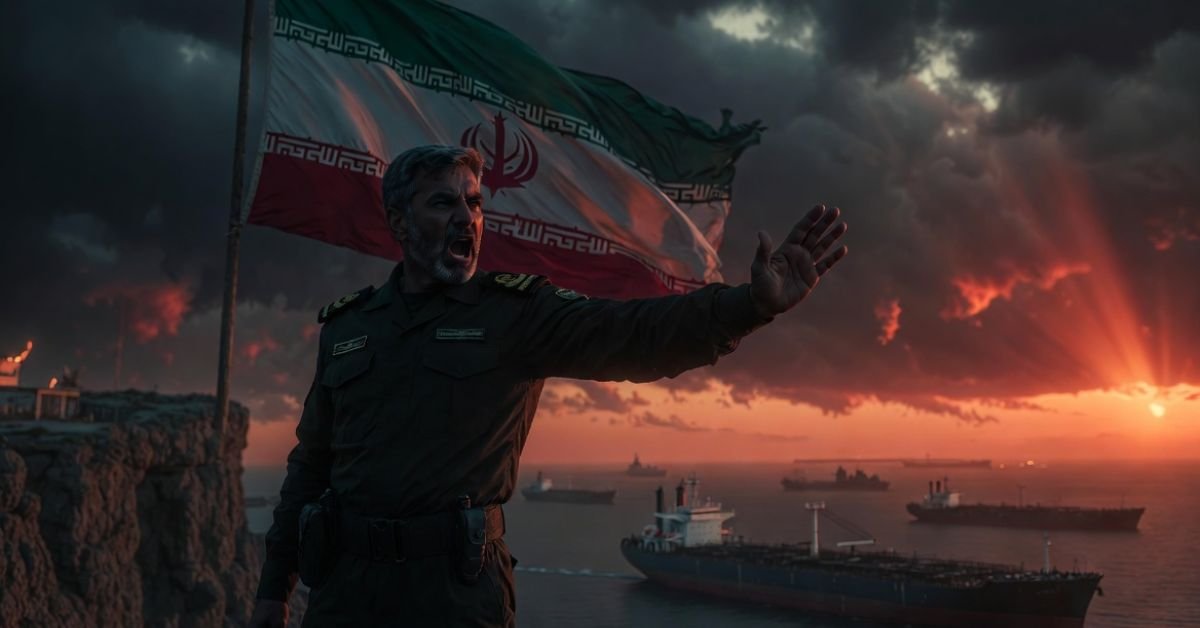
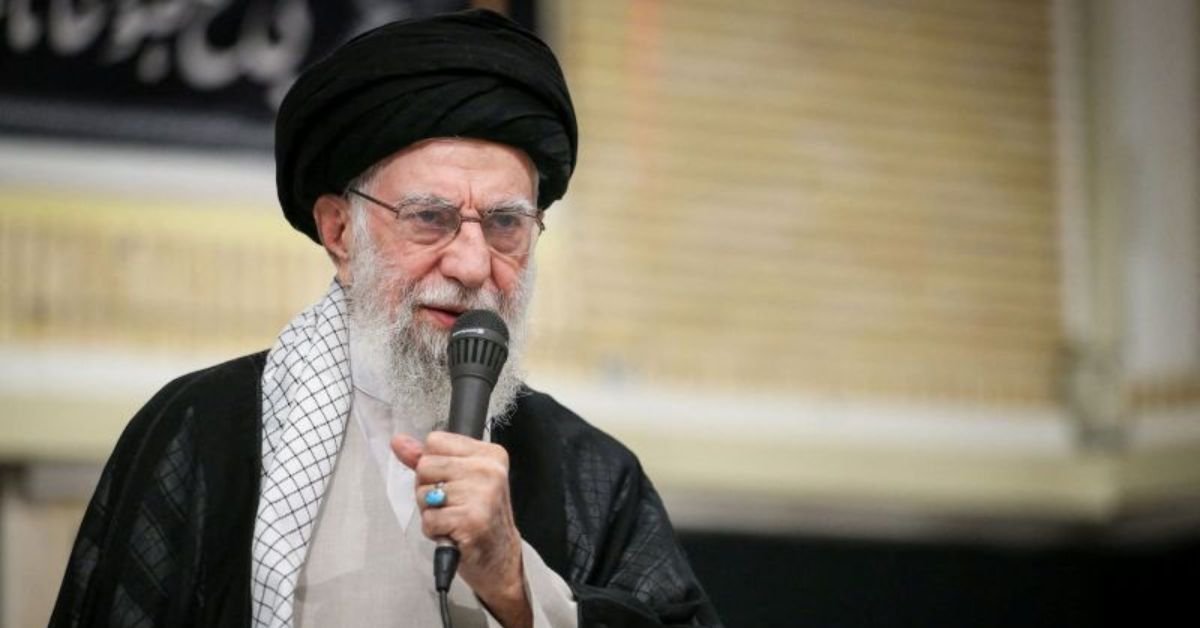
Ayatollah Ali Khamenei, Iran’s Supreme Leader for over three decades, has been confirmed dead following a targeted airstrike by US and Israeli forces on February 28, 2026.
As a writer for THOUSIF INCORPORATED, we have been tracking this story closely, especially since it hits close to home with India’s ties to the region.
Let us dive in.
Right off the bat, who was Ayatollah Ali Khamenei? His full name is Sayyid Ali Hosseini Khamenei, and his designation as Supreme Leader made him the top authority in Iran since 1989.
That role is not just a title; it gave him final say on everything from laws to the military.
Born in 1939 in Mashhad, Iran, he was a key player in the 1979 Islamic Revolution that overthrew the Shah.
Before becoming Supreme Leader, he served as Iran’s president from 1981 to 1989.
Khamenei was known for his strong anti-Western views, pushing phrases like “Death to America” and supporting groups in other countries that fought against Israel and the US.
At home, he enforced strict rules based on Islamic law, leading to widespread protests over issues such as economic problems and personal freedoms.
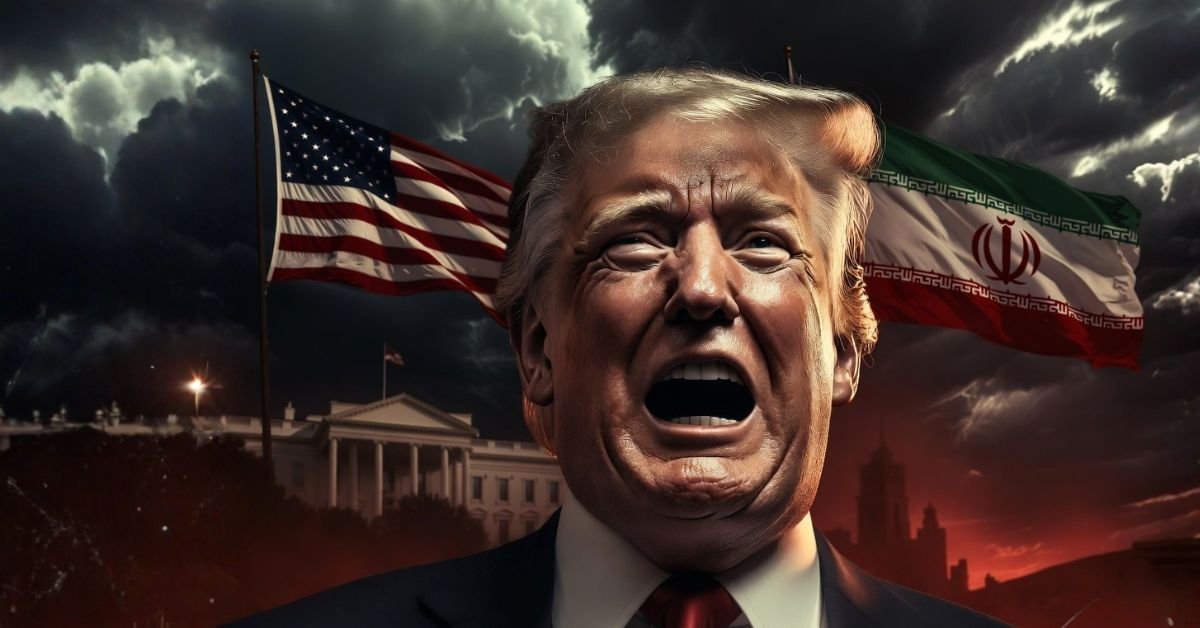
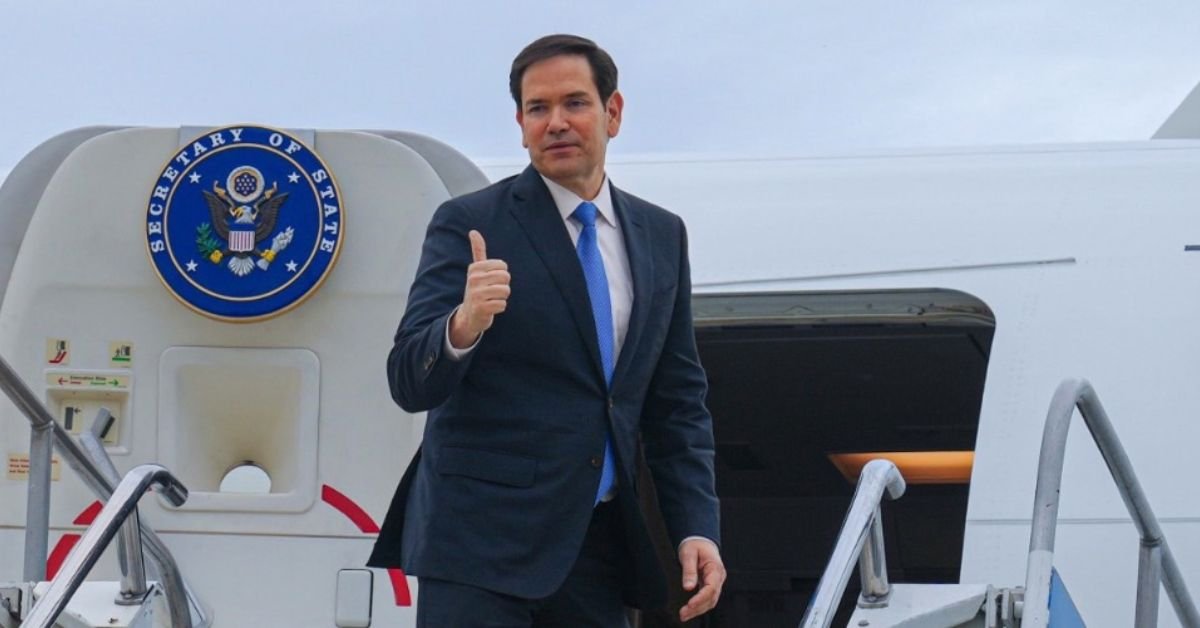
The news broke on February 28 when US President Donald Trump announced on his social media that Khamenei had been killed in what he called “Operation Epic Fury.”
Israeli officials backed this up, saying their strikes hit his compound in Tehran, and his body was found in the rubble.
At 86 years old, Khamenei’s death was not from natural causes; it was a direct hit amid growing tensions over Iran’s nuclear program and its role in regional conflicts.
Sadly, the strikes also took the lives of some of his family members, like his daughter and grandchild, and other top officials.
Reports say over 200 people died in total, including civilians from hits on places like a school, which has sparked a lot of debate about the human cost.
Inside Iran, the reaction was mixed but mostly explosive.
In cities like Tehran and Isfahan, people poured into the streets celebrating, waving flags from before the revolution and even knocking down statues of revolutionary icons.
It is like a weight lifted after years of tough times, think high inflation, job shortages, and crackdowns on dissent.
Videos show folks chanting for freedom and sharing emotional moments of relief.
However, not everyone was happy; some loyal to the regime mourned, and state media urged people to stay united against what they called “aggression.”
From our perspective in India, this is big.
We have strong energy links with Iran, including oil purchases and the development of the Chabahar Port for trade routes.
With thousands of Indians living and working there, our government is watching closely, pushing for peace to keep things stable.
The Prime Minister’s office has called for calm, emphasizing that any chaos could affect the whole region, including our neighborhood.
On the world stage, opinions are all over the place.
The US and Israel see it as a win against threats, with Trump saying the strikes will keep going until there is real change.
Other countries are not so sure.
Here is a simple table to break down some key reactions:
| Country/Leader | What They Said |
|---|---|
| US (Donald Trump) | Called Khamenei “one of the most evil people in history” and promised ongoing action for peace. |
| Israel (Benjamin Netanyahu) | Confirmed the strike as a “powerful surprise” to end the regime’s dangers. |
| Russia | Slammed it as unprovoked attack and offered support to Iran. |
| China | Worried about instability and called for everyone to respect borders. |
| India | Stressed the need for stability and following Iran’s own rules for picking a new leader. |
| UN (Antonio Guterres) | Urged a stop to fighting to avoid more harm and possible war crimes. |
| UK/France/Germany | Mixed – condemned Iran’s past actions but asked for quick de-escalation. |
This table shows how divided things are: some cheer it as justice, others fear it could spark bigger problems.
So, what is next for Iran? Their rules say an interim group takes over, the president, the head of the judiciary, and a council member, until a group of clerics chooses a new Supreme Leader called the Assembly of Experts.
Possible picks include Khamenei’s son, Mojtaba, a hardliner like his dad, or more moderate figures like Hassan Khomeini, the grandson of the revolution’s founder.
It could lead to more protests calling for change, or to the military stepping in more forcefully.
Experts think there is a chance of a “Persian Spring,” in which people rise for reforms, but it might also lead to short-term chaos.
Trivia: Did you know Ayatollah Khamenei was a poet and author? He wrote books on Islamic topics and even translated works from Arabic, but he also banned things like Western music in Iran, creating a strict cultural scene.
In wrapping up, the death of Ayatollah Ali Khamenei marks the end of a long chapter for Iran, full of uncertainty but also hope for some.
It could shift power dynamics in the Middle East and affect global issues like oil prices and security.
At THOUSIF INCORPORATED, we aim to bring you clear takes on stories like this.
If this sparked your interest, browse our other pieces on world news and regional impacts.
What are your thoughts on Iran’s future? Share below and stay tuned!
About Author