
Table Of Contents
Hey folks, welcome back to THOUSIF INCORPORATED, where we share down-to-earth advice to make your life a little greener and healthier.
As someone who has filled their own apartment with these leafy friends, I can tell you firsthand how transformative they are.
We are diving into improving indoor air quality with plants today, something that’s especially handy in lively cities like Bengaluru, where so much time is spent indoors.
You get it, indoor air can get bogged down with dust, chemicals from everyday cleaners, or even emissions from furniture.
That is where houseplants step in as natural filters.
They use a process called phytoremediation to absorb pollutants through their leaves and roots, either breaking them down or storing them safely.
Studies have shown that the right plants can reduce volatile organic compounds (VOCs) like formaldehyde, benzene, and xylene, which often cause headaches, allergies, or that sluggish vibe.
Not only do they clean the air, but they also increase humidity, ease stress, and promote better sleep.
Aim for one plant every 100 square feet to really feel the impact; your home will thank you.
Why Choose Air Purifying Plants?
Let us break it down.
We breathe in around 11,000 liters of air each day, and indoor spaces can be up to 5 times more polluted than outdoor spaces because toxins can get trapped inside.
Plants tackle this by taking in carbon dioxide and releasing oxygen, while soil microbes handle excess pollutants.
They are budget-friendly alternatives to electric air purifiers, no plugs required!
If you are a newbie, opt for forgiving varieties.
Moreover, for homes with pets or little ones, I will flag the safe choices.
I have curated a list of the top 12 air-purifying plants, drawing from proven favorites that suit various light conditions and care levels.
These are versatile picks for beginners and pros alike.
1. Spider Plant (Chlorophytum Comosum)
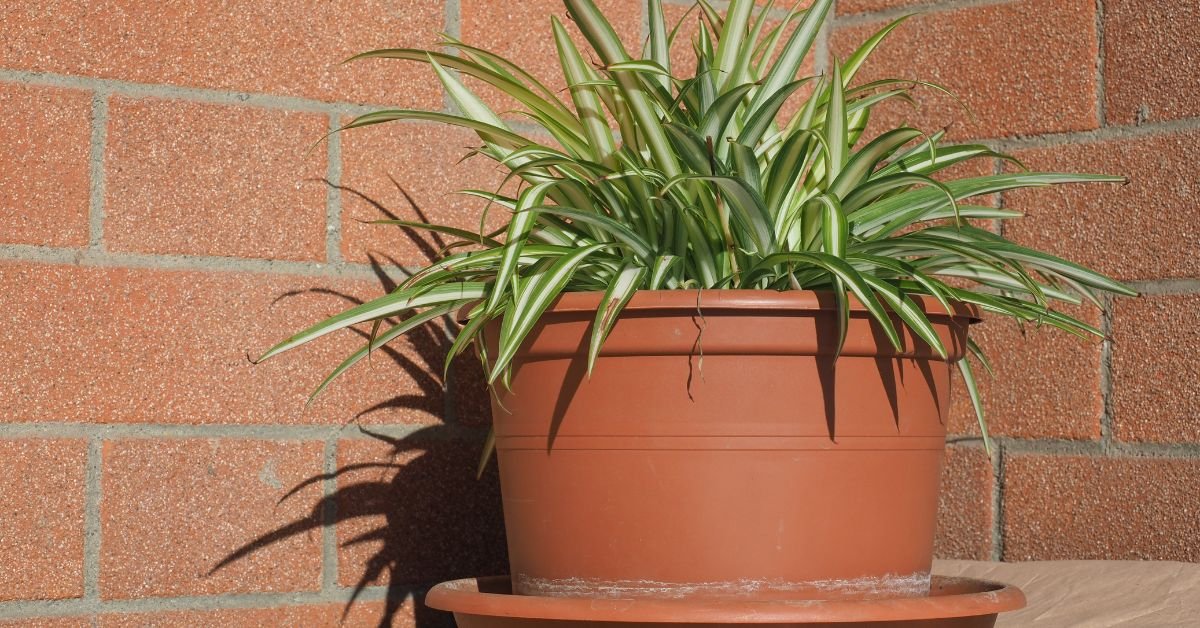
A timeless favorite, the spider plant features long, striped leaves that cascade gracefully, producing cute “spiderettes” for easy propagation.
It is excellent at filtering formaldehyde and xylene, making it ideal for freshening painted or renovated areas.
Super tough, it forgives the occasional missed watering.
It loves bright, indirect light but adapts to dimmer spots. Water every 1-2 weeks when the topsoil dries out.
Pet-safe, so it is great for homes with animals.
Mine thrive in the kitchen, making the space feel fresher and more inviting.
2. Snake Plant (Sansevieria Trifasciata)
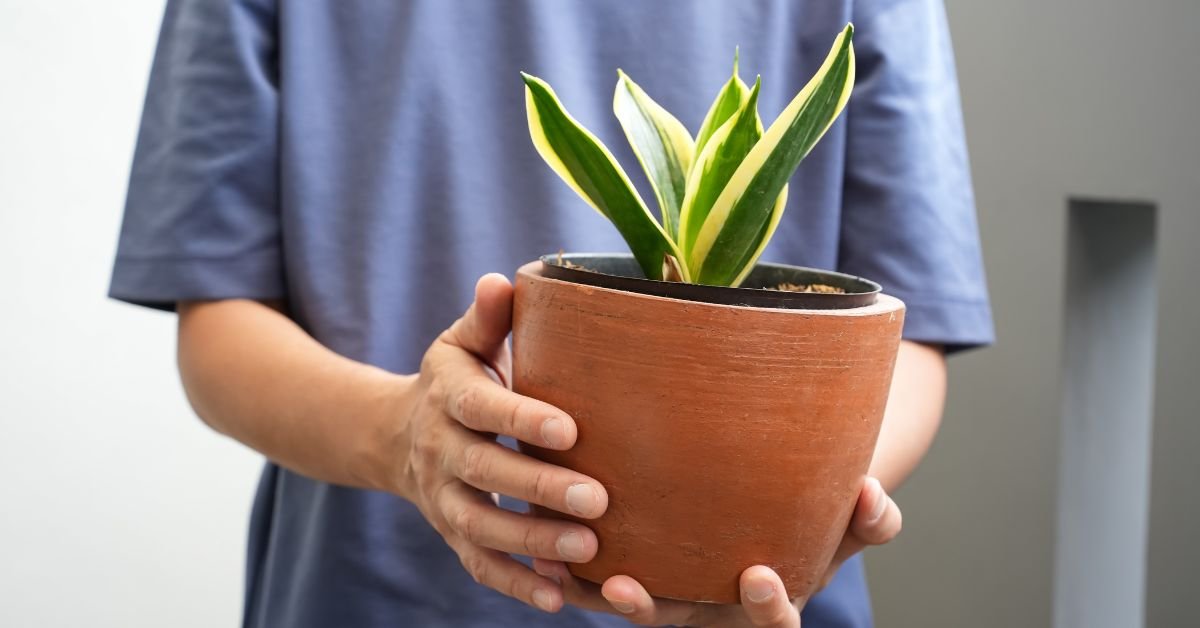
Known as mother-in-law’s tongue, this plant has tall, sword-shaped leaves that make it a nighttime hero.
It uses Crassulacean Acid Metabolism (CAM) to release oxygen at night, making it perfect for bedrooms to enhance sleep quality.
It removes benzene, formaldehyde, trichloroethylene, and xylene from cleaners and fabrics.
Low-maintenance champ: Handles low light, water every 3-4 weeks, letting soil dry fully.
Toxic to pets if ingested; keep it elevated.
Group them for a sleek, modern aesthetic that purifies effectively.
3. Peace Lily (Spathiphyllum Wallisii)
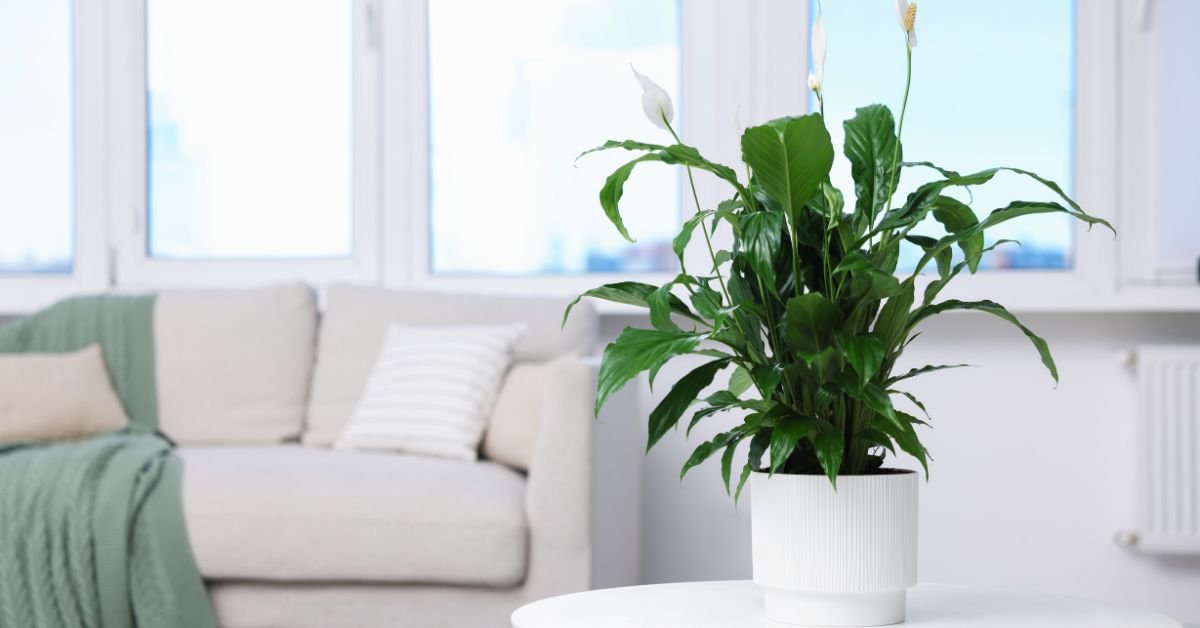
For a touch of sophistication, the peace lily’s dark green leaves and white blooms (technically spathes) create a serene vibe.
It excels at eliminating ammonia from cleaners, as well as benzene, formaldehyde, and trichloroethylene.
It also humidifies dry air, a plus in conditioned rooms.
Prefers low to medium indirect light and moist soil.
Water when leaves droop for a quick revival.
Mist in arid conditions.
Toxic to pets, so keep it high.
Bathrooms are ideal spots, where humidity helps it bloom.
4. Boston Fern (Nephrolepis Exaltata)
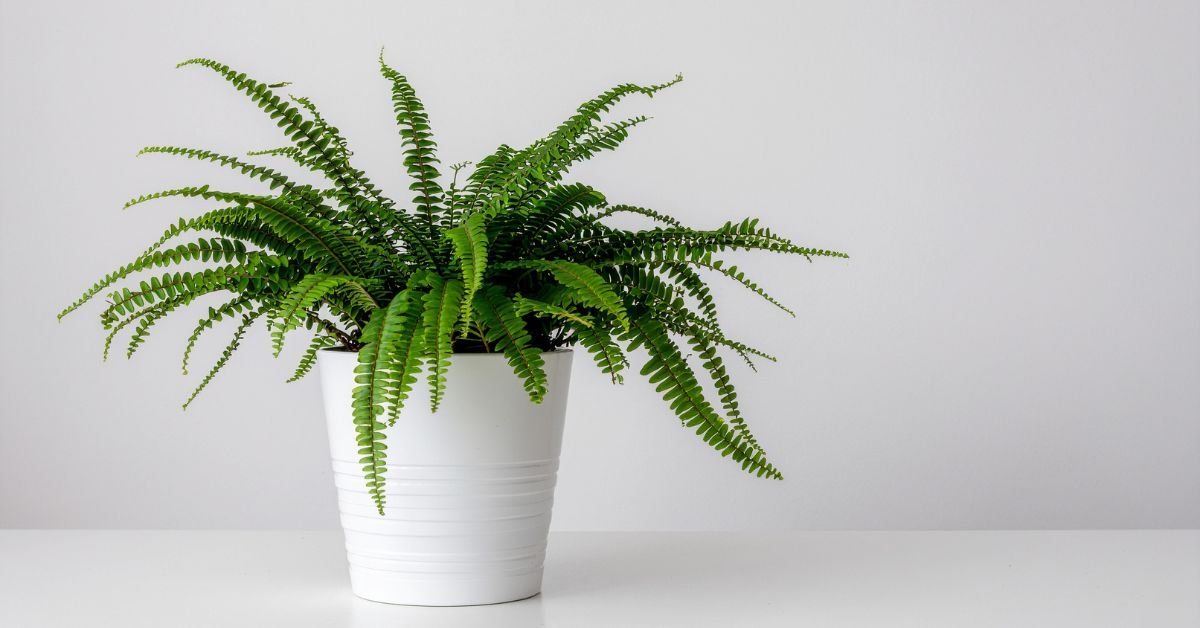
This fern’s lush, feathery fronds bring a wild, natural feel.
It is a top humidifier, releasing moisture while zapping formaldehyde and xylene, great for dry seasons that irritate skin and throats.
Needs bright indirect light and high humidity; mist daily or use a water-filled pebble tray.
Keep the soil evenly moist by watering every few days.
Pet-safe.
Hang it for a bohemian touch; it has turned my office into a refreshing haven.
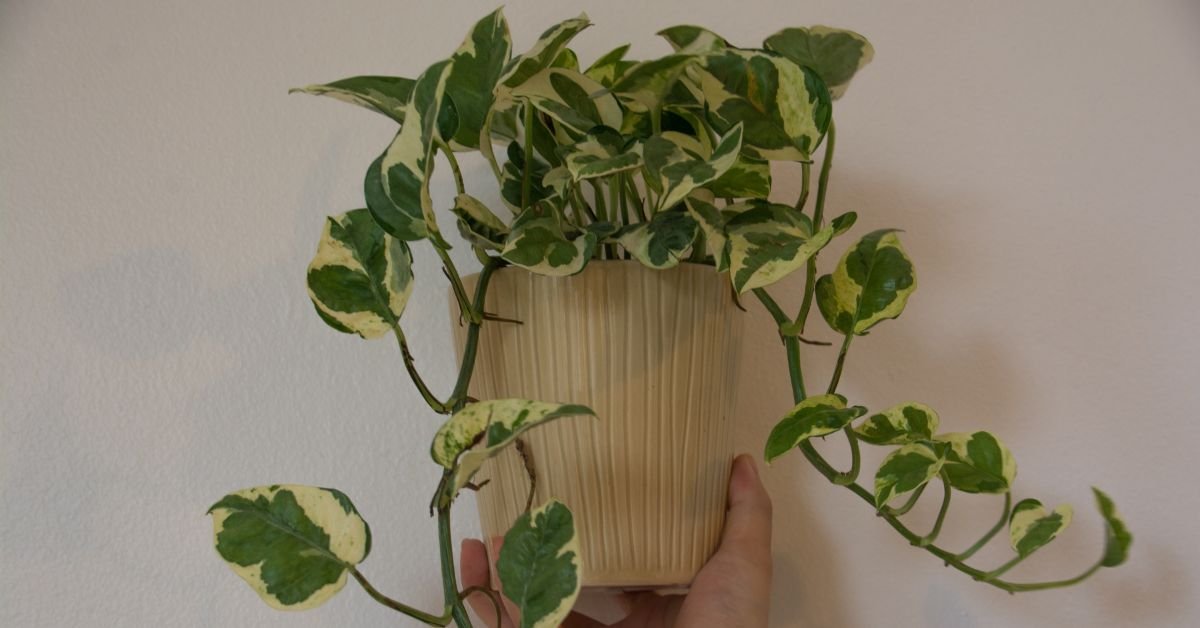
5. Pothos (Epipremnum Aureum)
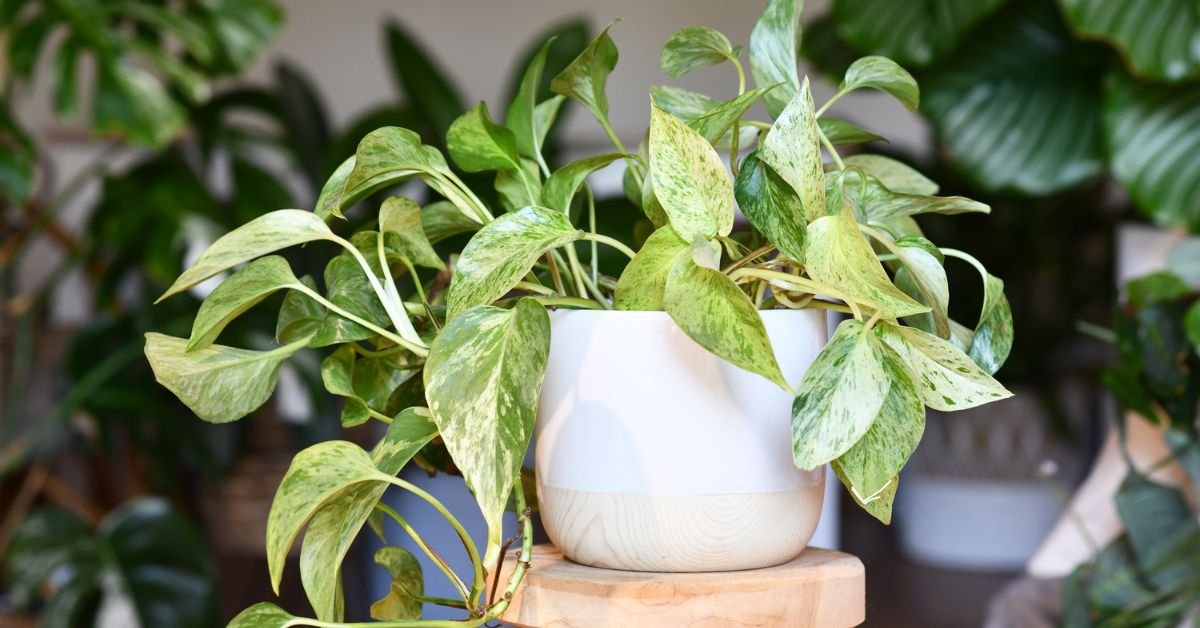
Called devil’s ivy for its resilience, this trailing vine with heart-shaped leaves grows fast and removes formaldehyde, benzene, and xylene.
Perfect for beginners, it adds a lush, cascading element to any room, like draping over a bookshelf or windowsill for an effortless green-curtain effect.
Adapts to low to bright indirect light; water every 1-2 weeks.
Root cuttings in water for more plants, it is like getting freebies!
Toxic to pets, hang it to keep curious paws away.
We have used it to soften harsh corners in my living room, and it really brightens the atmosphere while keeping the air clean.
6. Areca Palm (Dypsis Lutescens)
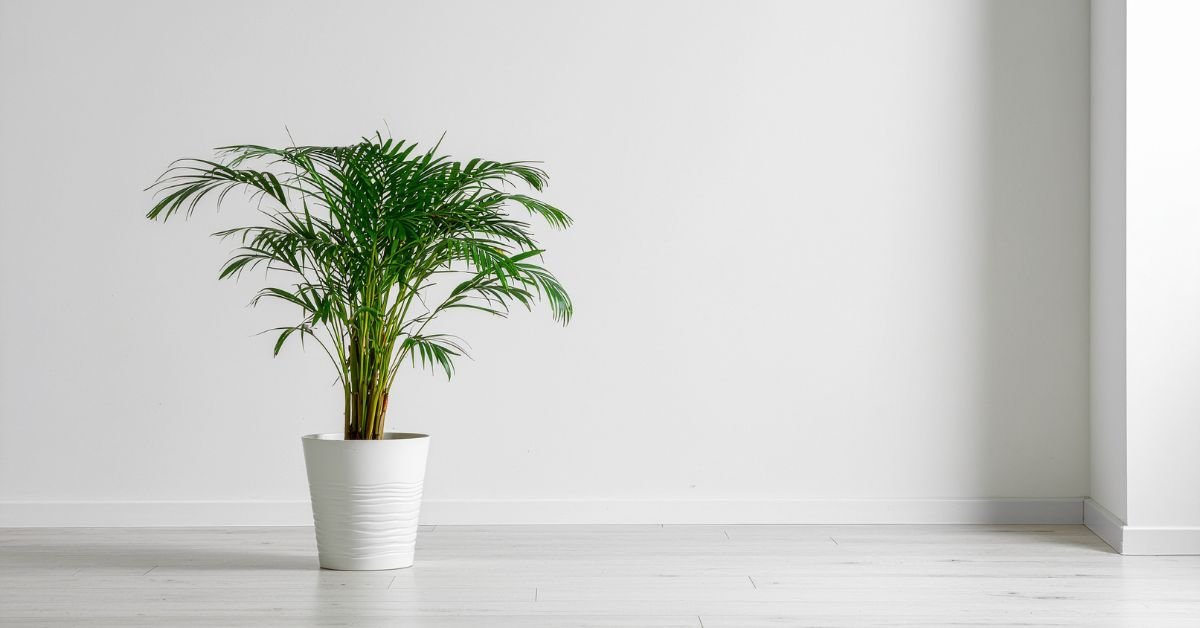
Evoke tropical vibes with this palm’s feathery fronds.
It filters formaldehyde, xylene, and toluene while humidifying, suited for drier climates.
Its tall, slender stems make it a great floor plant that can divide spaces naturally, bringing a small quantity of vacation feel indoors without much fuss.
Best in bright indirect light; maintain moist, well-drained soil.
Mist weekly to deter pests like spider mites.
Pet-safe, which is awesome for animal lovers.
A mature one makes a stunning living room focal point, and in our experience, it helps combat that stale office air in home workspaces.
7. Bamboo Palm (Chamaedorea Seifrizii)
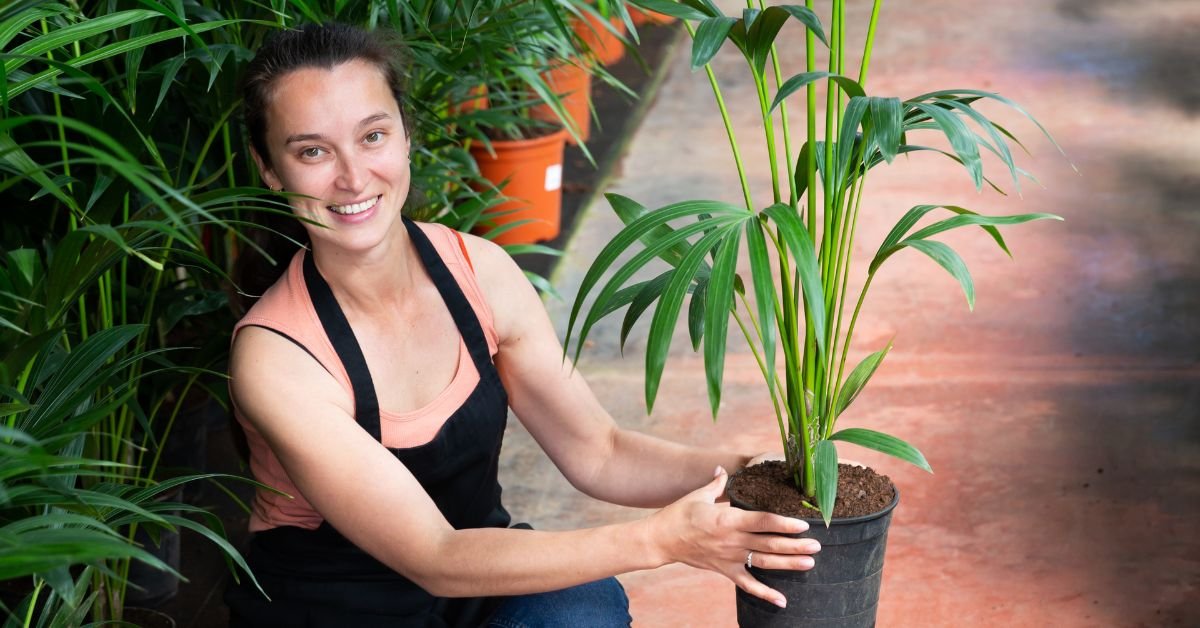
Tolerant of low light, this palm’s dense leaves remove benzene, formaldehyde, and trichloroethylene.
With its clustered stems and soft, arching fronds, it is like a mini bamboo forest that fits perfectly in corners or as a privacy screen, adding texture and height to your decor.
Low to bright indirect light; water weekly, keeping moist but not waterlogged to avoid root rot.
Pet-safe, making it family-friendly.
Ideal for hallways or bedrooms where light is limited, mine has thrived in a shaded spot, quietly working to freshen the air and create a calmer environment.
8. Rubber Plant (Ficus Elastica)

Its large, shiny leaves make a bold statement while absorbing formaldehyde.
This sturdy plant, with its thick, rubbery foliage, is a real eye-catcher, growing tall and adding a sculptural element that’s perfect for modern interiors or as a standalone feature in minimalist spaces.
Bright, indirect light; water when the topsoil dries out, about every 1-2 weeks.
Dust leaves regularly to keep them efficient at air cleaning.
Toxic to pets; keep it out of reach.
We have found it loves a spot near a window, where it not only purifies the air but also adds a glossy, vibrant pop to the room.
9. English Ivy (Hedera Helix)
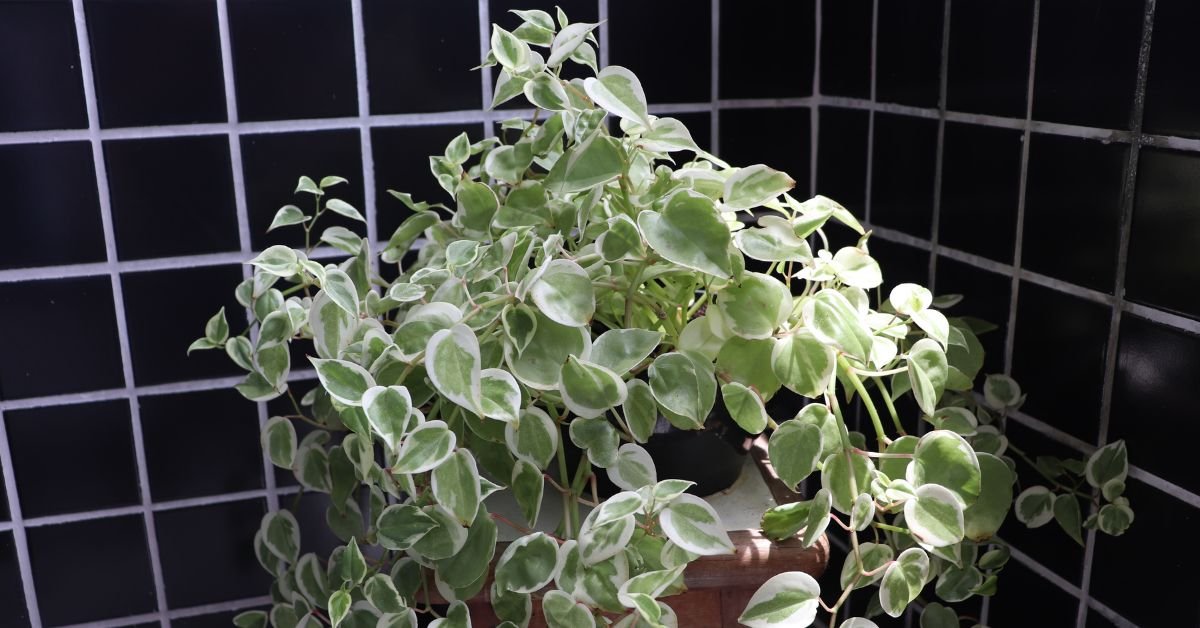
This climber reduces airborne mold and particles, especially useful in bathrooms.
Its trailing vines with small, lobed leaves can be trained up walls or around frames, creating a romantic, ivy-covered look that’s both functional and decorative for shelves or hanging planters.
Indirect light; moderate watering, letting the soil dry slightly between sessions.
Toxic to pets; use trellises to support growth and keep it contained.
It is great for humid areas, and in our bathroom, it has helped cut down on that musty smell while adding a touch of greenery to the tiles.
10. Aloe Vera
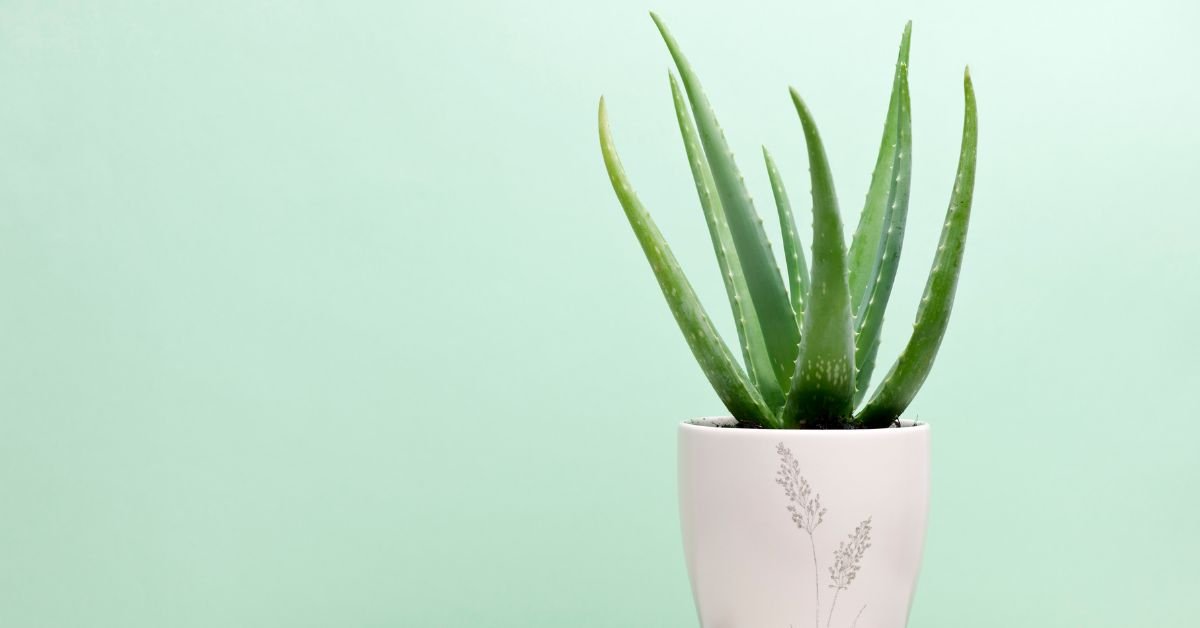
More than a skin soother, it clears formaldehyde and benzene.
This succulent’s fleshy, spiky leaves store water, making it drought-tolerant and a handy first-aid plant for burns, all while sitting pretty on a sunny windowsill or desk.
Bright light; water sparingly, every 2-3 weeks when the soil is fully dry.
Mostly pet-safe in small amounts, but monitor if ingested.
It is low-effort and versatile; we keep one in our bedroom for its air-cleaning perks and that occasional aloe gel for skincare routines.
11. Heartleaf Philodendron (Philodendron Hederaceum)
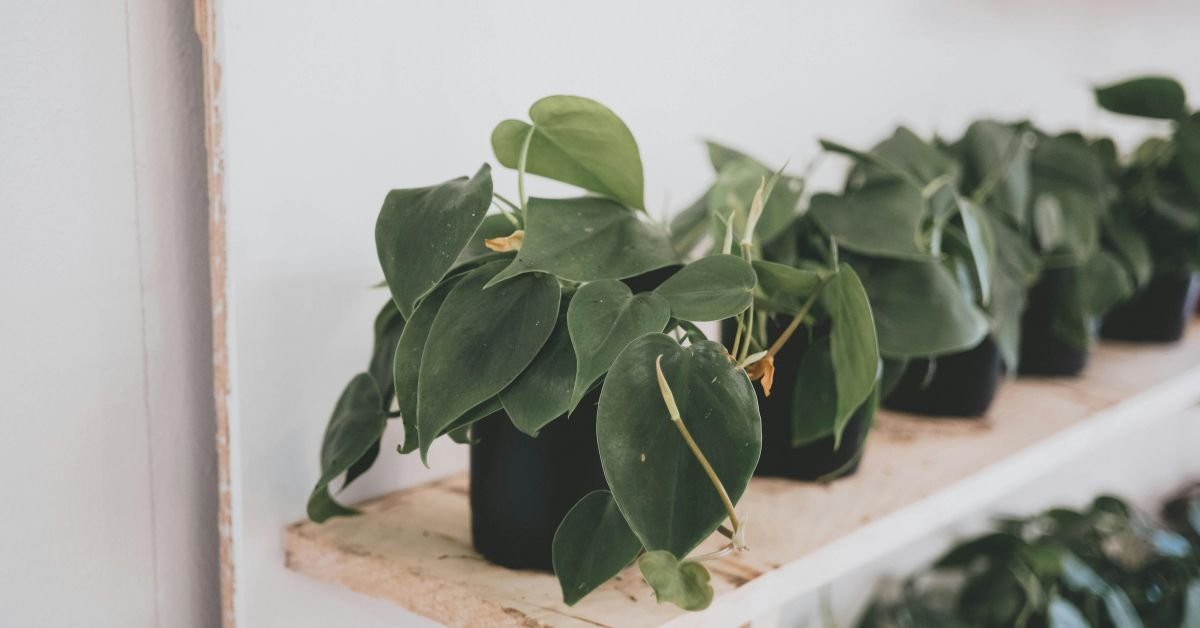
A prolific trailer that filters formaldehyde.
With its heart-shaped, glossy leaves on long vines, it is an easy grower that can climb or hang, filling empty spaces with lush foliage and giving rooms a cozy, jungle-inspired feel.
Low light; water weekly, keeping soil slightly moist.
Toxic to pets; keep it elevated or train it high.
Adaptable and forgiving, it is one of our favorites for dim apartments, where it thrives and helps maintain a flow of fresh air without demanding much attention.
12. Warneckei Dracaena (Dracaena Deremensis ‘Warneckei’)
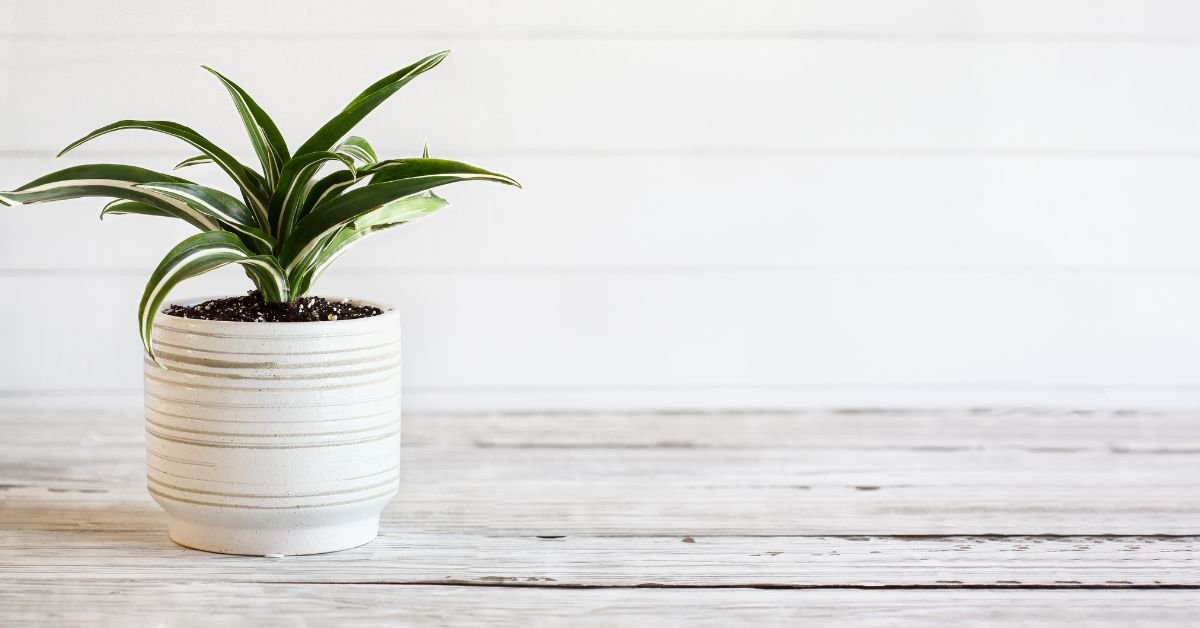
Striped leaves add flair while removing xylene and formaldehyde.
This upright plant with its variegated, sword-like foliage brings color and height, making it ideal for narrow spots or as a backdrop to other plants in a grouped display.
Indirect light; moderate watering, every 1-2 weeks when the topsoil dries.
Toxic to pets, keep out of reach.
It is resilient against drafts, and we have placed one in our entryway to welcome guests with cleaner air and a splash of pattern.
Quick Comparison
Here is a table to compare key features at a glance, pick based on your setup.
| Plant Name | Light Needs | Watering Frequency | Main Toxins Removed | Pet-Safe? |
|---|---|---|---|---|
| Spider Plant | Bright indirect | Every 1-2 weeks | Formaldehyde, xylene | Yes |
| Snake Plant | Low to medium | Every 3-4 weeks | Benzene, formaldehyde | No |
| Peace Lily | Low to medium | Weekly (keep moist) | Ammonia, benzene | No |
| Boston Fern | Bright indirect | Every few days | Formaldehyde, xylene | Yes |
| Pothos | Low to bright | Every 1-2 weeks | Formaldehyde, benzene | No |
| Areca Palm | Bright indirect | Keep moist | Formaldehyde, xylene | Yes |
| Bamboo Palm | Low to bright | Weekly | Benzene, formaldehyde | Yes |
| Rubber Plant | Bright indirect | When top dry | Formaldehyde | No |
| English Ivy | Indirect | Moderate | Mold, formaldehyde | No |
| Aloe Vera | Bright | Sparingly | Formaldehyde, benzene | Mostly |
| Heartleaf Philodendron | Low | Weekly | Formaldehyde | No |
| Warneckei Dracaena | Indirect | Moderate | Xylene, formaldehyde | No |
Trivia
Did you know? NASA’s Clean Air Study found that houseplants like these can remove up to 87% of indoor air toxins in just 24 hours. That is a natural detox system that’s both effective and eco-friendly!
Wrapping things up, adding these plants is not just about cleaner air, it is about crafting a lively, feel-good environment.
Begin with a couple that fit your routine, and enjoy the benefits.
At THOUSIF INCORPORATED, we focus on straightforward tips for better living.
Explore our other articles on sustainable home ideas.
Share your go-to plant in the comments.
We would love your thoughts. Stay fresh!
About Author