
Table Of Contents
This sustainable practice improves plant health, reduces waste, and offers a simple, cost-free solution for thriving vegetables and flowers everywhere.
Many gardeners are repurposing everyday kitchen waste to enhance their soil and protect their crops.
Eggshells have become a focal point in this movement, offering a practical, environmentally responsible way to support plant growth without the use of commercial fertilizers.
This approach aligns with the growing interest in sustainable gardening, in which simple household items replace expensive inputs.
The trend emphasizes resourcefulness, helping both novice and experienced gardeners achieve better results in various settings, from urban balconies to expansive backyard plots.
The Growing Popularity Of Eggshells In Gardening
As awareness of environmental issues increases, gardeners are seeking ways to minimize their contributions to landfills.
Eggshells, composed primarily of calcium carbonate, break down naturally and supply essential nutrients that many plants require.
With garden supply costs continuing to rise, this method provides an accessible alternative that promotes both plant vitality and ecological balance.
The practice is versatile, suitable for container gardening, raised beds, and traditional soil plots alike.
Its effectiveness has drawn attention across regions with diverse climates, proving particularly useful in areas with common soil deficiencies.
Key Advantages Of Incorporating Eggshells
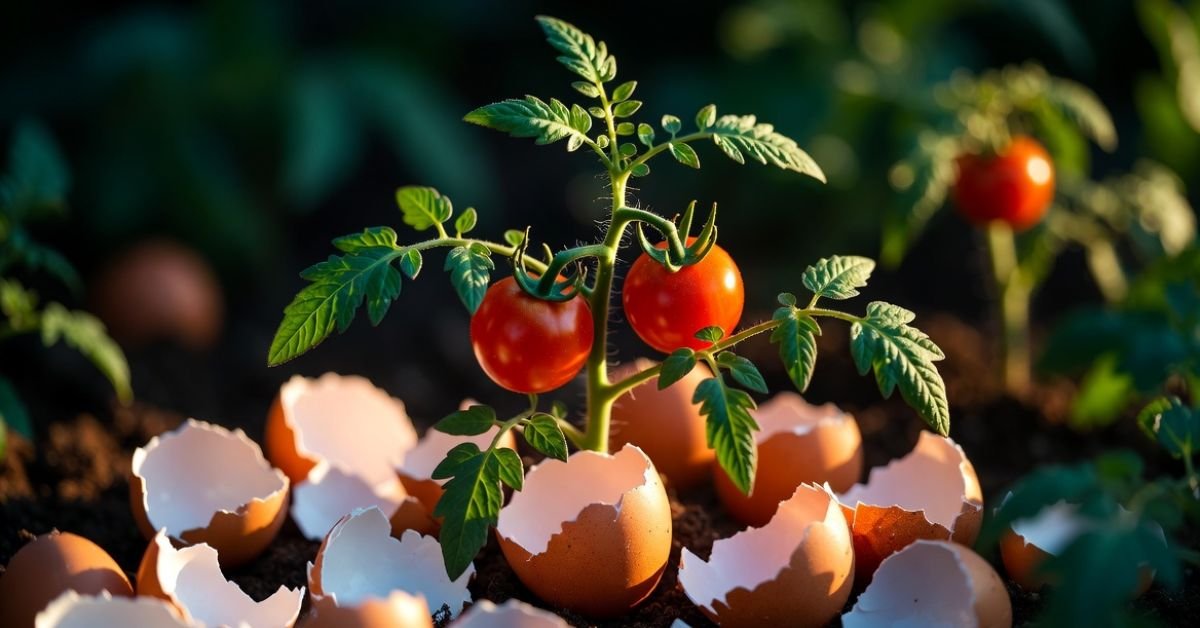
Eggshells consist of approximately 95 percent calcium carbonate, a compound that effectively addresses specific plant needs.
The following table outlines the primary benefits and their applications:
| Benefit | Mechanism | Recommended |
|---|---|---|
| Calcium supplementation | Prevents blossom end rot and strengthens cell walls | Tomatoes, peppers, zucchini, eggplant |
| Natural pest deterrent | Sharp fragments create a physical barrier against slugs and snails | Lettuce, basil, hostas, leafy greens |
| Soil structure improvement | Enhances drainage and aeration in compacted soils | Container plants and clay-based beds |
| pH adjustment support | Gradually moderates soil acidity | Broccoli, beans, and most vegetable crops |
| Compost enrichment | Introduces minerals to accelerate decomposition | All compost piles and worm bins |
These advantages contribute to more resilient plants, with nutrients released gradually to avoid the risks of over-fertilization associated with synthetic products.
Proper Preparation And Application Methods
Effective use begins with basic preparation steps:
- Rinse shells immediately after use to eliminate residue.
- Allow them to dry thoroughly, either at room temperature or in a low-temperature oven for approximately 10 minutes.
- Crush to the desired consistency, larger pieces for barriers or finer powder for soil integration.
Common application techniques include:
- Spreading crushed shells as a ring around plant bases for protection.
- Incorporating them directly into potting mixes or compost at a rate of one handful per plant.
- Creating an infusion by steeping crushed shells in water for several days, then using the liquid as a nutrient-rich supplement.
Practical Guidance For Optimal Results
Gardeners are advised to begin with a small-scale trial, such as applying the method to select tomato plants, to observe outcomes before broader implementation.
Collecting shells throughout the week in a dedicated container ensures a steady supply.
Certain plants, including blueberries and azaleas, benefit less from this addition because they prefer acidic conditions; shells are best reserved for neutral- or alkaline-loving varieties.
To provide additional seedling protection against cutworms, placing larger shell fragments at the soil surface during transplanting has proven effective in warmer climates.
Once properly rinsed and dried, shells pose no hygiene concerns for outdoor application.
Historical Insight
A single eggshell provides about two grams of calcium, sufficient to sustain a young tomato plant for an entire season.
Historical records indicate that Roman gardeners incorporated eggshells into soil mixtures centuries ago to maintain crop productivity, demonstrating the longevity of this technique.
In summary, integrating eggshells into gardening practices is a straightforward, effective strategy to enhance plant health while supporting sustainability goals.
This method continues to gain recognition for its practicality and proven results.
Readers seeking additional insights into eco-friendly gardening techniques are encouraged to explore related topics for further guidance.
About Author