
Table Of Contents
If you have ever woken up gasping for air or felt exhausted despite a full night in bed, you are not alone.
Millions deal with obstructive sleep apnea every day, and the usual fix, a noisy mask machine, does not work for everyone.
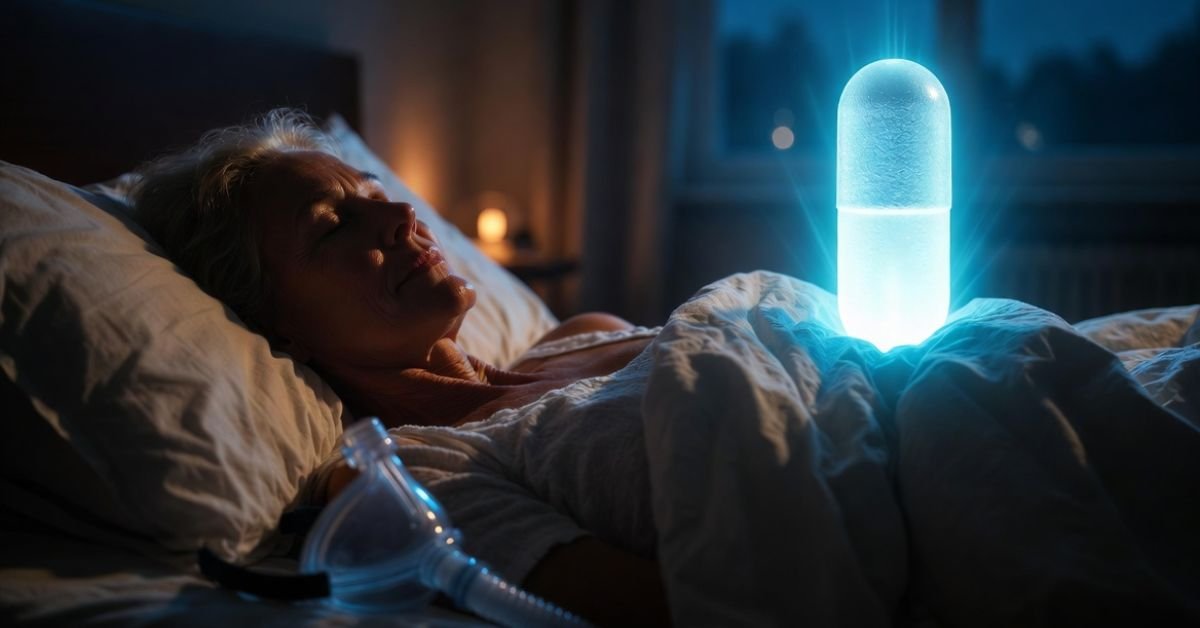
However, here is some genuinely hopeful news making waves right now: an epilepsy drug called sulthiame is stepping up as a potential new sleep apnea drug that could change lives with nothing more than a nightly pill.
Understanding Sleep Apnea: Why It Matters More Than You Think
Sleep apnea happens when your throat muscles relax too much during the night, blocking airflow and causing repeated breathing pauses, sometimes dozens per hour.
These interruptions drop oxygen levels, jolt you out of deep sleep, and leave you foggy, irritable, and at higher risk for heart problems, high blood pressure, and even accidents during the day.
It is more common than most people realize, affecting adults of all ages and sizes, though extra weight and certain anatomy can raise the odds.
Until recently, the gold standard treatment has been CPAP (continuous positive airway pressure), which keeps your airway open with a steady stream of air.
It works brilliantly for those who stick with it, but let us be honest: up to half of users give up within the first year because the mask feels uncomfortable or disrupts sleep even more.
The Surprising Role Of An Epilepsy Drug In Sleep Health
That is where sulthiame comes in.
This medication, already used in several countries for certain types of childhood epilepsy, is now showing real promise as an epilepsy drug for sleep apnea.
Researchers tested it in a carefully designed study involving nearly 300 adults with moderate-to-severe cases.
The results? People taking the higher doses saw their breathing interruptions drop by 47-50% compared to those on placebo.
It is not magic, it is smart science. Sulthiame helps stabilize the brain’s control over breathing and strengthens the muscles that keep your upper airway open.
Think of it as giving your body’s natural breathing system a gentle boost so collapses happen less often.
How This Sleep Apnea Drug Actually Works
Unlike CPAP, which physically pushes air in, sulthiame works from the inside out.
Taken once a day about an hour before bed, it acts as a carbonic anhydrase inhibitor, a fancy way of saying it fine-tunes the chemical signals that control how fast and deep you breathe.
The result is steadier breathing, better overnight oxygen saturation, and noticeably less daytime sleepiness for many participants.
What The Latest Clinical Trial Revealed
In this international phase 2 trial across multiple European centers, volunteers received either 100 mg, 200 mg, or 300 mg of sulthiame or a dummy pill.
The higher doses stood out:
- Breathing pauses fell by roughly 30 to 50 percent.
- Oxygen levels during sleep improved.
- People reported feeling more alert and refreshed the next day.
Side effects were mostly mild and faded quickly, such as a slight tingling sensation, and researchers noted that 200 mg struck a balance between benefits and comfort.
Here is a simple breakdown for easy reference:
| Daily Dose of Sulthiame | Reduction in Breathing Interruptions | Other Benefits Noted |
|---|---|---|
| 100 mg | Moderate (around 20-30%) | Some oxygen improvement |
| 200 mg | Up to 40-50% | Better alertness, fewer pauses |
| 300 mg | Similar to 200 mg (strong results) | Steady oxygen levels |
| Placebo | No meaningful change | None |
These numbers come straight from the trial data and paint a clear picture: this could be a game-changer for folks who dread the mask.
Comparing Treatment Options
To help you see the big picture, here is how sulthiame stacks up against what is already out there:
- CPAP machines: Super effective when used consistently, but many people find them bulky or noisy.
- Sulthiame (the new epilepsy drug option): Easy pill, no equipment, works on the root of breathing control, still being studied for long-term safety.
- Lifestyle changes: Weight loss or side sleeping help some, but not everyone.
- Other new pills: Weight-loss medications like certain diabetes drugs help obese patients, but sulthiame targets the airway directly regardless of weight.
The beauty of this approach to sleep apnea drugs is its simplicity. No cords, no cleaning routines, just one tablet before lights out.
Who Might Benefit Most, And What Comes Next
If you have tried CPAP and given up, or if you want a medication-based option, sulthiame could be worth watching closely.
Larger, longer studies are already underway to confirm that the benefits last and to assess safety in larger groups.
Doctors emphasize that it will not replace all treatments overnight, but it opens a whole new door to personalized care.
Trivia
Sulthiame was first created back in the 1950s to help control seizures in children with epilepsy. However, here we are decades later, discovering it might also quiet the nighttime breathing struggles that affect millions worldwide. Science has a wonderful way of repurposing old tools for brand-new jobs!
In the end, breakthroughs like this remind us that better sleep does not have to mean complicated gadgets or endless frustration.
Whether you are dealing with sleep apnea yourself or supporting someone who is, staying informed can make all the difference.
About Author