
Table Of Contents
It is March 2026, and the dust is still settling from the U.S. Department of Justice’s January 30 drop of about 3.5 million pages of emails, photos, and records.
These documents peel back the curtain on Jeffrey Epstein‘s shadowy world, a convicted sex offender who hobnobbed with the elite.
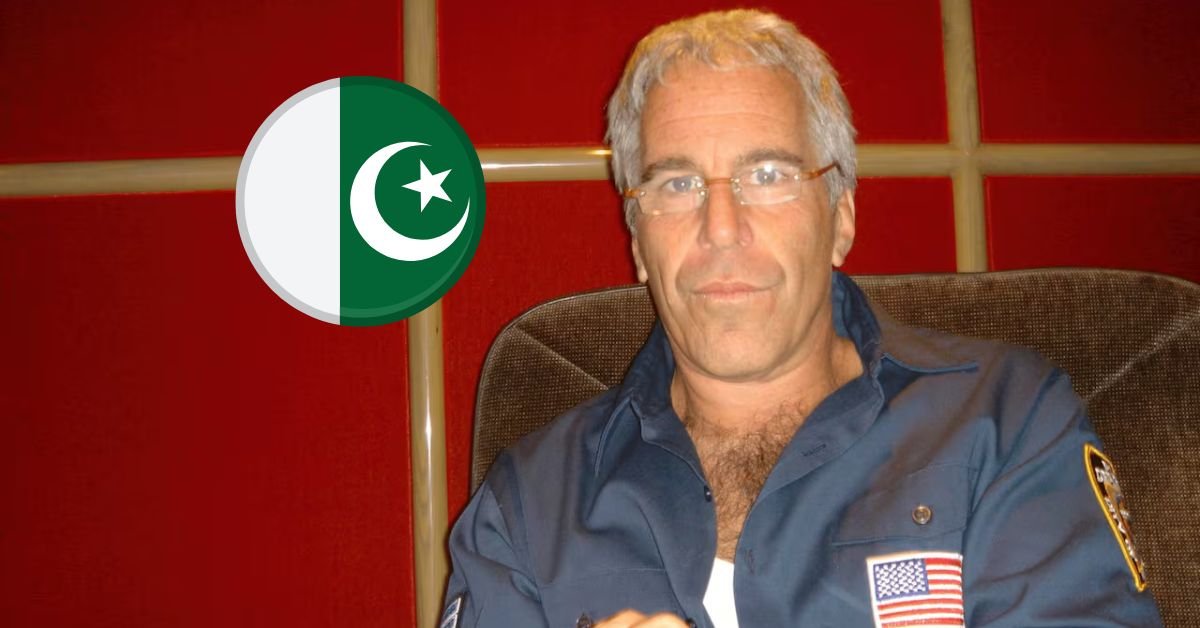
What stands out to me, especially from a South Asian perspective, is Pakistan’s appearance 893 times, right alongside heavy hitters like Turkey (over 2,200 mentions) and Saudi Arabia (over 1,500).
These are not random; they tie into health crises, secret diplomacy, and business dealings that blur lines between aid and espionage.
Let us unpack this professionally and straightforwardly, without the hype, to see what it means for global transparency.
The Epstein Files: A Quick Overview
Jeffrey Epstein, the financier who died in 2019 amid sex trafficking charges, left behind a trove that exposes his network of influencers, from billionaires to diplomats.
Released under the Epstein Files Transparency Act of November 2025, these 3.5 million pages (including videos and images) reveal that Epstein meddled in global affairs far beyond his crimes.
Muslim-majority countries feature prominently, often in contexts like regional politics and humanitarian efforts.
Pakistan’s 893 mentions are not about direct criminal links but rather highlight how Epstein’s circle intersected with sensitive issues such as border security and international aid.
It is a reminder that power networks operate in the shadows, affecting countries like ours in unexpected ways.
Polio Programs: Aid Or Intelligence Front?
Hundreds of those mentions center on polio eradication in Pakistan, particularly in the former Federally Administered Tribal Areas (now Khyber Pakhtunkhwa) near the Afghan border.
Epstein styled himself as a philanthropist, boasting in videos about aiding efforts in Pakistan and India to “offset” his scandals.
Emails from 2013 to 2015, routed through Norwegian diplomat Terje Rod-Larsen and the International Peace Institute, blend vaccination updates with deeper insights.
These reports go beyond health stats; they include details on militant groups, like the Taliban’s leadership shift after Mullah Omar’s 2015 death, the Haqqani network’s influence, and positions of Pakistan’s Inter-Services Intelligence.
One even mentions NATO operations at Zhob Airport in Balochistan.
This echoes the 2011 CIA fake vaccination drive in Abbottabad that led to the Osama bin Laden raid, which eroded trust and sparked violence against real vaccinators.
Epstein facilitated access for organizations such as the Bill & Melinda Gates Foundation to Taliban contacts in exchange for confidential military intelligence.
Places like Peshawar are described in emails as the “jihad capital of the world” during pre-election unrest, with notes on fake enrollments in Sindh under past leaders to inflate funding figures.
For a clearer view, here is a breakdown of key elements in these polio-related documents:
| Aspect | Files | Implications |
|---|---|---|
| Health Data | Vaccination drives in FATA, inflated stats in Sindh | Highlights possible corruption in aid distribution |
| Security Insights | Taliban succession, Haqqani roles, ISI stances | Suggests blending of humanitarian and intelligence work |
| Global Connections | Epstein as “gatekeeper” for Gates Foundation | Shows how elites use crises for leverage and info exchange |
This table illustrates the overlap, making it easier to see why these programs raised red flags. With polio nearly eradicated globally but lingering in Pakistan and Afghanistan, these revelations could impact ongoing efforts.
Leaked Diplomacy And Regional Tensions
Pakistan also surfaces in confidential diplomatic exchanges that landed in Epstein’s inbox.
A standout 2015 email, forwarded by UN advisor Nasra Hassan (of Pakistani origin) via Rod-Larsen, outlines a “confidential” Saudi-Pakistan deal during the Yemen conflict.
It claims Saudi King Salman requested elite Pakistani troops, the Special Services Group, or “Black Storks”, and JF-17 fighter jets for border deployment.
This mirrors historical pressures on Pakistan but underscores how such sensitive info reached an outsider like Epstein.
Political figures get nods, too.
Epstein expressed strong dislike for Imran Khan’s 2018 election win in private messages, calling him “really bad news” and a “greater threat to peace” than leaders like Erdogan, Xi, or Putin.
Earlier in 2013, emails praised Khan as a “London society lion” with elite ties, suggesting he could aid health diplomacy with then-Prime Minister Nawaz Sharif.
Former Foreign Minister Shah Mahmood Qureshi also appears contextually.
No criminal allegations tied to these names, just glimpses of influence peddling.
Broader discussions cover the Indus Water Treaty disputes with India, Afghanistan’s stability, Pakistan’s nuclear capabilities, and even cyber operations targeting Indian interests, hinting at Epstein’s alleged Israeli intelligence links.
Elite Business Links And Controversial Artifacts
Ties to UAE-based executives with Pakistani investments add another layer.
Sultan Ahmed bin Sulayem, former CEO of DP World, which handles Karachi Port and Port Qasim, exchanged thousands of emails with Epstein over a decade.
These mix Islamic philosophy and Quran interpretations with explicit content, including references to a shared “torture video.”
Bin Sulayem resigned on February 13, 2026, amid the fallout, with his name appearing over 4,700 times in the files.
A particularly shocking element: The 2017 shipment of Kiswa pieces, the sacred Kaaba covering from Mecca, coordinated by UAE businesswoman Aziza al-Ahmadi.
Sent via British Airways freight to Epstein’s Florida home and labeled “artwork,” emails describe its holiness, noting it has been touched by millions of Muslims carrying prayers and tears.
A photo in the files shows Epstein and bin Sulayem examining a similar piece on the floor of Epstein’s Manhattan townhouse, sparking debates over desecration, leverage, or occult motives, especially given claims of Epstein’s Mossad training.
DP World’s global shipping dominance (10% of world trade, including Pakistan’s ports) led to real consequences: Canadian pension funds froze investments, and UK politicians demanded contract reviews.
However, no similar scrutiny emerged in Pakistan.
The Silence in Pakistan And Global Fallout
While the world reacts, Prince Andrew was arrested in February 2026, European resignations, and ongoing probes, Pakistan remains quiet.
No politicians or officials have demanded access to the files, despite only half (3.5 million out of potentially 6 million pages) being released.
This contrasts with U.S. congressional pressure for full disclosure.
Imran Khan’s loose social ties to Ghislaine Maxwell, Epstein’s associate, are now under review, but again, nothing incriminating.
From Bengaluru’s perspective, this highlights how South Asian geopolitics is often entangled in global elite games, affecting everything from aid to security.
Trivia Fact
Here is a twist: Epstein once claimed, in a resurfaced video, that his contributions helped eradicate polio in Pakistan and India, positioning them as a “moral counterweight” to his controversies. However, the files reveal his involvement leaned more toward intelligence gathering than pure philanthropy, a stark irony in his self-image.
Final Thoughts: Time For Accountability
Wrapping this up, the 893 mentions of Pakistan in the Epstein files are not just statistics; they illuminate how humanitarian efforts, diplomacy, and business can mask deeper power plays.
From polio intel to leaked war deals and sacred artifact scandals, it is a call for greater transparency in how global networks operate.
As we continue tracking these stories at THOUSIF INCORPORATED, it is clear that questioning these connections is key to understanding our world.
If this sparked your curiosity, head over to our website for more in-depth pieces on international affairs, health, and politics.
Share your thoughts in the comments.
We would love to hear from you. Stay informed, everyone!
About Author