Table Of Contents
James Ransone
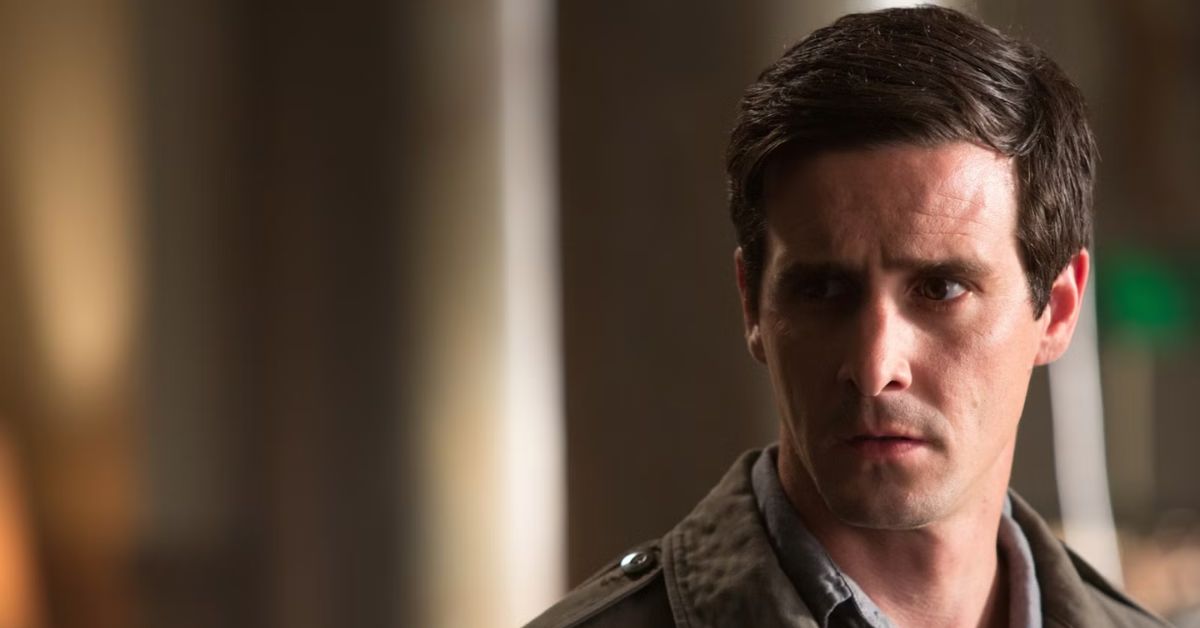
The entertainment industry is reeling from the unexpected passing of James Ransone, an actor whose raw talent and memorable performances left an indelible mark on screens big and small.
Known to many as the chaotic yet endearing Ziggy Sobotka from HBO’s acclaimed series The Wire, Ransone’s career spanned over two decades, blending intense drama with spine-tingling horror.
His death at the age of 46 has sparked an outpouring of tributes from colleagues, fans, and friends, reminding us of the fragility of life even amid stardom.
Ransone’s journey was not just about the roles he played; it was a story of resilience, creativity, and personal battles fought behind the scenes.
From his early days in Baltimore to his breakout in prestige TV and later horror hits like It Chapter 2 and The Black Phone, he embodied characters that felt real, flawed, and deeply human.
As we reflect on his life, we will explore his beginnings, key milestones, personal side, and the impact he had on those around him.
Early Life
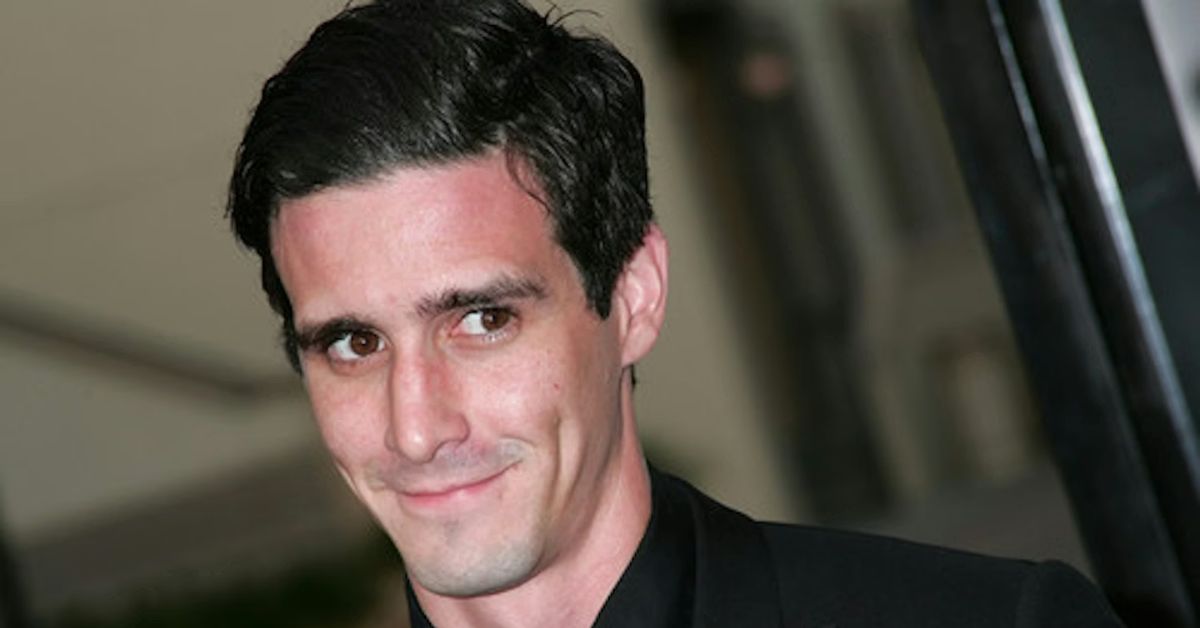
James Finley Ransone III entered the world on June 2, 1979, in Baltimore, Maryland, a city that would later become synonymous with one of his most iconic roles.
Born to Joyce Peterson and James Finley Ransone II, a Vietnam War veteran, young James grew up in an environment that blended everyday American life with the grit of urban challenges.
Baltimore’s vibrant yet challenging streets likely influenced his ability to portray complex, street-smart characters with authenticity.
From a young age, Ransone showed a flair for creativity.
He attended the George Washington Carver Centre for Arts and Technology in nearby Towson, Maryland, where he honed his skills in performing arts.
This specialised high school was a breeding ground for talent, emphasising hands-on training in theatre, music, and visual arts.
It was here that Ransone first discovered his passion for acting, participating in school plays and workshops that built his confidence on stage.
After high school, he ventured to New York City, enrolling at the School of Visual Arts in Manhattan.
Though he only stayed for one year, the experience exposed him to the bustling world of film and performance.
During this time, Ransone dabbled in music as well, playing bass in a New York City metal band called Early Man.
This musical side gig added another layer to his artistic persona, showing his versatility beyond acting. Interestingly, his band days reflected his rebellious spirit, traits that would shine through in roles like Ziggy Sobotka.
Ransone’s early life was not without hurdles.
Growing up in the 1980s and 1990s, he navigated the typical teenage struggles, but one traumatic event would haunt him for years: at age 13 in 1992, he was sexually abused by his math tutor.
He later spoke publicly about this in 2021 via Instagram, highlighting the long-term effects of such experiences.
This vulnerability would inform his advocacy for mental health awareness, a theme that resonates even more poignantly now.
As he transitioned from student to aspiring actor, Ransone moved to Los Angeles, pounding the pavement for auditions.
His big-city dreams were fueled by a determination to escape the ordinary and make a name for himself.
Little did he know that his Baltimore roots would come full circle in one of TV’s greatest shows.
Breaking Through
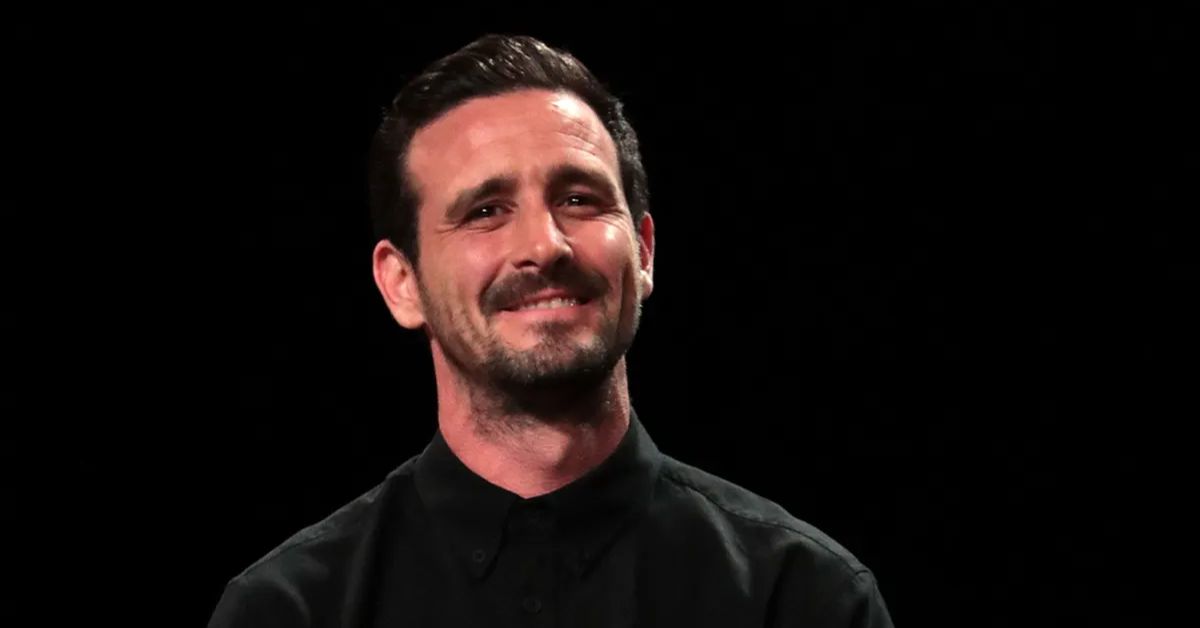
If there is one role that catapulted James Ransone into the spotlight, it is undoubtedly Chester “Ziggy” Sobotka in the second season of HBO’s The Wire.
Airing in 2003, the series, created by David Simon, delved into Baltimore’s underbelly, from drug wars to dockyard corruption.
Ransone’s portrayal of Ziggy, the hot-headed son of a union leader, was a masterclass in tragic comedy.
Ziggy’s antics, from flashing crowds to botched drug deals, made him a fan favourite, often searched as “ziggy the wire” or “ziggy sobotka.”
Ransone landed the role after impressing casting directors with his natural Baltimore accent and edgy energy.
In interviews, he recalled how the character’s impulsiveness mirrored parts of his own youth.
“Ziggy was this guy who just could not get out of his own way,” Ransone once said, capturing the essence of a man doomed by his flaws.
The role earned him critical acclaim and opened doors to more opportunities in prestige television.
Following The Wire, Ransone appeared in other HBO projects, solidifying his status as a go-to actor for gritty dramas.
In 2008, he starred as Corporal Josh Ray Person in the miniseries Generation Kill, based on Evan Wright’s book about the Iraq War.
His performance as the wisecracking Marine was praised for its humour amid horror, drawing from real-life soldiers’ experiences. Searches like “James Ransone The Wire” often lead fans to rediscover this gem.
His TV resume expanded with recurring roles in shows like How to Make It in America (2010) as Tim, Treme (2011) as Nick, Low Winter Sun (2013) as Damon Callis, and Bosch (2016) as Eddie Arceneaux.
Each part showcased his range, from comedic sidekick to intense antagonist.
Ransone’s TV work was not just filler; it built a foundation for his film career, proving he could hold his own alongside heavyweights like Idris Elba and Dominic West.
Horror Icon
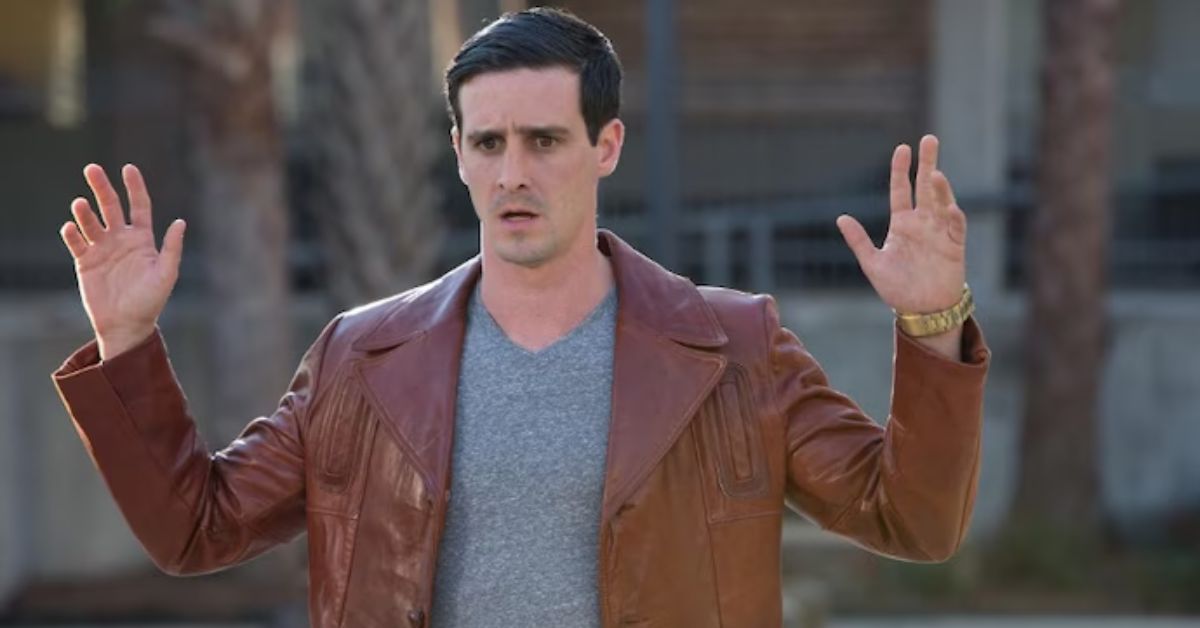
While TV gave Ransone his start, horror films turned him into a genre staple.
His foray into scares began with 2012’s Sinister, where he played Deputy So-and-So, a quirky cop aiding Ethan Hawke’s character.
The film’s success, spawning searches like “James Ransone sinister”, led to a sequel in 2015, Sinister 2, where Ransone took the lead as the ex-deputy battling demonic forces.
His everyman charm made the horror feel grounded, earning him fans in the fright community.
In 2019, Ransone joined the star-studded cast of It Chapter 2, portraying the adult Eddie Kaspbrak.
Keywords like “Eddie It Chapter 2,” “James Ransone It,” and “James Ransone It Chapter 2” surged upon release.
Sharing the role with young actor Jack Dylan Grazer, Ransone captured Eddie’s hypochondriac anxiety and bravery against Pennywise.
Director Andy Muschietti praised his chemistry with co-stars like Bill Hader and James McAvoy, noting how Ransone brought heart to the Losers’ Club reunion.
Two years later, in 2021, he starred in The Black Phone as Max, the brother of Ethan Hawke’s villainous Grabber.
Directed by Scott Derrickson (who also helmed Sinister), the film blended supernatural thriller elements with emotional depth.
Ransone’s performance added levity and tension, contributing to its box-office success.
Fans often query “James Ransone’s black phone” to relive the chills.
Beyond horror, Ransone’s filmography includes indie darlings like 2002’s Ken Park (as Tate), 2006’s Inside Man (as Steve-O, directed by Spike Lee), 2012’s Starlet, and 2015’s Tangerine (as Chester).
His ability to switch between mainstream blockbusters and arthouse films highlighted his versatility.
A table of his key movies and TV shows follows for quick reference:
| Year | Title | Role | Type | Notes |
|---|---|---|---|---|
| 2001 | The American Astronaut | Bodysuit | Film | Debut role |
| 2002 | Ken Park | Tate | Film | Controversial indie |
| 2003 | The Wire | Ziggy Sobotka | TV | 12 episodes, breakthrough |
| 2006 | Inside Man | Steve-O | Film | Spike Lee collaboration |
| 2008 | Generation Kill | Cpl. Josh Ray Person | TV Miniseries | Iraq War drama |
| 2010 | How to Make It in America | Tim | TV | Recurring |
| 2011 | Treme | Nick | TV | 10 episodes |
| 2012 | Sinister | Deputy So-and-So | Film | Horror hit |
| 2012 | Starlet | Mikey | Film | Indie drama |
| 2013 | Low Winter Sun | Damon Callis | TV | Crime series |
| 2015 | Sinister 2 | Ex-Deputy So-and-So | Film | Lead role |
| 2015 | Tangerine | Chester | Film | Acclaimed comedy-drama |
| 2016 | Bosch | Eddie Arceneaux | TV | 8 episodes |
| 2019 | It Chapter 2 | Adult Eddie Kaspbrak | Film | Blockbuster adaptation |
| 2021 | The Black Phone | Max | Film | Horror thriller |
This table organises his significant works, making it easy to see his progression from supporting player to leading man.
Personal Life
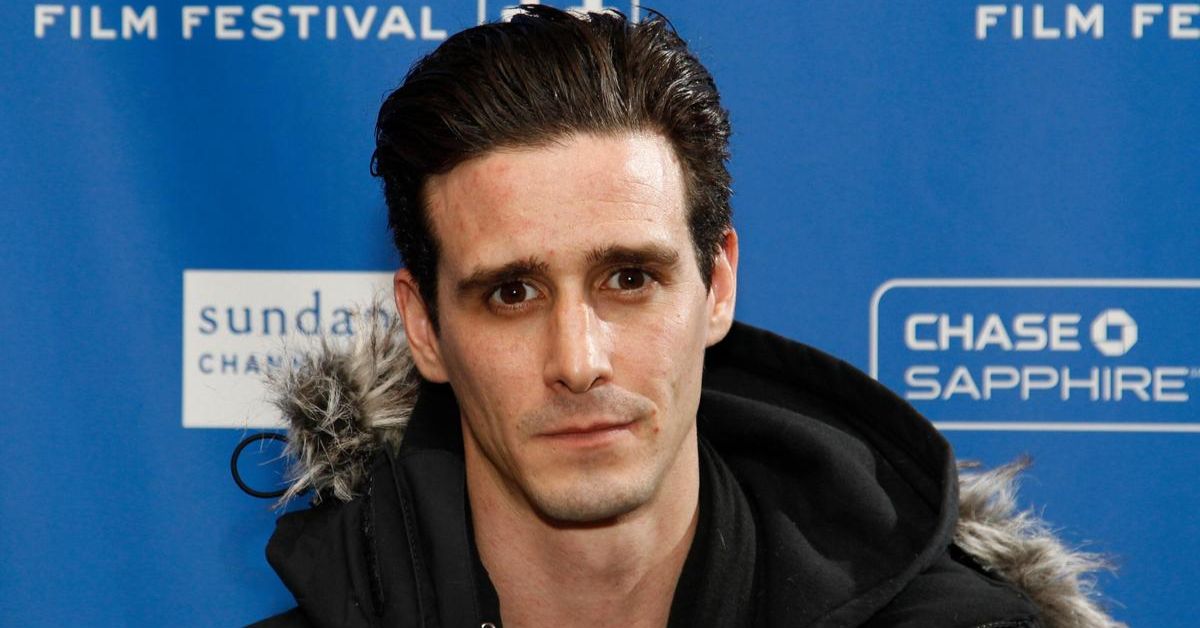
Away from the cameras, James Ransone led a relatively private life, though glimpses revealed a man dedicated to his family and personal growth.
He married Jamie McPhee around 2008 in a quiet ceremony at Rosewood Beach on Lake Michigan.
McPhee, often described as his stabilising force, supported him through ups and downs.
Together, they had two children: son Jack and daughter Violet. Searches for “James Ransone’s wife” and “Jamie McPhee” highlight public curiosity about their low-key relationship.
Ransone was candid about his battles.
By age 27, he developed a heroin addiction, racking up $30,000 in debt and weighing just 115 pounds at one point.
He turned his life around, achieving sobriety and crediting it for his career revival.
In a quirky anecdote, during his struggling days, he told people he was a small-arms dealer training guerrilla forces in northern Africa, a tall tale that amused him.
More seriously, in 2021, he shared on Instagram about being sexually abused as a child, sparking discussions on survivor support.
He reported it to authorities in 2020, though no charges followed.
This openness aligned with his advocacy for mental health, especially poignant given his cause of death.
Financially, Ransone’s net worth was estimated between $500,000 and $2 million, built from steady work in film and TV.
While not extravagant, it reflected a solid career without blockbuster paydays.
Trivia
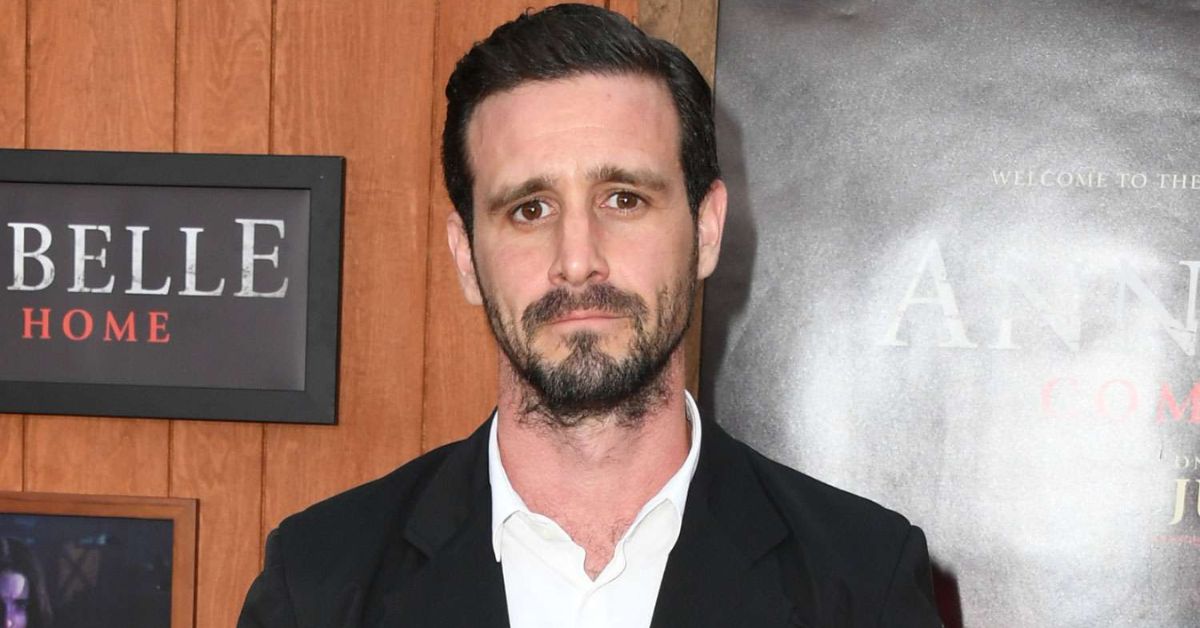
To lighten the mood amid this sombre news, here is an interesting fact: Ransone once heroically rescued his neighbour from a rapist after hearing cries for help outside his apartment. His quick action showcased the real-life bravery that echoed in his on-screen roles. Another tidbit: Before acting, he was a bassist in a metal band, proving his talents extended beyond the screen.
Legacy
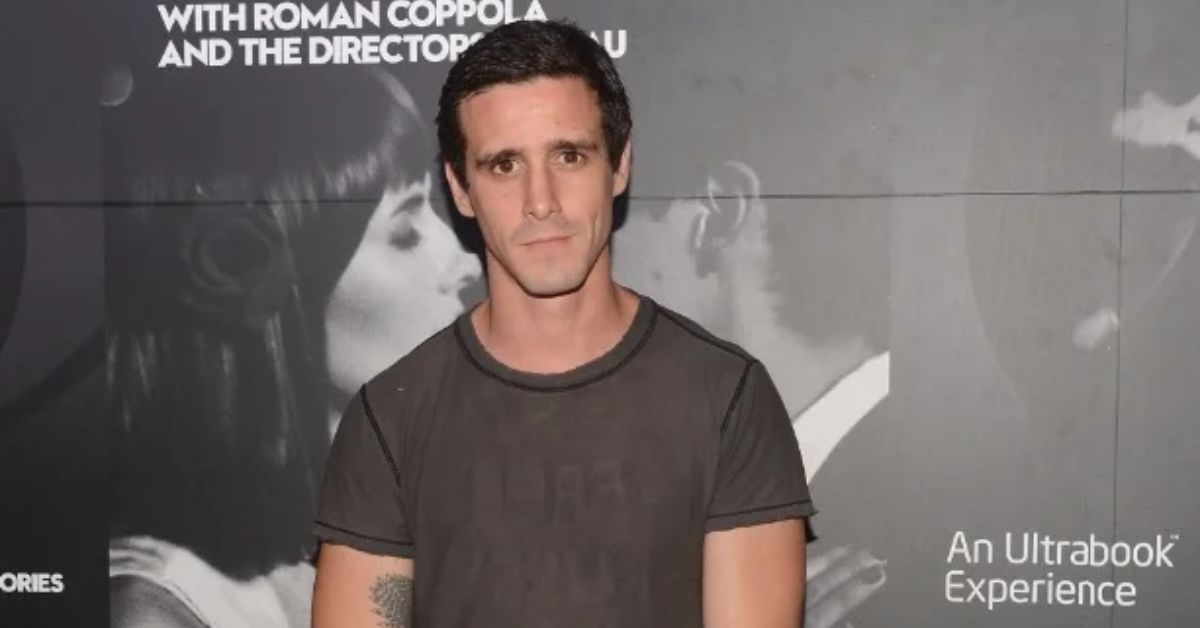
James Ransone’s death by suicide on December 19, 2025, in Los Angeles, confirmed as hanging by the LA County Medical Examiner, has left fans grappling with “James Ransone’s cause of death” and “why did James Ransone die.”
Tributes poured in from Spike Lee, who called him “my dear brother,” Blumhouse for his horror contributions, and co-stars like François Arnaud.
His work inspired a generation of actors to embrace flawed characters.
In horror, he elevated side roles to memorable ones; in drama, he brought authenticity to ensemble casts.
His openness about addiction and abuse encouraged conversations on mental health.
Conclusion
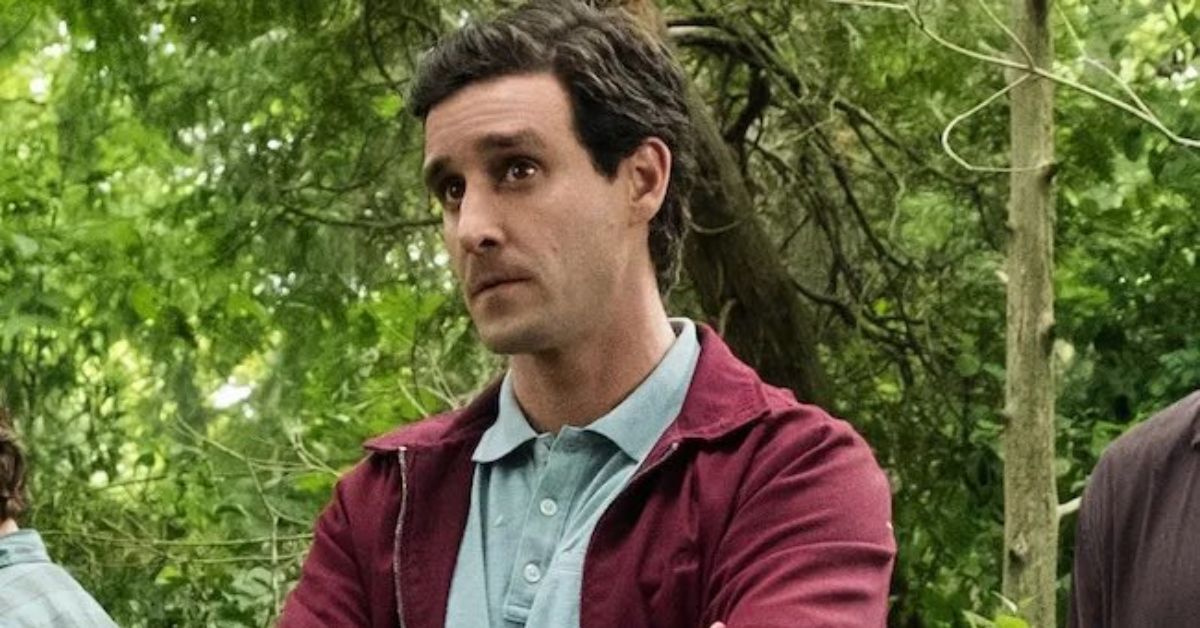
James Ransone’s passing at 46 is a profound loss, but his body of work ensures he will live on in reruns and rewatches.
From Ziggy’s wild energy to Eddie’s heartfelt fears, he touched hearts.
Our thoughts are with Jamie McPhee, their children, and loved ones.
If you are struggling, remember help is available; reach out.
We hope this piece honours his memory.
Stick around for more stories on inspiring figures at THOUSIF INCORPORATED, and explore our site for similar heartfelt tributes.
Take care, friends.
About Author