
Table Of Contents
A Historic Moment In US-Venezuela Relations
In a stunning development that has sent shockwaves across the globe, United States forces successfully captured Venezuelan President Nicolás Maduro and his wife, Cilia Flores, on January 3, 2026.
President Donald Trump announced the news, describing it as a “large-scale strike” that removed the long-standing leader from power.
The operation, reportedly dubbed “Operation Absolute Resolve,” marks a bold move to address years of tensions over allegations of narco-terrorism and human rights concerns.
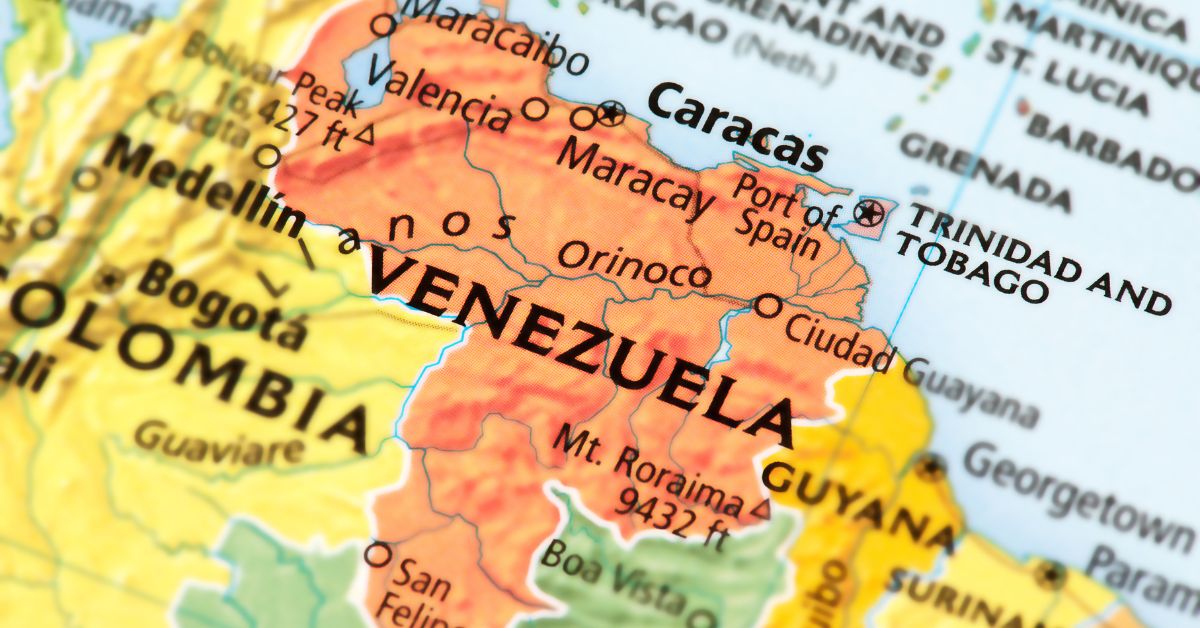
Venezuela, located on the northern coast of South America with Caracas as its capital, has been under Maduro’s rule since 2013, following the death of Hugo Chávez.
How The Capture Unfolded
The operation involved elite US Delta Force units, supported by airstrikes on key sites around Caracas.
Explosions were reported in the early hours, targeting military installations and creating diversions.
Special forces then raided Maduro’s fortified compound, taking him and his wife into custody without major resistance from his inner circle.
Maduro was quickly transferred to the USS Iwo Jima, a US amphibious assault ship stationed nearby.
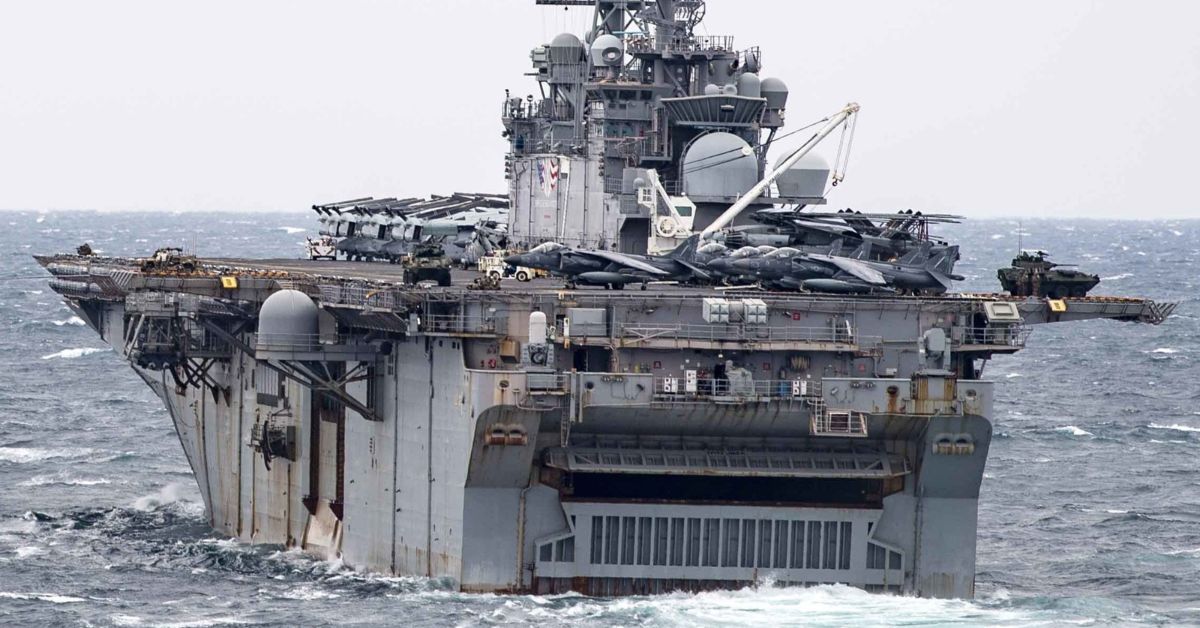
From there, the couple was flown to Stewart Air National Guard Base in New York before being moved to the Metropolitan Detention Center in Brooklyn.
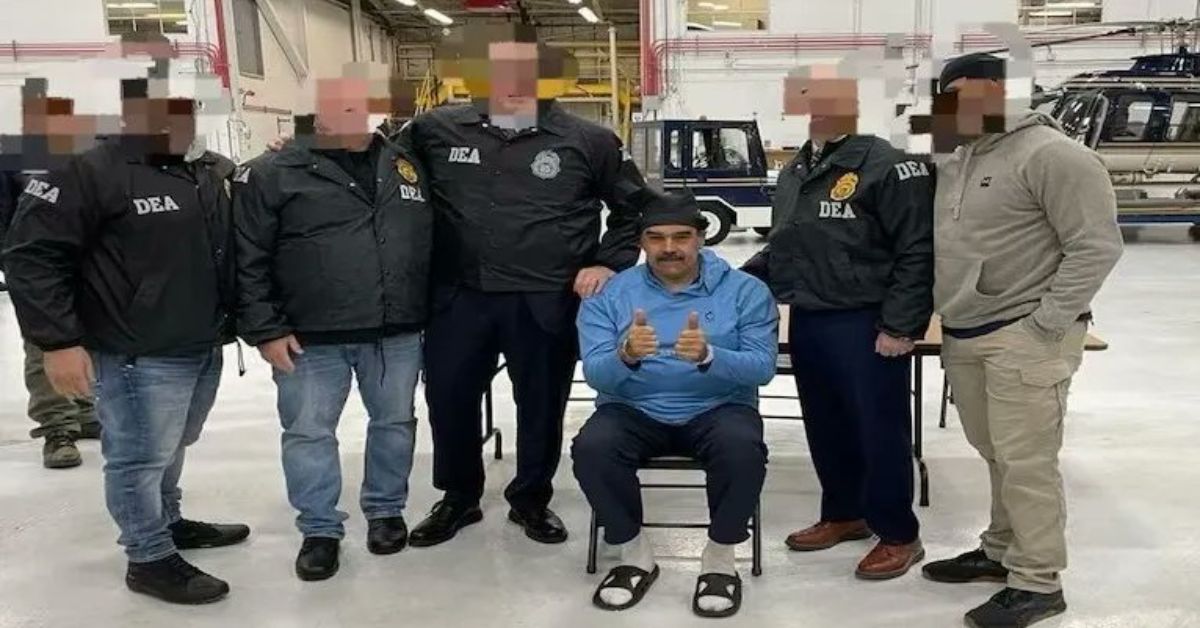
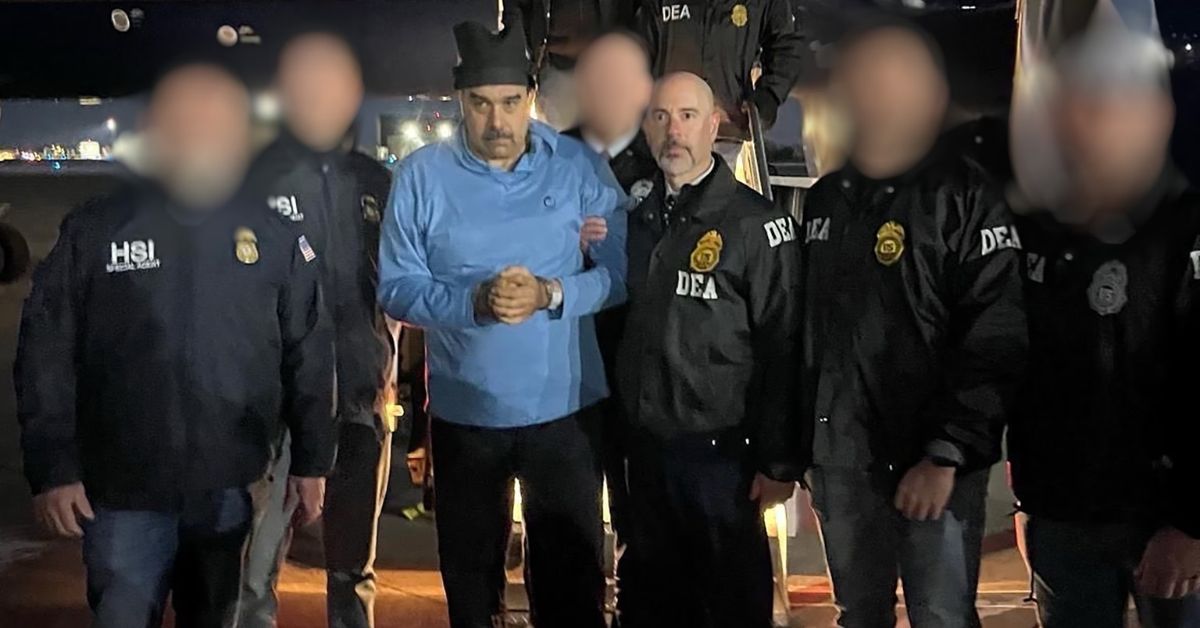
Photos released by President Trump show Maduro handcuffed and blindfolded, a powerful image echoing past captures like that of Panama’s Manuel Noriega in 1989.
The Charges Facing Maduro
Nicolás Maduro and Cilia Flores face serious federal charges in the US, including narco-terrorism conspiracy, cocaine importation, and weapons offenses.
These stem from a 2020 indictment that accused Maduro of turning Venezuela into a narco-state, allegedly linked to the Cartel de los Soles.
Defense Secretary Pete Hegseth emphasized the operation was about “freedom, security, and prosperity,” while General Dan Caine, Chairman of the Joint Chiefs of Staff, detailed the precise timeline.
Maduro has long denied these allegations, but US officials say the evidence is overwhelming.
Celebrations Among Venezuelans Abroad
For many Venezuelans living abroad, especially in the United States, the news brought immediate joy.
In Doral, Florida, often called “Doralzuela” for its large Venezuelan community, people took to the streets waving flags and chanting for liberty.
After years of economic hardship, hyperinflation, and mass migration under Maduro’s leadership, many feel a sense of relief and hope.
Global Reactions And Concerns
The operation has drawn sharp criticism from Venezuela’s allies.
Russia, China, Cuba, and Iran condemned the move as a violation of sovereignty, with calls for emergency UN meetings.
In Latin America, leaders expressed alarm over potential instability.
Back home, Venezuela’s Supreme Court has named Vice President Delcy Rodríguez as acting leader, while military figures like Vladimir Padrino López remain in key positions.
Questions linger about possible retaliation or internal power struggles.
President Trump stated the US will temporarily “run” Venezuela to ensure a safe transition, with American oil companies expected to play a role in stabilizing the economy.
Venezuela’s Massive Oil Reserves
One key factor in Venezuela’s strategic importance is its natural resources.
The country sits on the world’s largest proven oil reserves, far surpassing even Saudi Arabia.
Here is a quick comparison of the top countries:
| Rank | Country | Proven Oil Reserves (billion barrels) |
|---|---|---|
| 1 | Venezuela | ~303 |
| 2 | Saudi Arabia | ~259 |
| 3 | Iran | ~208 |
| 4 | Canada | ~170 |
| 5 | Iraq | ~145 |
These reserves have been central to Venezuela’s economy, though production has plummeted under sanctions and mismanagement.
Trivia
Did you know Venezuela’s oil reserves were first certified as the world’s largest in 2011? Despite this wealth, the country has faced severe shortages of basics like food and medicine in recent years, highlighting how resource riches do not always translate to prosperity.
Looking Ahead
The capture of Nicolás Maduro closes a long chapter in Venezuelan history but opens many uncertain ones.
Will this lead to democratic reforms or new challenges?
How will oil markets react, and what about broader implications for US foreign policy?
As events continue to unfold, one thing is clear: the world is watching Venezuela closely.
Author