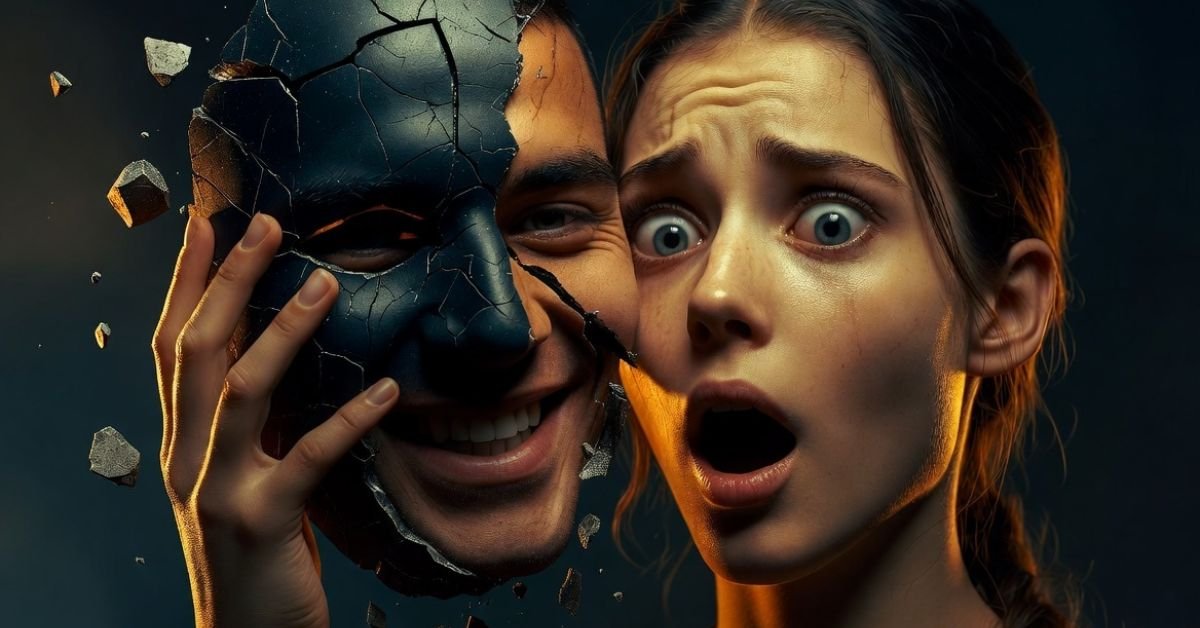

In an age of endless dating apps, curated profiles, and carefully crafted first impressions, a quiet but persistent question is gaining traction among relationship experts, therapists, and frustrated singles alike: What if relationships are not inherently difficult? What if the exhaustion, drama, and emotional labor so many describe stem less from “incompatibility” or “modern life” and more from a single, avoidable factor, partners who lie?
The idea challenges a common narrative.
Scroll through any social feed or dating forum, and you will find countless posts lamenting how hard relationships have become.
However, psychologists increasingly point to a simpler explanation: when deception is removed from the equation, partnerships often feel lighter, more predictable, and far less draining.
The real question, then, becomes: Why has lying become so normalized in romance, and at what cost?
Recent data paints a troubling picture. Surveys from 2024 and 2025 show that online deception is rampant.
One in five dating app users admits to lying about their age on their profiles, while 14 percent fib about income, hobbies, or employment status.
Even more concerning, 13 percent confess to misleading potential partners about their current relationship status or dating history.
Among 18- to 35-year-olds already in relationships, 27 percent have lied about their financial situation to a partner, a behavior now being labeled “financial infidelity” by credit-reporting agencies.
These are not just harmless white lies.
A 2025 academic study on dishonesty in romantic relationships identified four main forms of deception: active lying, withholding information, concealment, and outright infidelity.
Participants described motives ranging from self-protection (avoiding conflict or judgment) to “partner protection” (sparing feelings).
However, the consequences were almost universally negative: eroded trust, emotional distance, and what researchers called “the vicious cycle”, where one lie begets suspicion, which begets more lies.
Clinical psychologists say the mental load of constantly questioning a partner’s honesty turns what should be a source of support into a full-time detective job.
“When someone is consistently truthful, conflicts become solvable problems instead of hidden landmines,” notes one relationship researcher. “Remove the need to decode mixed signals or fact-check stories, and suddenly the relationship feels easy.”
So why does deception feel so common now? Experts point to several modern pressures.
Dating apps make it effortless to present an idealized version of oneself.
Social media rewards highlight reels over reality.
Moreover, cultural messaging often celebrates “playing it cool” or keeping options open rather than being upfront.
The result? A low-grade epidemic of small- to medium-sized lies that accumulate into major relational strain.
Romance scams offer the most extreme example.
In 2024 alone, Americans lost over $1.3 billion to fraudsters posing as romantic partners, a figure that continued climbing into 2025.
However, even non-criminal deception takes a toll.
Couples therapists report seeing more clients than ever whose primary complaint is not lack of love or attraction, but the slow erosion of safety caused by repeated dishonesty.
The bigger question lingers: Are we overcomplicating romance? Relationship coaches increasingly advise treating basic honesty as a non-negotiable filter rather than something that develops later.
Early red flags, inconsistent stories, reluctance to share simple details, or defensiveness when asked direct questions may not signal “complexity.” They may signal a partner who is not ready, willing, or able to tell the truth.
Of course, no human relationship is perfectly free of deception.
Occasional white lies meant to spare feelings occur even in the healthiest partnerships.
The distinction, experts stress, lies between occasional kindness and a pattern of deceit that forces one person to carry the emotional weight of uncertainty.
As dating fatigue reaches record levels, with surveys showing rising burnout among Gen Z and Millennials, more people are beginning to ask the uncomfortable question out loud: What if the hardest part of relationships is not the relationship itself? What if it is simply refusing to settle for anything less than radical honesty?
The answer may be simpler than we have been led to believe.
When both people choose truth over performance, the relationship stops feeling like work and starts feeling like home.
The real challenge is not finding “the one.”
It is refusing to date anyone who makes honesty feel optional.
About Author