
Amid the intensifying Middle East crisis, Iran has signaled its willingness to pursue ceasefire negotiations with the United States and Israel, but only on terms that uphold its national dignity and provide ironclad security guarantees.
This overture, revealed in an exclusive interview with a senior Iranian diplomat, comes as airstrikes and economic disruptions continue to ravage the region since late February.
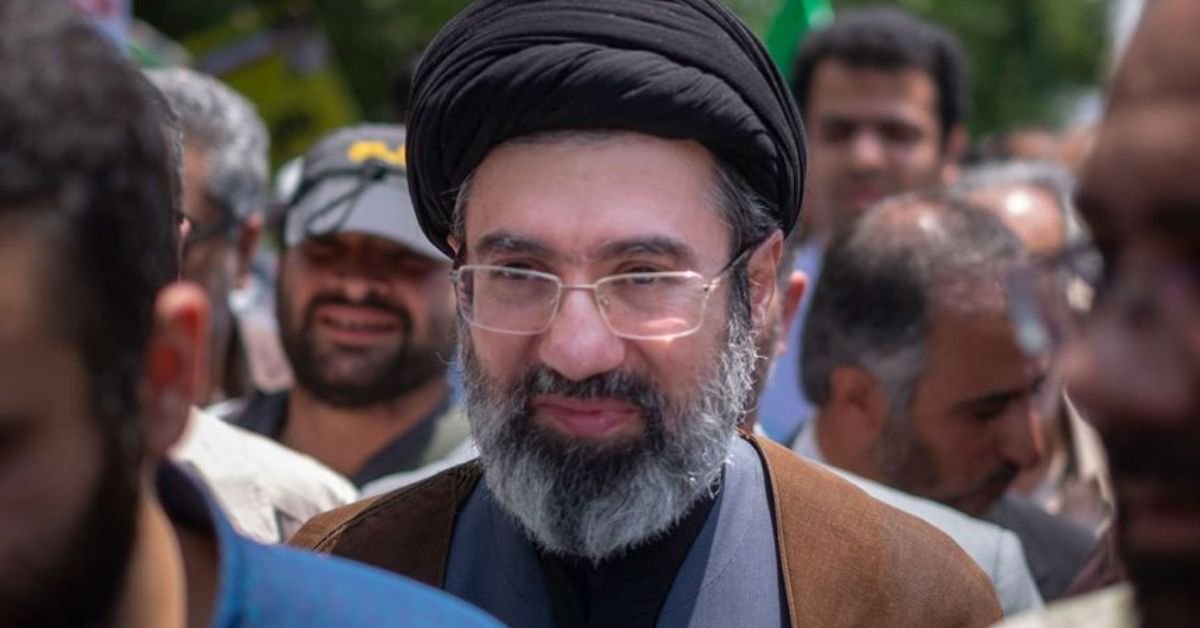
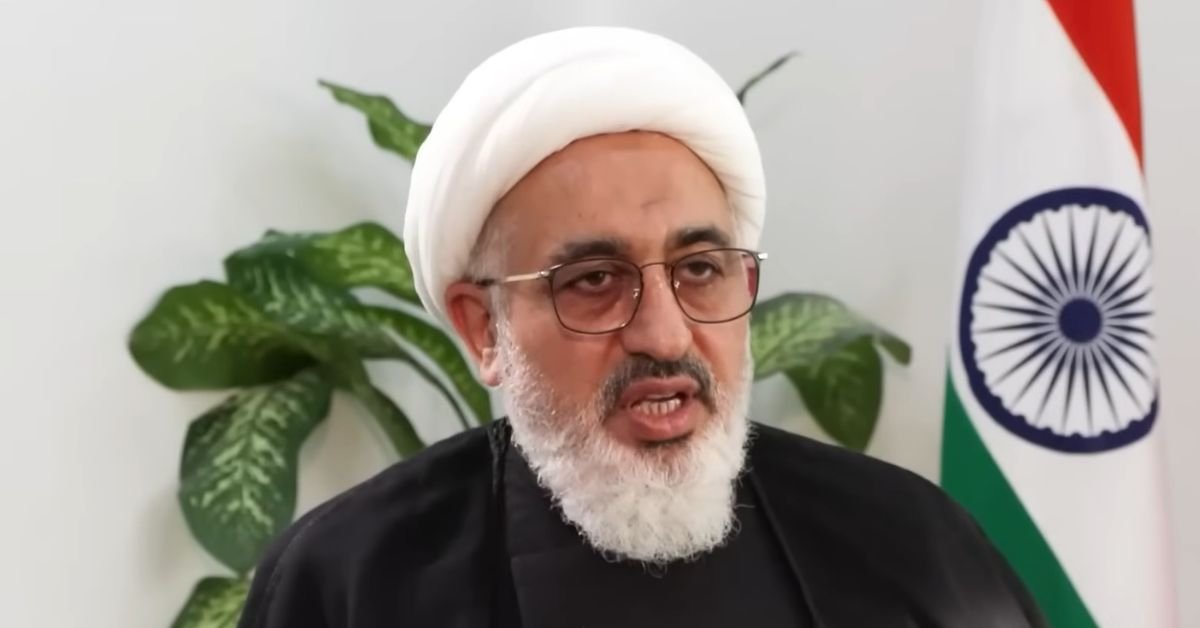
Abdul Majeed Hakeem Ilahi, representative of Iran’s late Supreme Leader Ali Khamenei in India, told an Indian media outlet that Tehran is “ready to stop the war” and enter talks, provided they occur without unilateral impositions.
“The negotiating should be with dignity, not dictating something against Iran,” Ilahi emphasized, framing Iran’s position as purely defensive.
He outlined three essential conditions: an immediate halt to all military actions, enforceable pledges against future attacks, and the complete removal of U.S. sanctions that have severely hampered Iran’s economy.
The remarks highlight recent diplomatic efforts, including indirect talks mediated by Oman, which have shown promising progress.
Ilahi noted that Oman’s foreign minister had praised the advancements just before the escalation, but blamed U.S. and Israeli strikes, including the one that killed Khamenei, for derailing the process.
“We never left the table of negotiation; they left it,” he asserted, shifting responsibility to the opposing sides to initiate de-escalation.
Analysts interpret this as a strategic appeal from Iran to ease growing strains, including civilian casualties and interruptions to global oil supplies.
Iran’s threats to blockade the Strait of Hormuz, a key conduit for international energy trade, have already led to widespread flight disruptions and surging fuel costs, impacting economies across Europe and Asia.
“This war is not in the best interest of anyone,” Ilahi cautioned, calling on global leaders to urge Washington and Tel Aviv to cease operations.
U.S. officials have offered a measured response. President Donald Trump stated from the White House that Iran appears “desperate” for dialogue and affirmed his administration’s openness to talks, contingent on the “complete dismantlement” of Iran’s nuclear program and missile capabilities, demands Tehran has consistently rejected as infringements on its sovereignty.
Israeli Prime Minister Benjamin Netanyahu reinforced this stance, insisting any truce must permanently eliminate Iran’s military threats.
In parallel, Iranian authorities have pushed back against Western media depictions of domestic instability, with Ilahi labeling it a “narrative war” of misinformation.
He cited enormous public demonstrations, including millions mourning Khamenei, as proof of widespread national solidarity.
Now in its third week, the conflict has claimed hundreds of lives on both sides, prompting urgent calls for restraint from China, Russia, and the European Union.
India’s foreign ministry, attuned to its reliance on Gulf oil, has endorsed renewed mediation through Oman.
While Ilahi’s statements offer a glimmer of hope for diplomacy, their success hinges on reciprocal concessions amid rising concerns of a protracted regional war.
About Author