
A minor earthquake in southern Iran has sparked fresh online rumours of a secret nuclear test, just days after the death of Supreme Leader Ayatollah Ali Khamenei.
Experts have quickly ruled out any link to nuclear activity, confirming the tremor as a natural event in one of the world’s most seismically active zones.
As the conflict between Iran, Israel, and the United States continues, the episode highlights the deep anxiety surrounding Tehran’s nuclear programme and the power struggle now unfolding inside Iran.
The 4.3-magnitude quake struck near the rural city of Gerash in Fars province on March 3, 2026, at a depth of roughly 10 kilometres.
It occurred along the Zagros fold-and-thrust belt, where the Arabian and Eurasian tectonic plates push against each other, producing hundreds of small earthquakes each year.
Iranian authorities reported no casualties, injuries, or significant damage, exactly what one would expect from a low-intensity event in this region.
Social media and conspiracy channels immediately seized on the timing.
Some claimed the shallow depth and sharp jolt pointed to an underground nuclear explosion, suggesting Iran was sending a defiant message after losing its top leader.
Seismic specialists from the U.S. Geological Survey and the Comprehensive Nuclear-Test-Ban Treaty Organization examined the data and found nothing unusual: the wave pattern was typical of a natural tectonic shift, not the sudden spike of an explosion.
No radiation or radionuclide traces were detected anywhere.
Iran has faced similar rumours before, after quakes in Aradan in 2024 and near Bushehr in 2025, each time tied to its controversial nuclear programme.
Tehran insists the programme is for peaceful energy only, repeatedly citing a religious fatwa issued by Khamenei banning nuclear weapons.
While Iran has enriched uranium to near-weapons-grade levels (around 60 % purity), the International Atomic Energy Agency states there is still no evidence of an active weapons programme.
Khamenei’s death on February 28 has dramatically raised the stakes.
The 86-year-old leader was killed in a targeted U.S.-Israeli airstrike on his Tehran compound during the joint operation codenamed Lion’s Roar by Israel and Epic Fury by the United States.
The campaign also eliminated several top officials, including Defence Minister Aziz Nasirzadeh, IRGC Commander Mohammad Pakpour, and intelligence chief Saleh Asadi.
Iran declared 40 days of national mourning, yet the streets tell two different stories: some Iranians celebrated the news as a chance for change.
At the same time, hardline supporters held angry rallies against foreign aggression.
Under the constitution, the 88-member Assembly of Experts must now choose a new supreme leader.
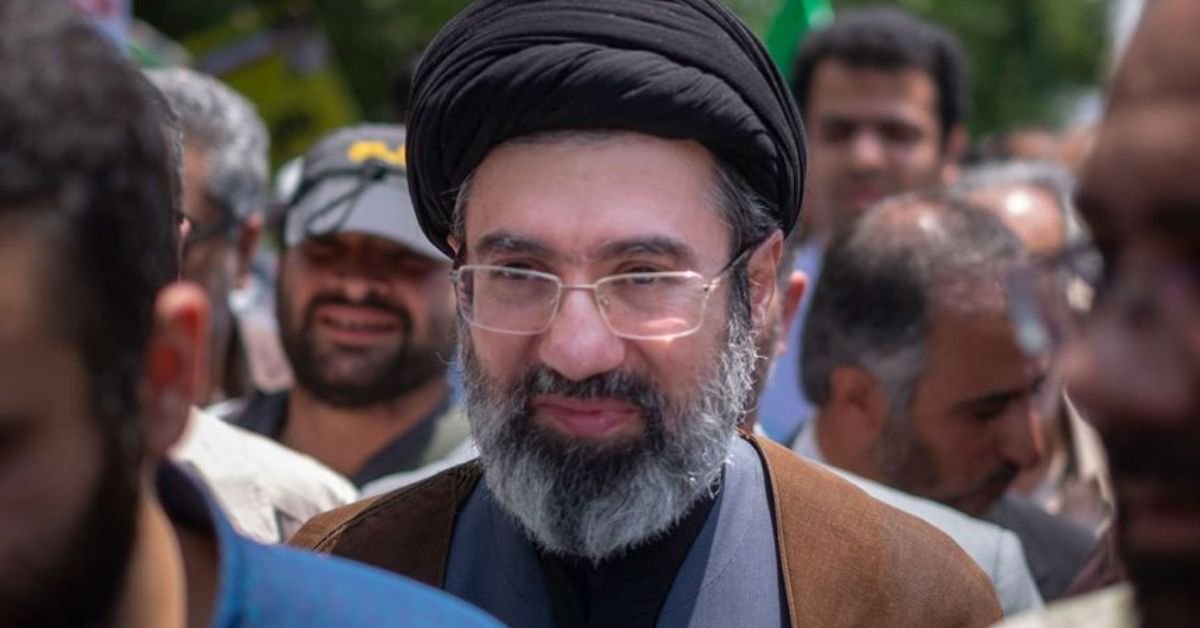
Most analysts expect Khamenei’s son, Mojtaba Khamenei, a 56-year-old cleric with strong ties to the Revolutionary Guards, to emerge as the frontrunner.
However, names such as former parliament speaker Ali Larijani and senior cleric Ayatollah Alireza Arafi remain in play.
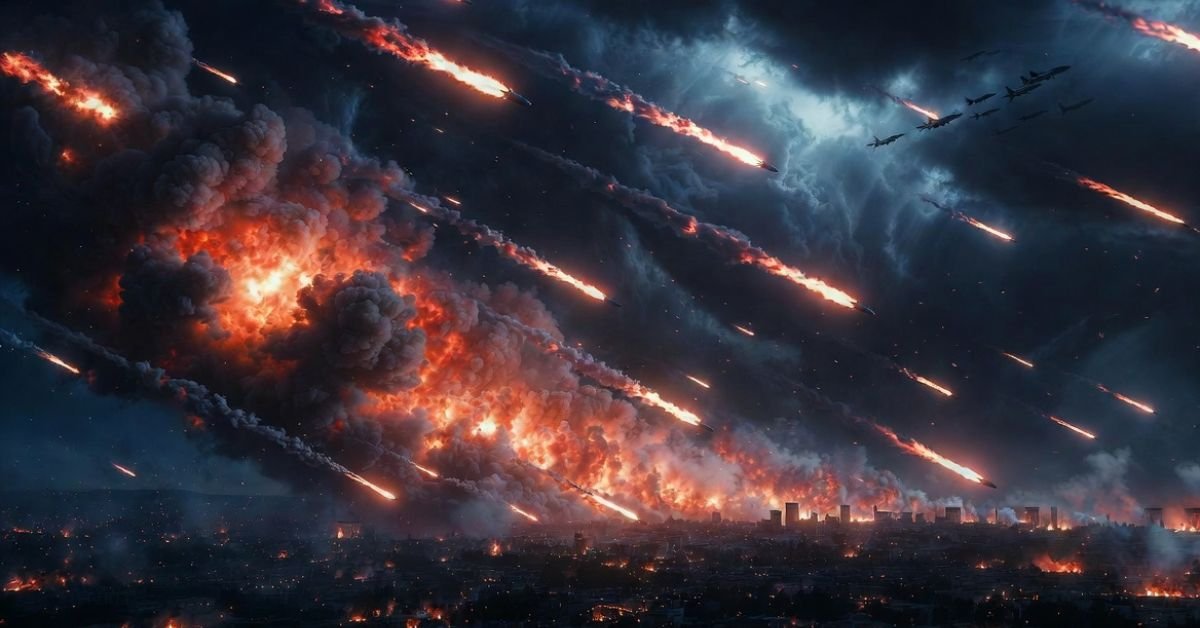
In retaliation, Iran has fired more than 270 ballistic missiles at Israel, killing at least 12 civilians and wounding hundreds.
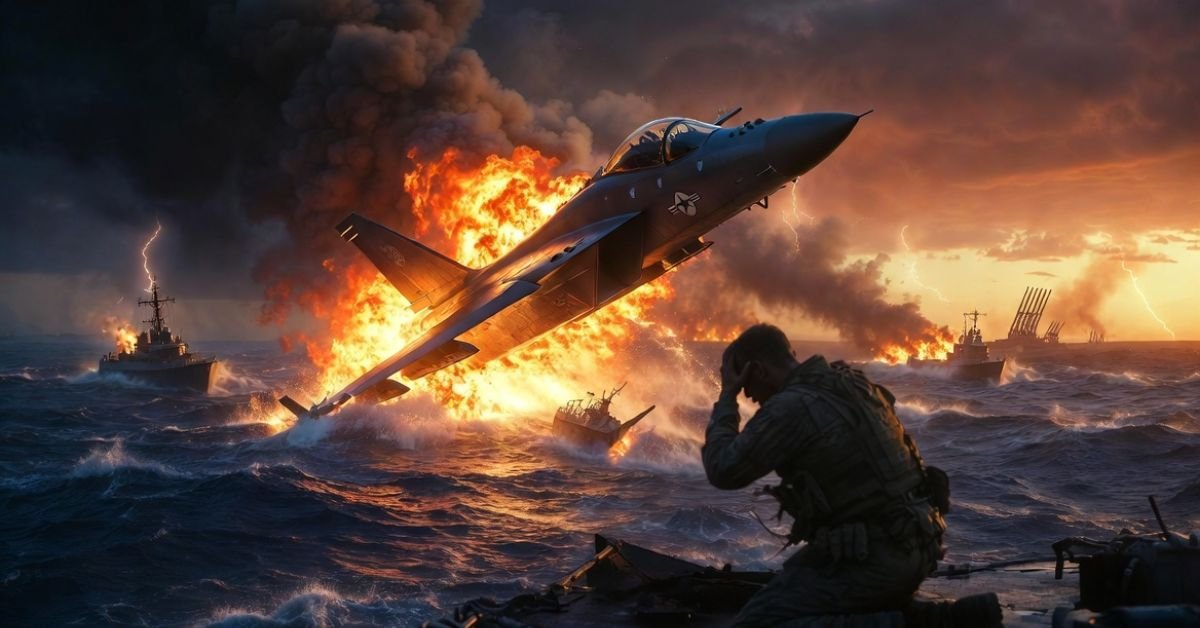
Drone attacks have also hit U.S. bases in the Gulf, and proxy forces, including Hezbollah and the Houthis, have stepped up operations, widening the conflict.
The economic consequences are already being felt. Iran has threatened to close the Strait of Hormuz, the narrow chokepoint that carries one-fifth of the world’s oil supply.
Such a move could push crude prices well above $100 a barrel, raising global fuel costs.
Countries like India, which rely heavily on Middle Eastern oil, face higher inflation and supply worries.
New Delhi has issued travel advisories and is preparing contingency plans for the thousands of Indian nationals still living and working in Iran.
Diplomatic channels remain frozen.
Talks in Geneva collapsed shortly before the strikes over irreconcilable positions on uranium enrichment.
With rebuilding work moving deeper underground, many experts worry that further pressure on Iran could push it toward a rapid weapons sprint, though that possibility remains unconfirmed.
Here is a clear timeline of the key events:
| Event | Date | Main Details | Immediate Impact |
|---|---|---|---|
| Khamenei’s Death | 28 Feb 2026 | Killed in U.S.-Israeli strike on Tehran compound | Mourning declared, protests erupt |
| Operation Lion’s Roar / Epic Fury | 28 Feb onward | Over 1,000 strikes on leadership & nuclear sites | Regime weakened, retaliatory attacks begin |
| Iranian Missile & Drone Strikes | 28 Feb onward | 270+ missiles on Israel, drones on U.S. bases | Civilian deaths, regional proxies activated |
| Fars Province Earthquake | 3 Mar 2026 | 4.3 magnitude, natural tectonic event | Nuclear test rumours spread online |
| Nuclear Programme Status | Ongoing | Limited damage, enrichment continues underground | Heightened global monitoring |
| Succession Process | Ongoing | Assembly of Experts to choose new leader | Mojtaba Khamenei is widely tipped as a successor |
As the dust continues to settle, the world is watching closely to see whether Iran’s leadership transition brings more confrontation or a possible opening for de-escalation.
At THOUSIF INCORPORATED, we remain committed to delivering clear, factual updates on developments that matter.
Thank you for reading.
We welcome you to explore our other reports on global affairs.
About Author