
Table Of Contents
Overnight Strikes Disrupt Caracas And Beyond
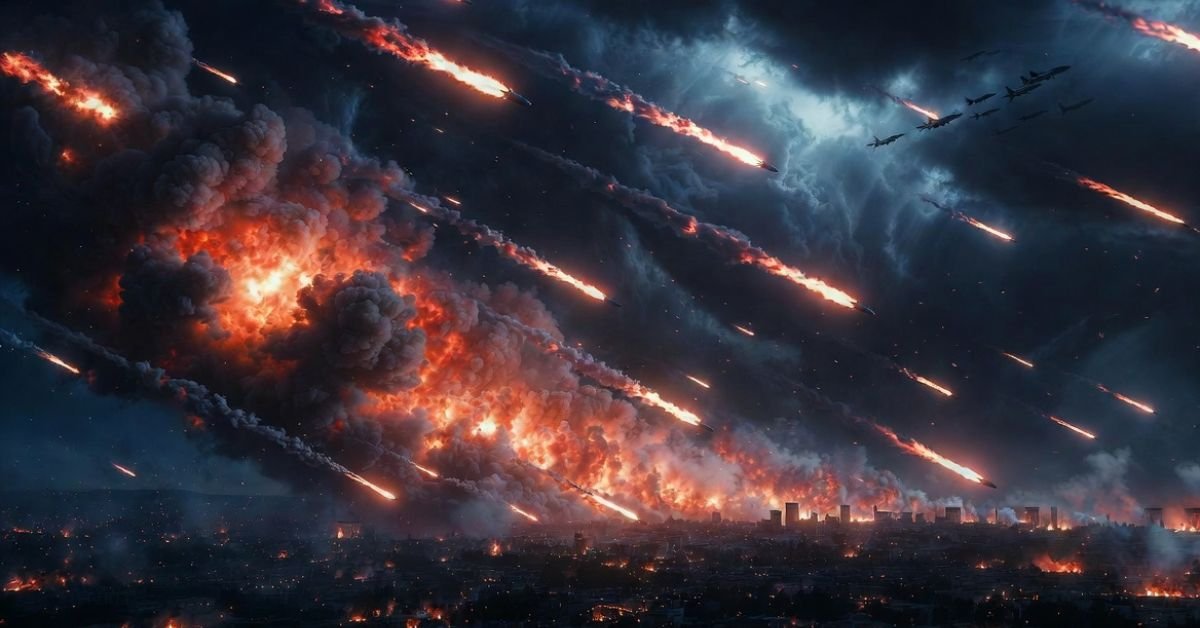
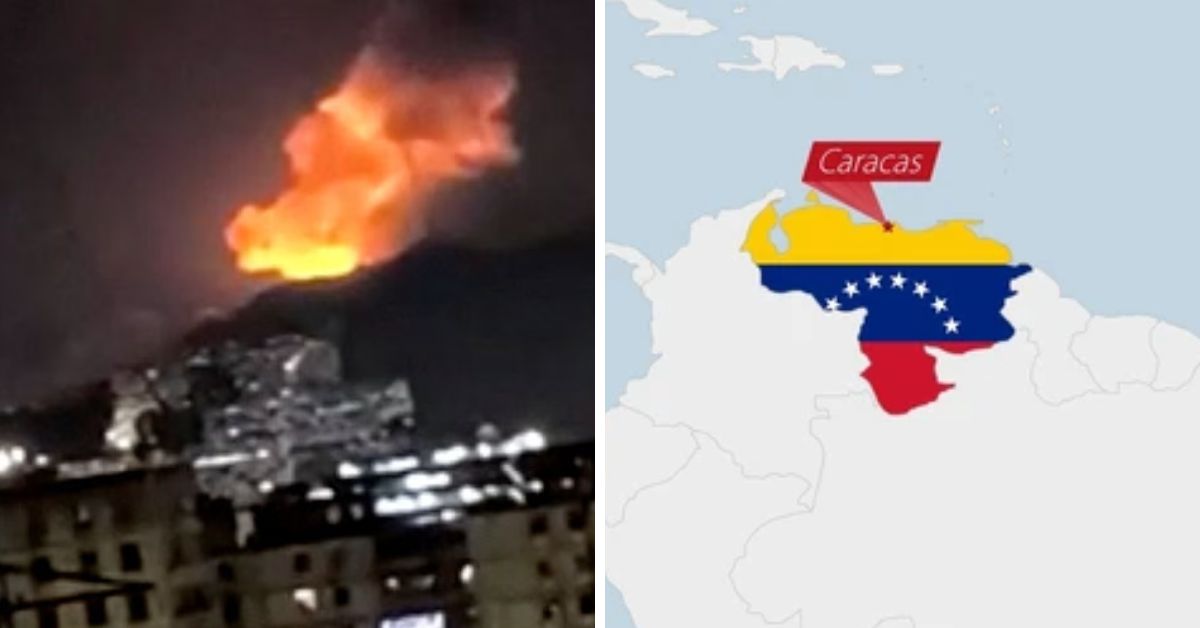
In the early hours of January 3, 2026, a series of powerful explosions rocked Caracas, Venezuela’s capital, starting around 2 a.m. local time.
Witnesses reported at least seven blasts, low-flying aircraft, thick smoke rising over the city, and power outages in southern districts.
Residents described panic in the streets as fires broke out and the ground shook from the impacts.
The strikes extended beyond Caracas, affecting military and infrastructure sites in the states of Miranda, Aragua, and La Guaira, including the port of La Guaira.
Key targets included Fuerte Tiuna, the country’s main military headquarters, and La Carlota airbase.
Venezuela’s government reported casualties among civilians and military personnel but has not released specific figures.
Trump Confirms Operation And Maduro’s Capture
President Donald Trump announced that US forces had executed a “large-scale strike” on Venezuela, resulting in the capture of President Nicolás Maduro and his wife, Cilia Flores.
According to Trump, the couple was flown out of the country in a joint military and law enforcement operation.
Maduro is expected to face criminal charges in the United States related to drug trafficking allegations.
Venezuelan officials, including Vice President Delcy Rodríguez and Defense Minister Vladimir Padrino López, condemned the actions as “grave military aggression” and a violation of sovereignty.
The government declared a national state of emergency, mobilized supporters to the streets, and demanded proof of life for Maduro.
Foreign Minister Yván Gil requested an urgent United Nations Security Council meeting.
Escalation Timeline: From Sea Strikes To Mainland Operation
This operation marks the culmination of months of increasing US pressure on the Maduro administration, framed around combating alleged narco-terrorism and drug smuggling.
| Date | Development |
|---|---|
| August-September 2025 | Trump authorizes military force against designated drug cartels; Operation Southern Spear launches with strikes on suspected smuggling vessels at sea, killing over 100 people |
| December 2025 | CIA drone strike on a Venezuelan coastal port facility—the first known direct action on mainland soil |
| January 3, 2026 | Large-scale strikes on Caracas and multiple sites; Maduro captured and removed from Venezuela |
The buildup included a significant US military presence in the Caribbean, featuring aircraft carriers, amphibious groups, and frequent cargo flights.
Divided International Response
Reactions have been swift and polarized.
Allies of Venezuela, such as Russia, Iran, Cuba, and Belarus, strongly condemned the strikes as illegal aggression and violations of international law.
Russia called for de-escalation, while Cuba labeled it “state terrorism.”
Colombia expressed concern over potential humanitarian impacts, including refugee flows, and deployed border forces.
The European Union urged restraint and respect for international norms.
Some leaders, including those from Chile and Spain, voiced worry over regional stability.
In Venezuela, officials vowed resistance, with Padrino López stating the armed forces would unite against the “worst aggression” in the country’s history.
Trivia
Fuerte Tiuna is Venezuela’s premier military complex, located in southern Caracas and spanning vast acreage. It houses command centers, the Defense Ministry, training grounds, and residential areas for personnel. Built in the mid-20th century, it represents the core of Venezuela’s national defense structure and has now become a focal point in this escalating conflict.
Outlook For A Rapidly Evolving Situation
With Maduro reportedly in US custody, uncertainty looms over Venezuela’s leadership, potential power transitions, and risks of further instability.
Humanitarian concerns, including possible mass migration, are mounting, alongside questions about the operation’s long-term implications for regional and global security.
About Author