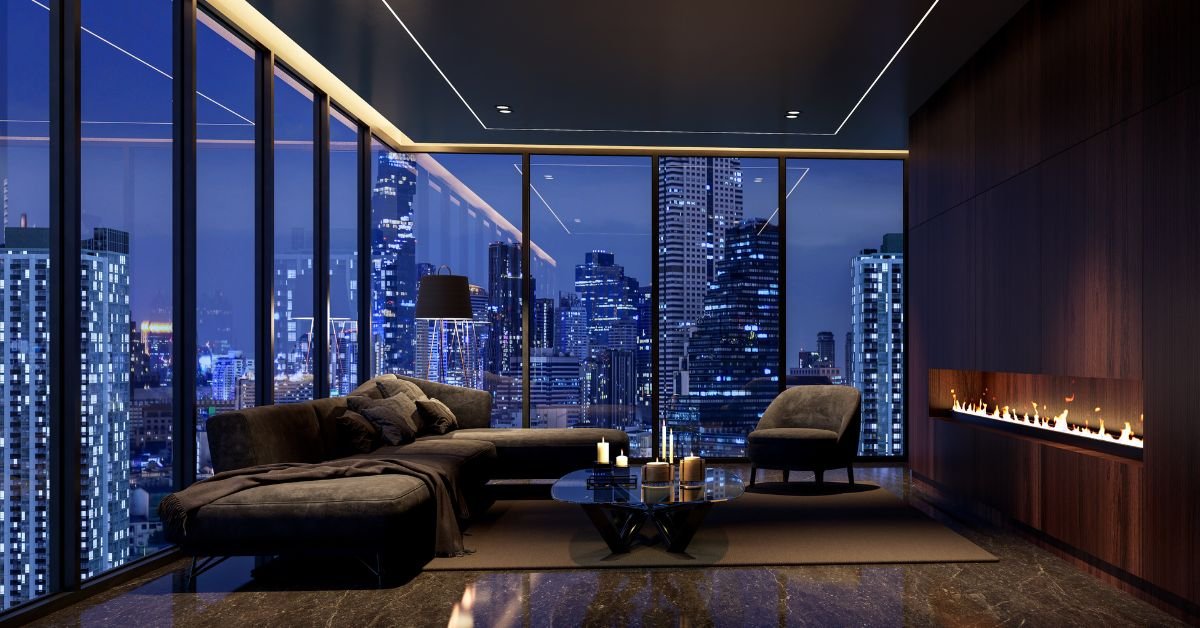

After last year’s record wave of luxury apartment construction pushed vacancies higher, the U.S. high-end rental market is entering a more balanced phase in 2026.
Prices are holding steady, new supply is slowing, and affluent renters continue to seek distinctive, experience-driven properties.
National luxury rents remained largely unchanged in early 2026, with analysts forecasting modest growth of around 2% by year-end as absorption improves and deliveries taper off.
Vacancy rates in premium buildings, which climbed to 11% in some markets last year, are expected to tighten gradually.
Miami has solidified its position as the branded-residence capital, drawing international buyers and high-net-worth renters with no state income tax, waterfront lifestyles, and towers from Dolce & Gabbana, St. Regis, Fendi, and Armani/Casa.
Multigenerational layouts and flexible live-work spaces have become must-have features.
New York City’s supertall towers in Hudson Yards, Billionaires’ Row, and Long Island City continue to set the benchmark for ultra-luxury living.
At the same time, Chicago, Austin, and Houston offer strong value with lakefront or downtown high-rises featuring comparable amenities at more accessible prices.
The amenities arms race remains in full swing.
Rooftop pools, private spas, wellness centers, biophilic design, and smart-home technology are now standard in new luxury properties.
Developers say thoughtful design and exceptional service will separate top performers in a more selective market.
The luxury segment continues to attract strong institutional capital and cash buyers, positioning it for steady performance through the rest of 2026 and beyond.
About Author