
Table Of Contents
Oscar fish (Astronotus ocellatus), widely regarded as one of the most intelligent and charismatic large cichlids in the aquarium trade, continue to grow in popularity among enthusiasts across South Asia, Southeast Asia, Europe, North America, and Latin America.
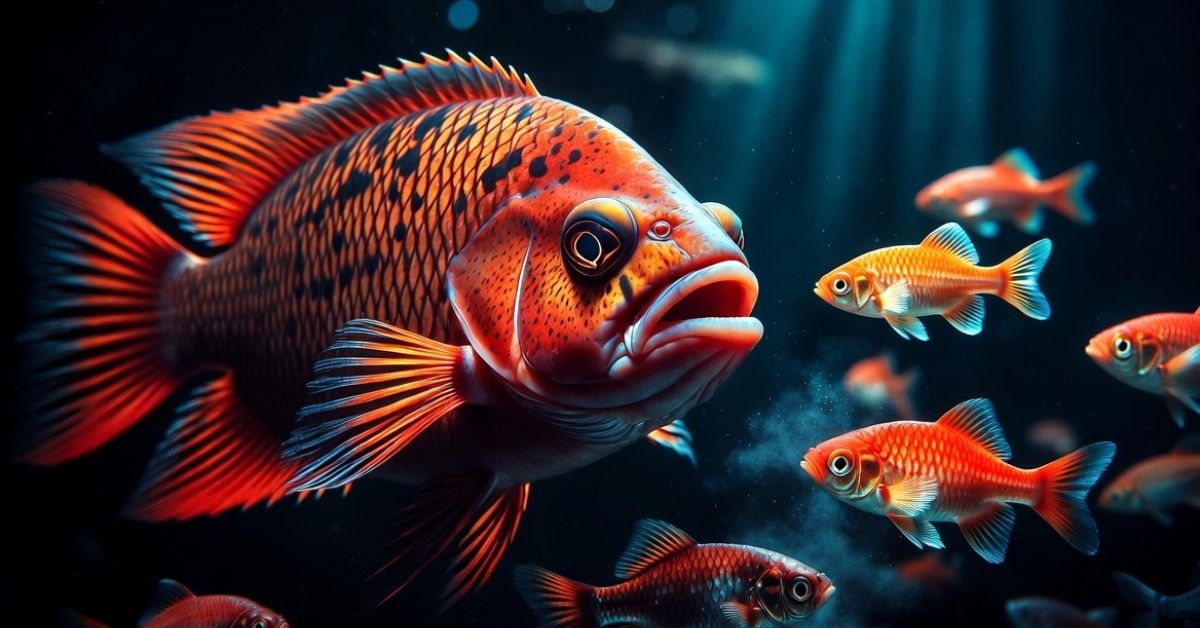
Renowned for their striking colors, bold personalities, and dog-like behavior, these South American natives can reach 12 to 14 inches (30–35 cm) in length and often become the centerpiece of home aquariums.
However, a persistent challenge reported by keepers globally is sudden loss of appetite, Oscars that once consumed food aggressively suddenly refusing meals for days or even weeks.
This phenomenon, frequently discussed in international aquarium forums and fish-keeping communities, is rarely an immediate cause for panic but warrants prompt attention.
According to experienced aquarists and cichlid specialists, refusal to eat is typically a symptom rather than a standalone condition and can often be resolved through systematic troubleshooting.
Primary Causes Identified By Experts
Veteran Oscar keepers and aquarium veterinarians consistently cite several leading factors:
- Water quality deterioration: As heavy feeders and messy eaters, Oscars generate significant waste. Elevated ammonia, nitrite, or nitrate levels are the most common trigger for appetite suppression.
- Environmental stress: Recent tank relocation, introduction of new tankmates, sudden changes in lighting or temperature, or frequent disturbances can cause the fish to “sulk” and stop feeding.
- Health-related issues: Bacterial infections, internal parasites (often introduced through live feeder fish), hole-in-the-head disease, or digestive problems such as constipation frequently manifest first as loss of appetite.
- Dietary monotony: Oscars may become selective and reject the same commercial pellets repeatedly if the diet lacks sufficient variety.
Proven Recovery Strategies
The consensus among global aquarium experts is to address root causes methodically rather than resorting to immediate medication.
Recommended steps include:
- Immediate water testing and maintenance: Perform comprehensive parameter checks and conduct substantial partial water changes (30–50%) to restore optimal conditions.
- Stress reduction: Dim or turn off aquarium lighting for 24–48 hours and minimize activity around the tank, a simple yet highly effective technique endorsed by many long-term keepers.
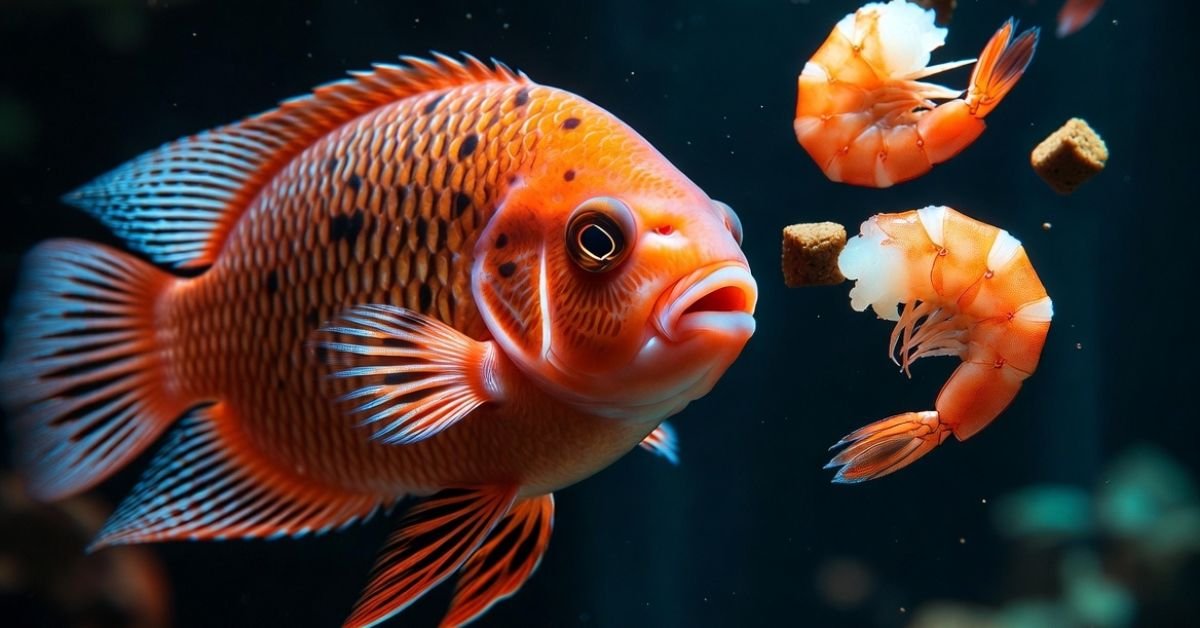
- Dietary variety: Offer a rotation of high-quality cichlid pellets, frozen or live foods (such as shrimp, bloodworms, krill, or earthworms), and blanched vegetables to rekindle interest.
- Observational fasting: Healthy adult Oscars can safely fast for up to 2 weeks; patience, combined with one carefully timed small feeding, often restores normal behavior.
- Professional intervention when needed: If symptoms persist alongside clamped fins, lethargy, abnormal feces, or visible lesions, quarantine and targeted treatment under veterinary guidance may be required.
Aquarium societies worldwide stress that prevention remains the most effective approach: maintaining stable water parameters, providing spacious filtration, and offering a varied diet from the outset significantly reduces the likelihood of appetite loss.
As the hobby of keeping Oscars expands globally, understanding and addressing feeding challenges helps ensure these impressive fish enjoy long, healthy lives in home aquariums.
For concerned owners, the prevailing expert advice is clear: begin with water quality and environmental stability.
In the vast majority of cases, a calm, informed response leads to a full recovery, allowing these engaging “water dogs” to resume their characteristic enthusiastic feeding habits.
About Author