
Table Of Contents
Artemis 2 Makes History: Humans Return To The Moon
Hey there, space enthusiasts!
If you have been following the buzz around “Artemis 2 far side moon,” you are in for a treat.
Just weeks ago, NASA’s Artemis 2 mission wrapped up successfully, marking the first time humans have ventured to the Moon’s vicinity since the Apollo era.
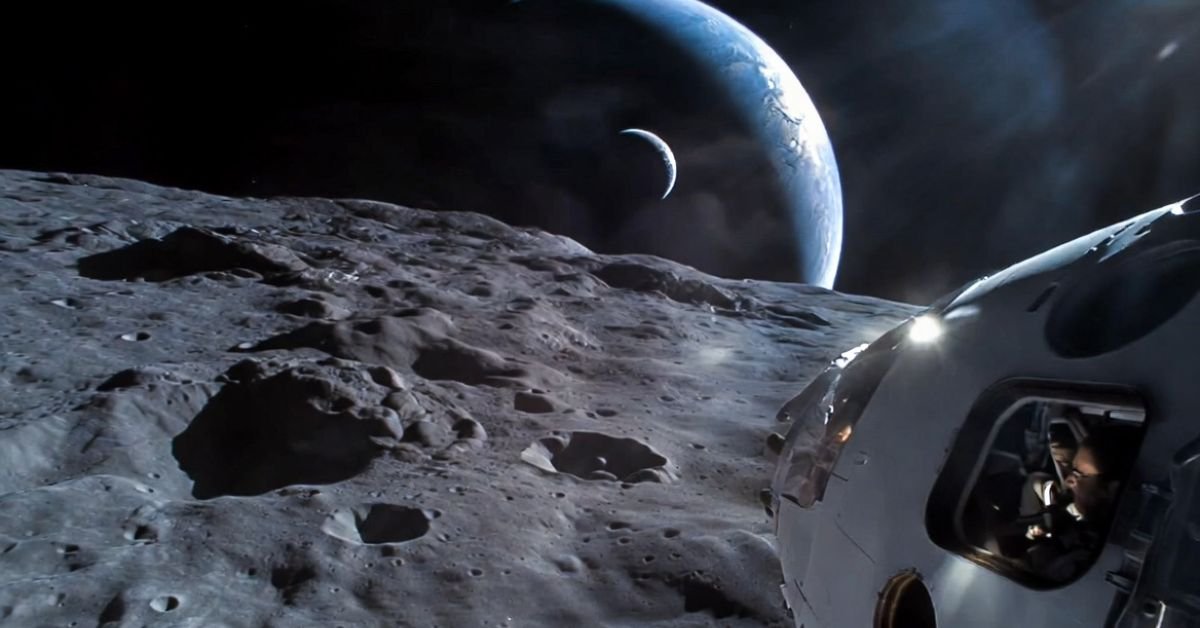
The four-person crew did not just orbit, they flew right past the mysterious far side of the Moon, snapping photos and making observations that are already inspiring the next generation of explorers.
What Was The Artemis 2 Mission?
Artemis 2 was NASA’s first crewed flight in the Artemis program, designed to test the Orion spacecraft in deep space before future landings.
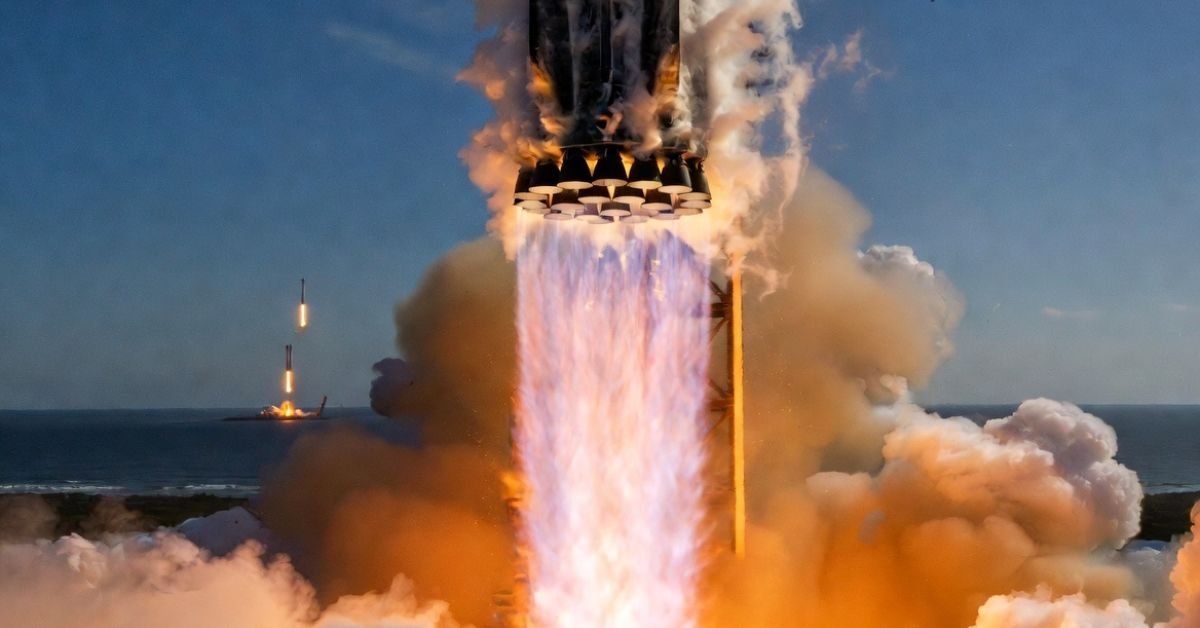
Launched on April 1, 2026, from Florida’s Kennedy Space Center, the mission lasted about 10 days.
The crew looped around the Moon, getting closer than any humans in decades, before splashing down safely in the Pacific Ocean on April 10.
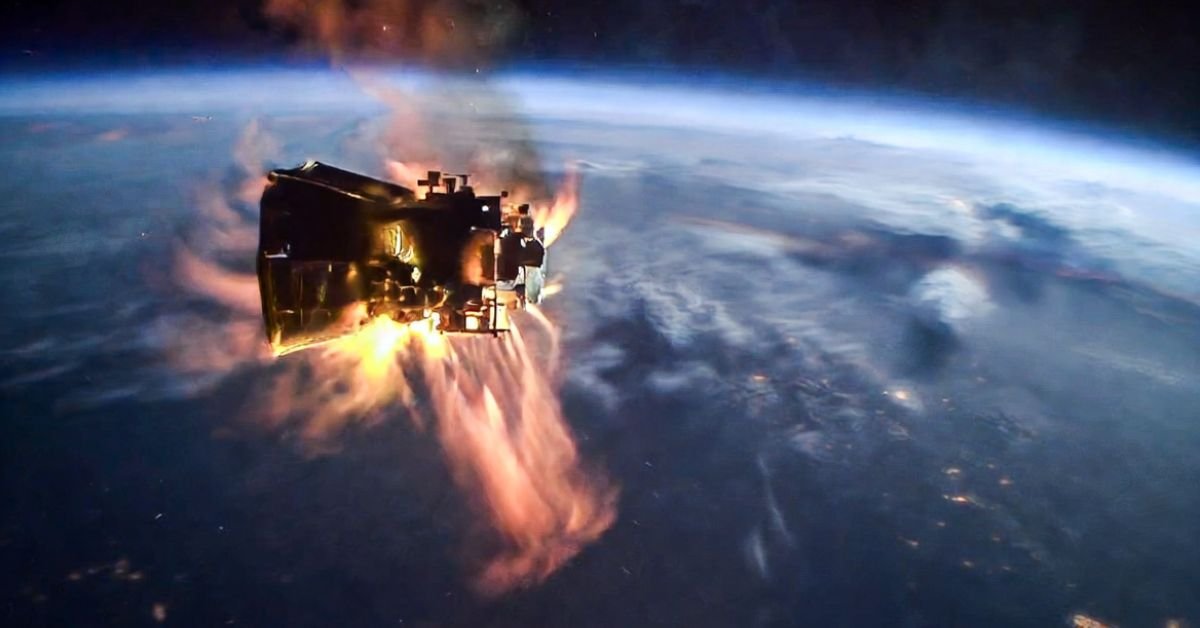
Unlike earlier uncrewed tests, this one put real people in the hot seat to check everything from life support systems to the heat shield during re-entry.
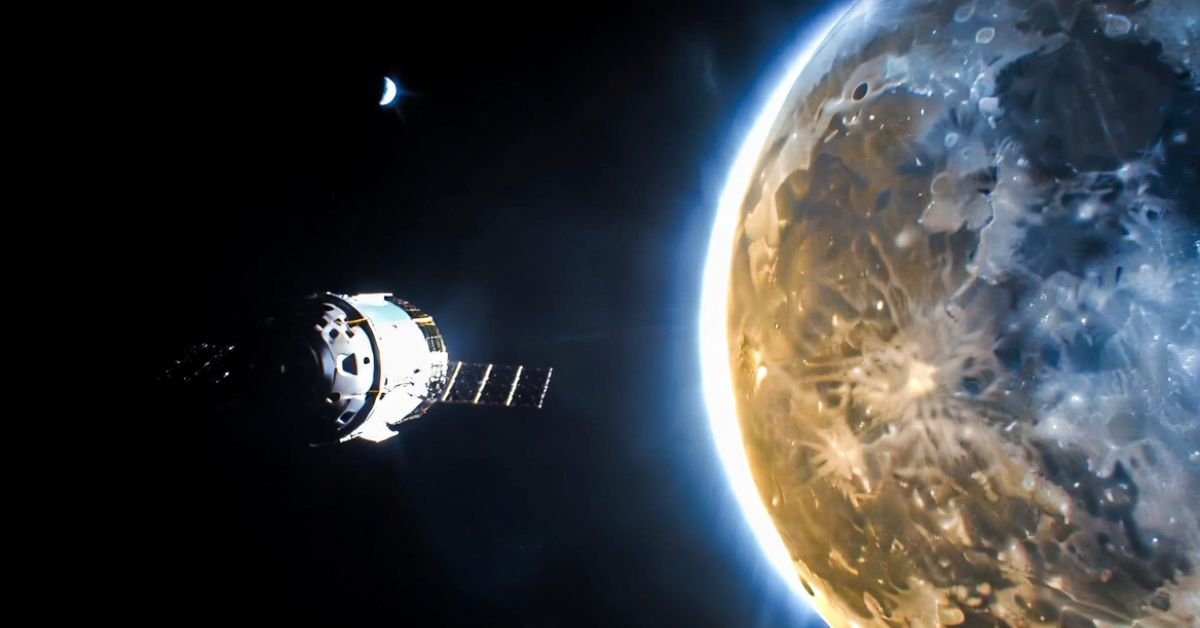
The highlight? A dramatic flyby of the Moon’s far side, where the spacecraft slipped behind the lunar body for about 40 minutes, losing radio contact with Earth.
It was a nail-biting yet exhilarating moment that showed just how far we have come in space travel.
Meet The Historic Crew
This was not just any team; it was a diverse group making several firsts together.
Here is a quick look:
| Astronaut | Role | Highlight |
|---|---|---|
| Reid Wiseman | Commander | Led the mission; named a lunar crater after his late wife, Carroll |
| Victor Glover | Pilot | First Black astronaut to travel to deep space |
| Christina Koch | Mission Specialist | First woman to fly in the Moon’s vicinity; record-holder for longest spaceflight |
| Jeremy Hansen | Mission Specialist | First Canadian on a lunar mission |
These astronauts brought years of experience, fresh perspectives, and a real sense of teamwork. During post-mission briefings, they described the trip as “spectacular” and shared how it felt to see our home planet set behind the Moon.
The Journey To The Far Side Of The Moon
The crew’s path took them farther from Earth than anyone before, reaching a record 252,756 miles away, beating the old Apollo 13 mark.
On April 6, they began their lunar flyby, aligning Orion’s windows for prime viewing.
They spent hours photographing the surface, noting colors, textures, and features like the massive Orientale Basin, the first time humans saw the entire thing with their own eyes.
What makes the far side special? Thanks to the Moon’s tidal lock, we never see it from Earth.
It is rugged, crater-filled, and full of surprises because it does not experience the same “weathering” as seen from Earth or from radio signals.
The crew captured everything from close-up crater shots to an in-space solar eclipse. One unforgettable image? Earthset, a glowing blue planet slipping behind the lunar curve, while they floated in silence on the far side.
Commander Wiseman even filmed a quick iPhone video of the Moon passing by, reminding us that space exploration can feel both high-tech and wonderfully human.
Why This Mission Matters For The Future
Artemis 2 was not just about pretty pictures.
It proved Orion can handle the rigors of deep space, from radiation exposure to high-speed re-entry.
The data will help NASA prepare for Artemis 3, which aims to land astronauts on the lunar surface, including the first woman and first person of color on the Moon.
This international effort (shout-out to our Canadian partner) also highlights how space exploration brings countries together.
The insights from the far side could unlock secrets about the Moon’s formation, water ice in shadowed craters, and even resources for future bases.
Imagine sustainable outposts that could support longer missions to Mars someday!
A Fun Trivia Fact To Spark Your Curiosity
Did you know the far side of the Moon is not actually “dark”? It gets just as much sunlight as the near side we see every night. The nickname “dark side” stuck because it is hidden from Earth, but Artemis 2 astronauts got a front-row seat to its sunlit craters and basins, proving it is full of light and wonder!
Wrapping Up This Lunar Adventure
What an incredible time to be alive and watching humanity reach for the stars again.
Artemis 2’s successful trip around the far side of the Moon is not the end; it is just the beginning of a new chapter in space exploration.
The crew’s stories, photos, and bravery remind us why we dream big: to learn more about our universe and our place in it.
If you enjoyed this deep dive into the Artemis 2 far side moon mission, check out more articles on space tech, future missions, and cool science made simple.
What is your favorite part of the journey, the Earthset views or the record-breaking distance? Drop a comment below, and let us keep the conversation going.
See you in the next adventure!
About Author