
Table Of Contents
The world’s most powerful individuals are quietly redefining luxury.
No longer limited to visible symbols such as designer goods or supercars, the latest status marker among billionaires, tech executives, and high-net-worth entrepreneurs is invisible: their biological age, VO₂ max levels, telomere length, and stem-cell vitality.
This emerging trend, often described as luxury longevity, sees the ultra-wealthy shifting their spending from traditional possessions toward extended healthspan, the period of life spent in optimal physical and cognitive condition.
A rapidly growing sector of longevity clinics, biohacking facilities, AI-driven wellness programmes, and specialised retreats is meeting this demand.
Industry analysts and luxury strategists report that health has become a defining luxury category, moving from private discussions in exclusive clubs to prominent coverage in global wealth reports.
The Numbers Behind The Shift
The global personal luxury goods market is projected to approach $440 billion, with the high-end wellness segment, including longevity clinics, advanced medical aesthetics, AI coaching, and “med-cation” retreats, recorded as the fastest-growing.
The sector has demonstrated strong resilience across economic cycles.
The number of billionaires worldwide has reached nearly 3,000, reflecting an 8.8% increase from the previous year.
Much of this new wealth stems from entrepreneurial success rather than asset inflation, producing a cohort of founders who apply systematic optimisation to every aspect of their lives, including their physical health.
According to UBS data, 91 heirs collectively inherited $297.8 billion in the latest reported wealth transfer, a 36% rise from the prior year.
This combination of new fortunes and generational transfers is fuelling demand for longevity-focused investments rather than conventional luxury items.
What The Ultra Wealthy Are Purchasing
Leading longevity clinics offer advanced services, including comprehensive biomarker analysis, whole-genome sequencing, full-body MRI scans, platelet-rich plasma infusions, stem cell therapies, and targeted peptide treatments for cellular repair.
Complementary biohacking programmes feature nootropic supplements, hyperbaric oxygen therapy, red-light therapy, controlled cold exposure, and weekly AI-adjusted nutrition plans based on real-time blood data.
Practitioners emphasise that the objective is not merely to extend lifespan but to maximise healthspan, preserving peak performance well into later decades.
Clients seek additional years that replicate the vitality typically associated with their thirties.
The Clinic Price List
- SHA Wellness, Spain — €8,000 to €15,000 per week, including stem-cell infusions, genomic assessment, and personalised longevity protocols.
- Vivamayr, Austria — €10,000+ per week, focusing on cellular repair, advanced diagnostics, and metabolic optimisation.
- Six Senses, Global — $1,000 to $5,000 per quarterly cycle, offering biohacking lounges, wearable data analysis, recovery programmes, and aesthetics.
- AI Coaching Subscriptions — $500 to $5,000 per month, providing custom protocols with expert oversight and real-time biometric monitoring.
Luxury Hospitality Evolves Into Medical Grade Wellness
The premium hospitality sector has responded swiftly to the trend.
Traditional five-star hotels are being repositioned as sophisticated wellness destinations equipped with clinical-grade facilities.
Properties operated by Six Senses, for example, now include dedicated biohacking lounges where guests review data from devices such as Oura Rings or WHOOP bands alongside practitioners.
The focus is on creating highly personalised protocols for sleep, nutrition, and recovery.
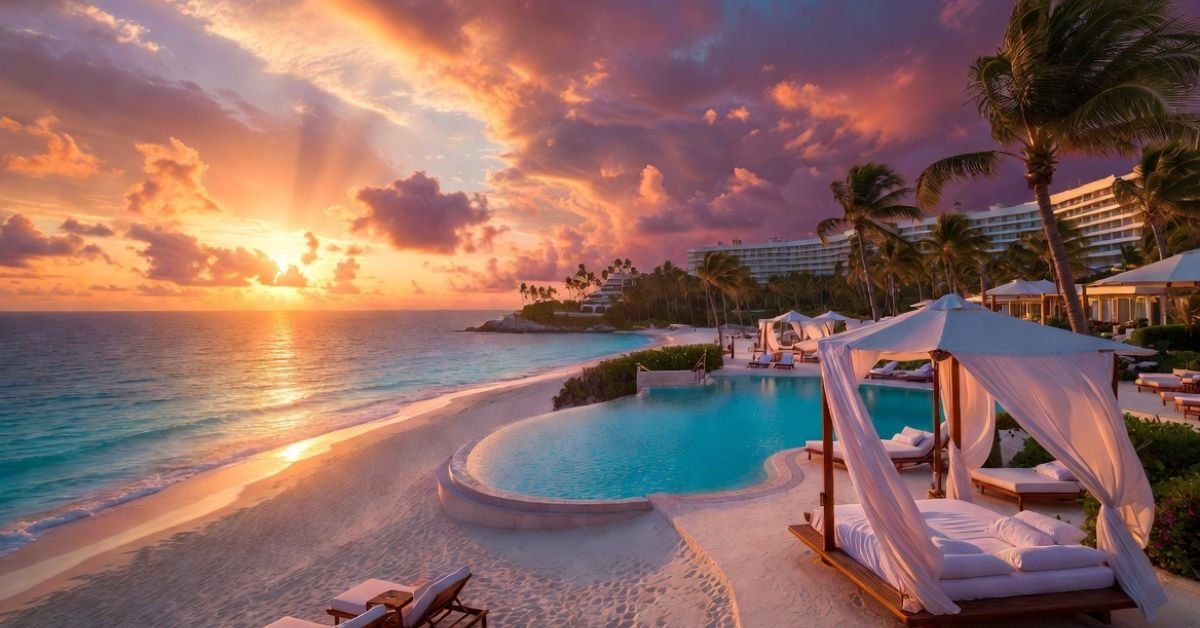
The concept of “med-cation”, a vacation designed to produce measurable health improvements, is gaining traction.
Guests evaluate these experiences based on data-driven outcomes rather than traditional leisure metrics.
Longevity Residences Redefine The Home
For the highest-net-worth tier, dedicated travel is becoming less necessary.
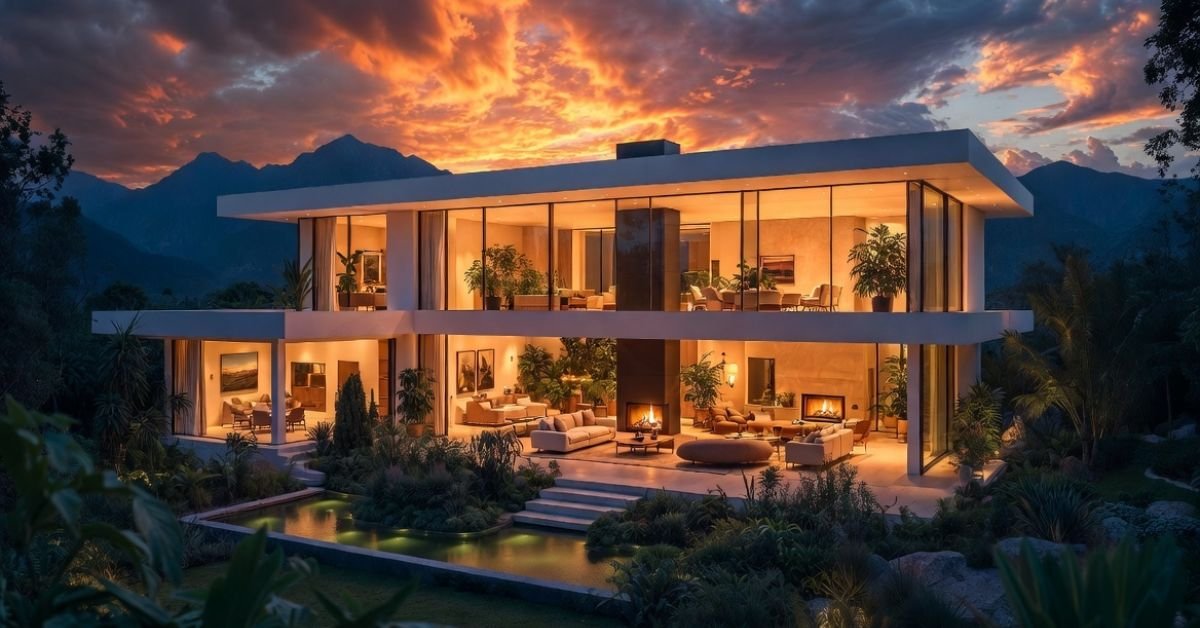
A new category of luxury real estate, known as longevity residences, integrates medical-grade wellness infrastructure directly into private homes.
These properties feature AI-powered health monitoring systems, circadian lighting aligned with individual biorhythms, cryotherapy suites, IV lounges, and on-demand concierge medical services, all within architecturally distinguished settings.
Developments such as The Estate, Elysium Fields in Australia, Velvaere in Utah (incorporating early-detection diagnostics from Fountain Life), and Tri Vananda in Thailand are creating entire communities centred on longevity principles.
The Global Wellness Summit has noted in its flagship report that longevity is transitioning from an occasional service to an integrated lifestyle.
Gen Z Embraces Longevity Early
The trend spans generations.
While older executives often prioritise stem-cell therapies and genomic sequencing, affluent Gen Z consumers are 84% more likely to increase their wellness spending than two years ago, according to multiple luxury trend surveys.
Younger high-net-worth individuals focus on cognitive resilience coaching, hormone optimisation, and mental performance enhancement, frequently delivered through AI-powered applications priced between $500 and $3,000 per month.
Across age groups, there is a shared move away from traditional status symbols toward investments that deliver tangible improvements in physical and mental capacity over the long term.
A New Definition Of Luxury
The concept of luxury is evolving beyond the traditional centres of fashion and watchmaking.
Clinics in Switzerland, biohacking facilities in Singapore, longevity communities in Utah, and wellness resorts on the Balearic coast are emerging as the new frontier.
Forward-looking brands in the luxury sector are those capable of delivering engineered health outcomes rather than material objects.
While money has long struggled to buy health, the expanding longevity industry is positioning itself to bridge that gap, with programmes now priced from $20,000 per week and rising.
About Author