
The United States marks Earth Day 2026 under the global theme “Our Power, Our Planet.”
A growing gardening movement is transforming backyards, balconies, rooftops and community plots from coast to coast.
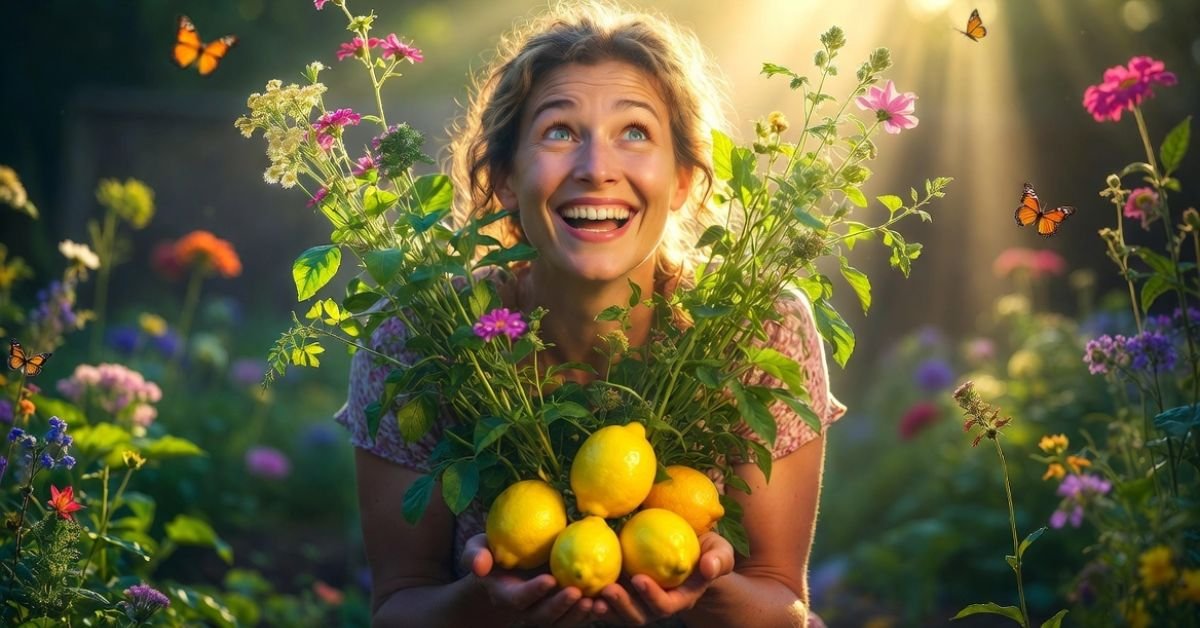
Known as “Lemonading,” the trend encourages Americans to turn everyday stresses, extreme weather, busy schedules and climate anxiety into opportunities for joyful, resilient green spaces.
The term, a playful twist on the proverb “when life gives you lemons, make lemonade,” gained national attention through the 2026 Garden Trends Report by the Garden Media Group.
Instead of pursuing flawless, Instagram-ready gardens, “Lemonading” emphasizes meaningful, low-maintenance spaces that support mental wellness, local biodiversity and personal resilience.
“Gardening in 2026 is less about perfection and more about purpose,” said Kelly Funk, president and CEO of Jackson & Perkins, one of America’s leading rose and plant companies.
“People are creating gardens that reflect real life, places where they can decompress after work, connect with nature and quietly contribute to a healthier planet.”
The movement arrives at a pivotal moment.
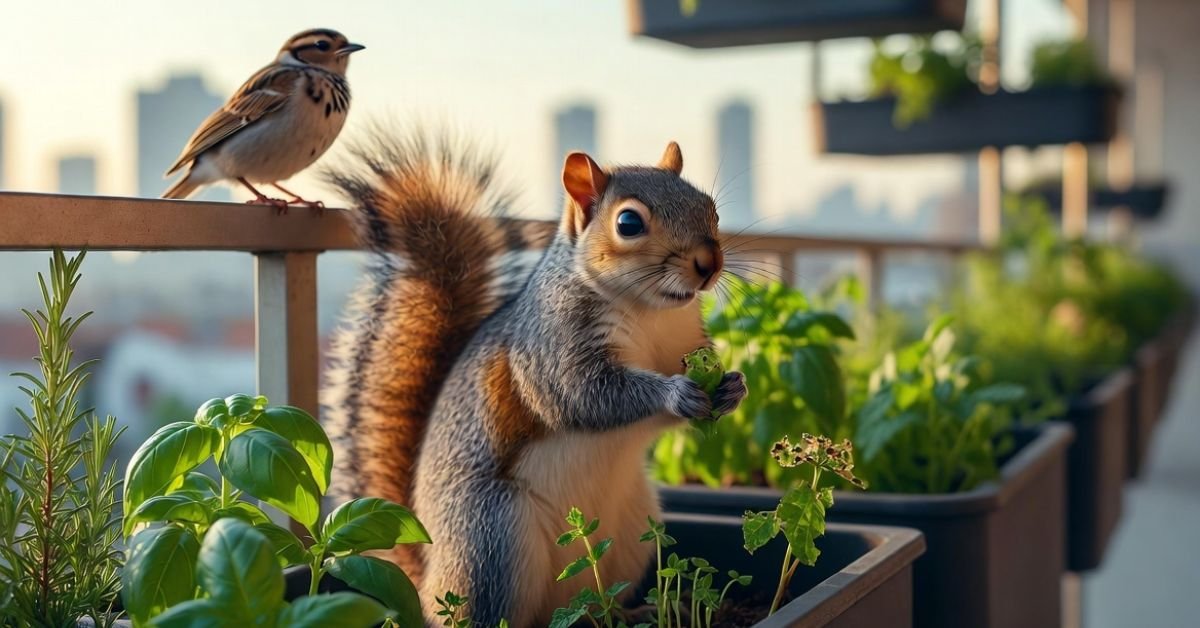
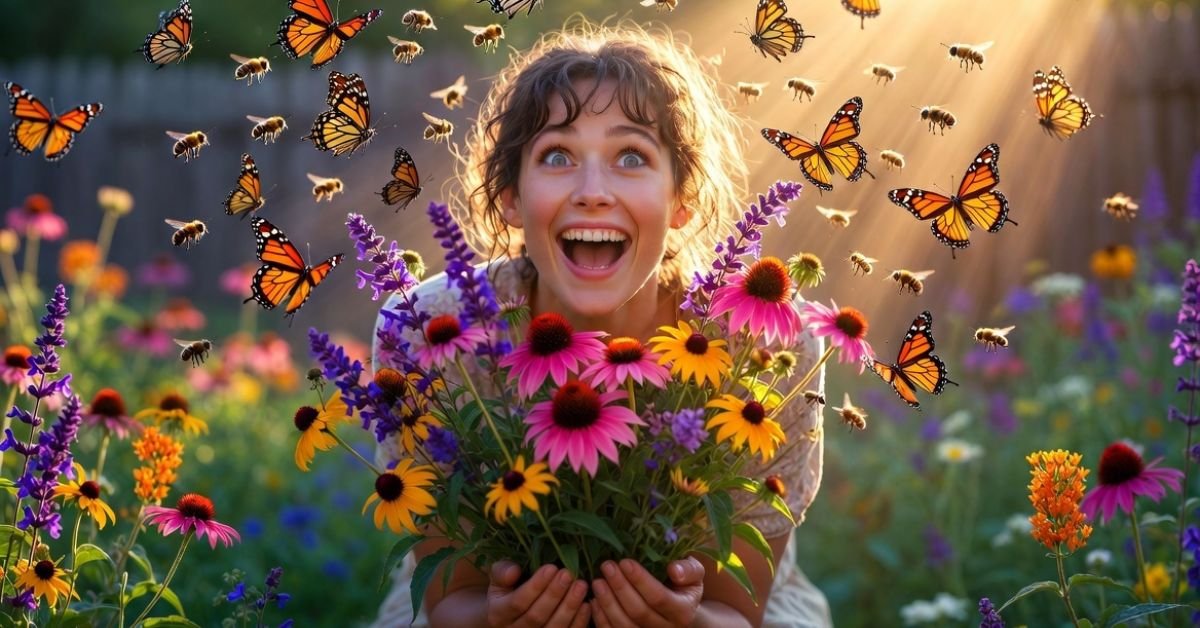
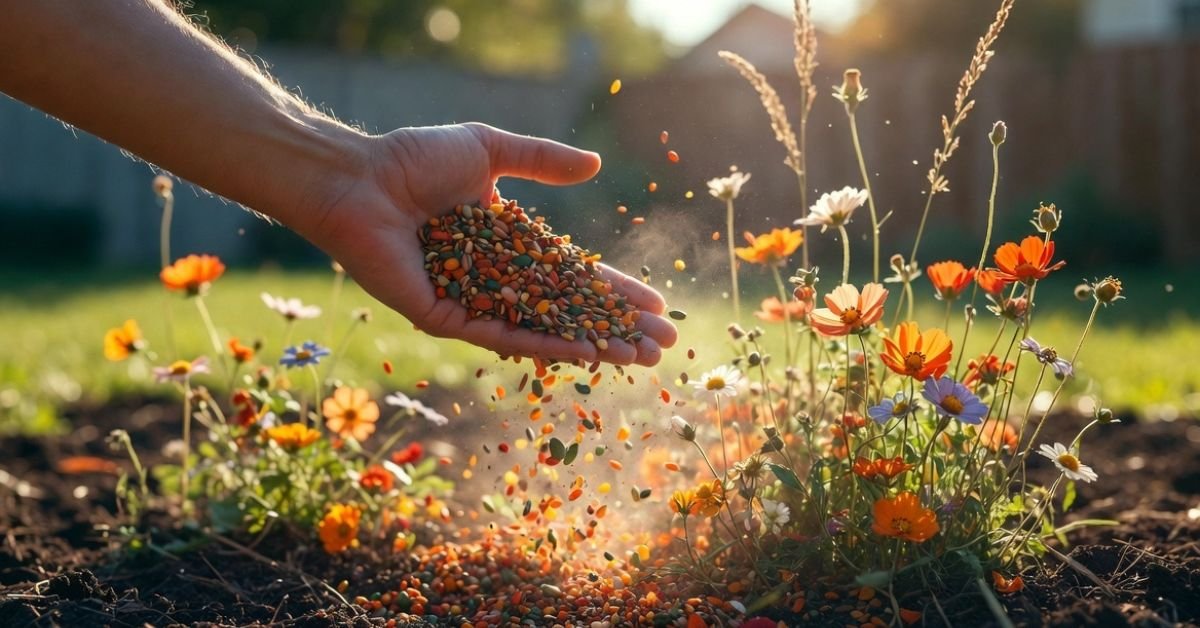
With record heat waves, shifting weather patterns and a renewed national focus on sustainability, gardeners across the country are prioritizing native plants to support declining pollinator populations, installing small rain gardens, building compost systems and designing habitats for bees, butterflies and birds.
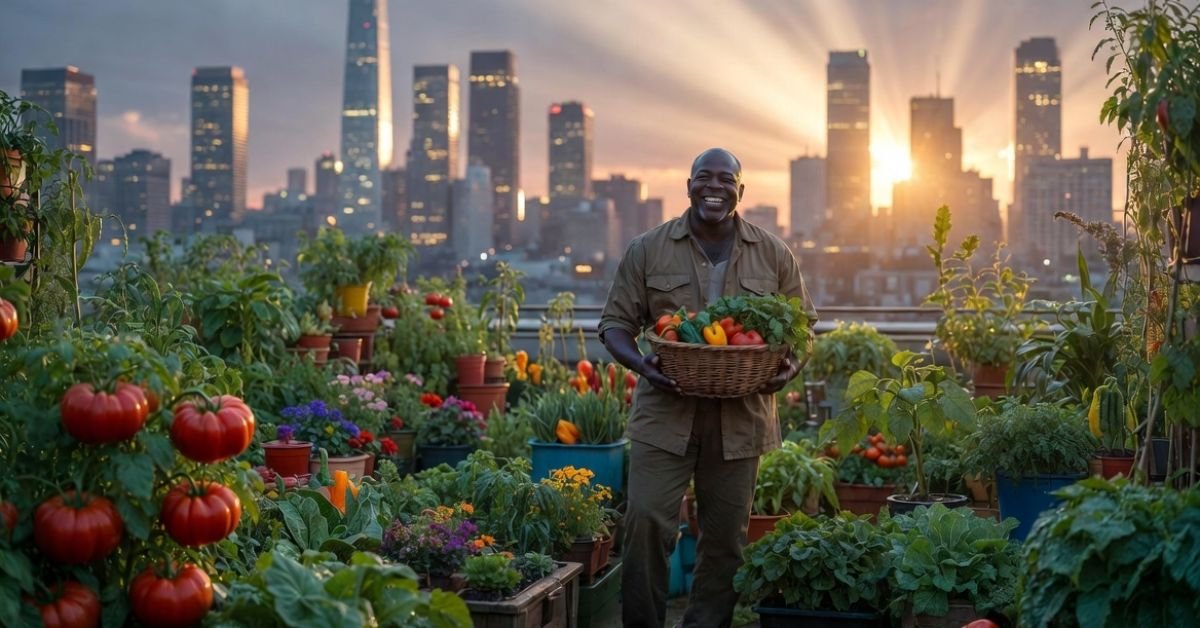
From suburban neighborhoods in the Midwest to high-rise terraces in New York City and Los Angeles, the approach is deliberately accessible.
Young professionals and millennials are driving much of the momentum.
Many describe their gardens as daily acts of self-care and quiet activism, watering drought-tolerant perennials after a long workday, watching a wildflower patch come alive in a container or teaching children about sustainability in a small urban plot.
Horticultural experts say “Lemonading” perfectly aligns with America’s post-pandemic priorities: spaces that nourish both the environment and the human spirit.
These resilient gardens also offer practical benefits, helping homeowners adapt to changing climate conditions while reducing household carbon footprints.
On this Earth Day, millions of Americans are stepping outside not merely to plant a tree or join a park cleanup, but to practice something more personal: turning ordinary soil and daily challenges into sources of hope, self-sufficiency and celebration.
Local garden centers, university extension services and community organizations are offering free “Lemonading” starter kits, native-plant workshops and online guides throughout the week.
The message is simple: start small, stay joyful and let your garden grow with you.
About Author