
Table Of Contents
America’s Urban Gardening Boom: Ron Finley’s Tips
From New York City rooftops to Los Angeles backyards and Chicago community plots, a vibrant green movement is reshaping urban America.
Urban gardening, the practice of growing vegetables, herbs, fruits, and flowers in densely built city environments, has surged in popularity.
As apartment living becomes the norm and concerns over food costs, supply chain issues, and climate change intensify, Americans are reclaiming limited spaces to grow their own food.
The trend has reached new heights in 2026, fueled by expanded community greening programs, regenerative agriculture initiatives, and a national push for sustainable living.
What began as a niche hobby is now a mainstream lifestyle choice, delivering tangible benefits for health, finances, and the environment.
What Is Urban Gardening And Why Does It Matter In 2026
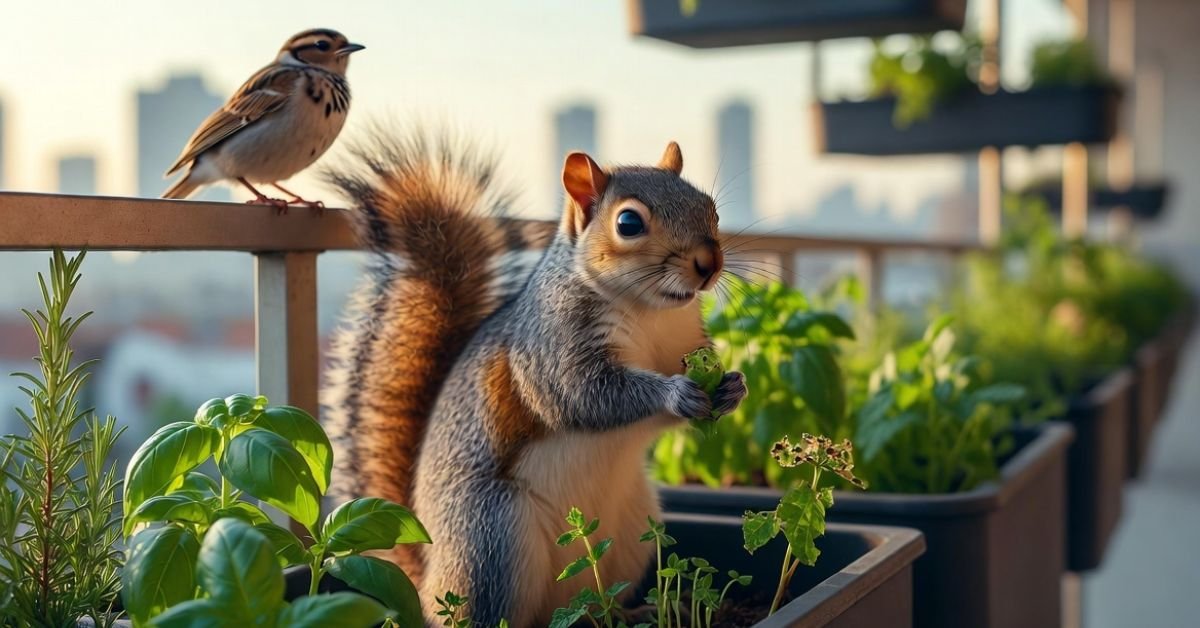
Urban gardening involves cultivating plants in non-traditional city settings, from container pots on balconies and raised beds on rooftops to vertical wall systems and shared community gardens.
With techniques adapted to America’s diverse climates, from the humid Southeast to the shorter growing seasons of the Northeast and Midwest, it has never been more accessible.
This year, the movement aligns perfectly with broader goals of food security, climate resilience, and personal wellness.
It helps address food deserts in underserved neighborhoods, reduces dependence on commercial supply chains, and combats the urban heat island effect.
Even small efforts can create meaningful change, transforming concrete landscapes into productive, edible ecosystems.
Key Benefits For American City Dwellers
The rewards go far beyond homegrown produce.
Families are harvesting pesticide-free tomatoes, peppers, leafy greens, and fresh herbs directly from their patios or terraces, resulting in healthier meals and noticeable savings at the grocery store.
Many also report reduced stress levels and a renewed sense of connection to nature through daily gardening routines.
Here is a clear overview of the main advantages:
| Benefit | Impact In US Urban Settings | Measurable Outcome |
|---|---|---|
| Fresh, Chemical-Free Food | Home-grown vegetables and herbs | Healthier diets with fewer store trips |
| Temperature Regulation | Rooftop and balcony plants reduce heat | Noticeable drop in indoor temperatures |
| Mental Health Support | Regular gardening eases stress | Improved mood and well-being for professionals |
| Financial Savings | Low ongoing costs after setup | Hundreds of dollars saved annually |
| Environmental Gains | More greenery fights pollution | Boosted biodiversity and cleaner air |
A well-managed one-square-metre urban garden can yield up to 20 kg of fresh produce each year, proving that even tiny spaces can be surprisingly productive.
Popular Urban Gardening Approaches In US Cities
Innovation is thriving in 2026.
Vertical gardening maximizes limited floor space with wall-mounted planters and trellises, while hydroponic and aquaponic systems enable soil-free indoor growing, especially popular among busy urban professionals.
Foodscaping, which blends edible plants with ornamental flowers, creates beautiful, functional outdoor spaces.
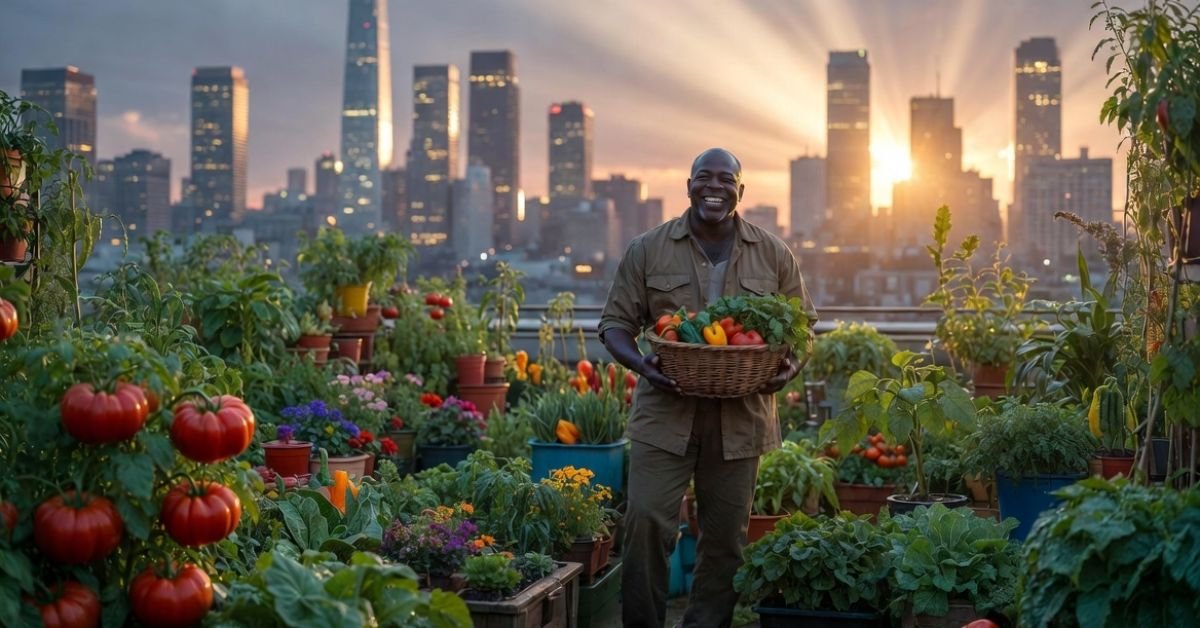
Rooftop gardens are multiplying in high-rise districts, and new residential developments in neighborhoods like Brooklyn, Los Angeles, and Atlanta are now incorporating dedicated green zones from the planning stage.
Community gardens continue to strengthen neighborhood bonds through shared harvests and hands-on workshops.
Spotlight On Trailblazer Ron Finley
Few names embody the spirit of urban gardening like Ron Finley, famously known as the “Gangsta Gardener.”
Working from South Central Los Angeles, Finley turned neglected parkway strips into lush edible gardens through his Ron Finley Project.
He has inspired countless Americans to grow food anywhere possible, converting food deserts into thriving food sanctuaries.
His philosophy centers on empowerment: teaching people to cultivate their own nutrition, regenerate urban land, and build stronger communities.
Finley’s message is refreshingly straightforward: gardening is creative, accessible, and even revolutionary, no matter your background or the size of your space.
Practical Guide To Starting An Urban Garden
Getting started is easier than most people think.
Follow this step-by-step approach tailored to American city conditions:
- Evaluate your space — Choose spots that receive 4–6 hours of sunlight each day.
- Select the right containers — Grow bags, pots, or vertical planters with excellent drainage help prevent problems during heavy rains or dry spells.
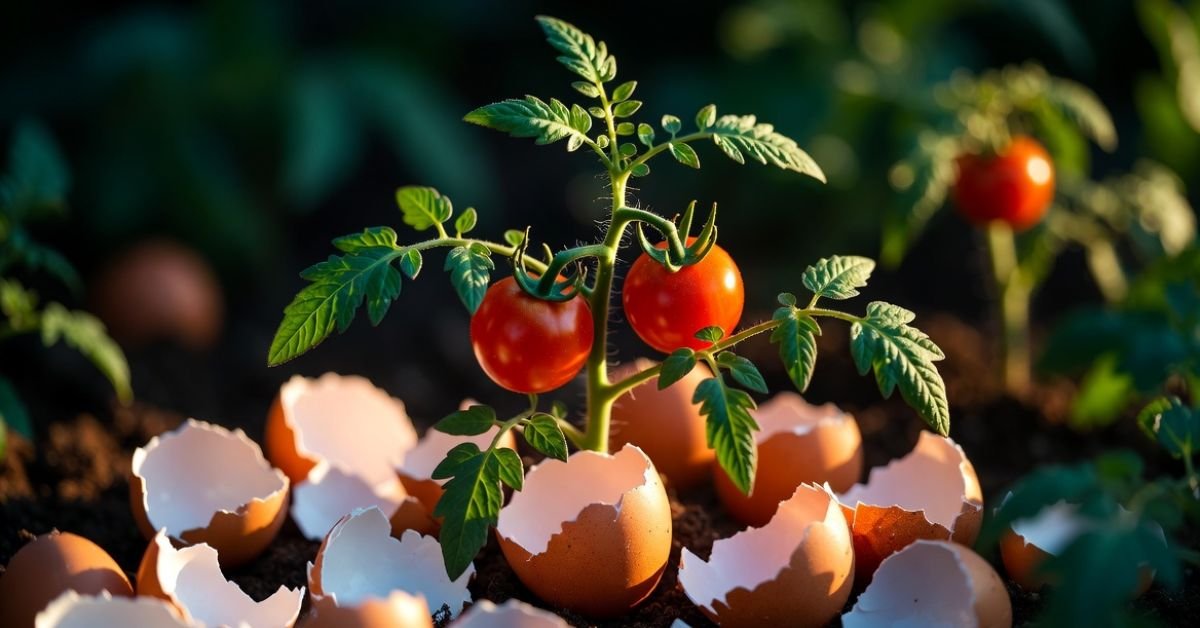
- Choose beginner-friendly crops — Tomatoes, peppers, lettuce, basil, kale, and compact berry shrubs perform well in most regions.
- Optimize soil and watering — Use a high-quality potting mix enriched with compost. Drip irrigation or self-watering systems conserve water and reduce daily maintenance.
- Tackle common challenges — Rely on natural pest controls like neem oil and add shade cloth during intense summer heat.
Many gardeners also repurpose everyday household items such as buckets or old containers, keeping costs low and embracing zero-waste living.
Interesting Trivia
One square metre of a carefully maintained urban garden can produce as much as 20 kg of fresh produce per year, a striking reminder of how much impact even the smallest green space can deliver.
Embracing A Greener Urban Future
Urban gardening offers far more than a hobby.
It delivers fresher food, cooler living spaces, stronger mental wellness, and a meaningful contribution to community resilience and climate goals.
As American cities continue to grow and evolve, these grassroots green efforts are helping create more sustainable, livable neighborhoods for everyone.
At THOUSIF INCORPORATED, we love sharing practical ideas that make sustainable living simple and fun.
Whether you envision a full rooftop oasis or just a few pots of herbs on your balcony, 2026 is the perfect time to get your hands in the soil.
For more insights into sustainable living, urban innovation, and everyday lifestyle solutions, explore the other articles on our website.
We would love to hear about your gardening journey and share your experiences in the comments below.
Your story might just inspire the next wave of urban growers.
Happy planting!
About Author