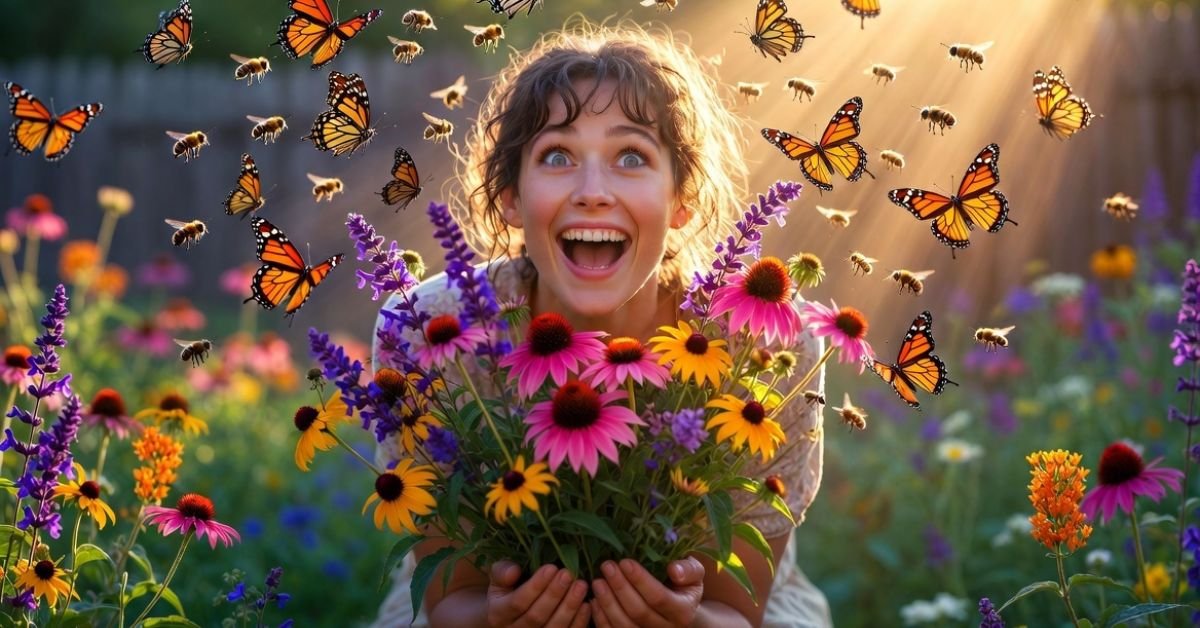

As the United States celebrates Earth Day 2026 under the theme “Our Power, Our Planet,” a powerful gardening movement is sweeping the country: the rapid rise of pollinator-friendly gardens designed to support declining bee, butterfly and bird populations.
From suburban backyards in the Midwest to rooftop terraces in New York and community plots in California, Americans are increasingly choosing native plants and wildflower mixes that provide essential food and habitat for pollinators.
According to the 2026 Garden Trends Report by the Garden Media Group, pollinator gardens have seen a more than 40% increase in popularity this year, driven by growing awareness of the critical role these insects play in food production and ecosystem health.
“Planting for pollinators is one of the most effective things everyday gardeners can do for the planet right now,” said Dr. Laura Riley, entomologist and director of the Pollinator Partnership.
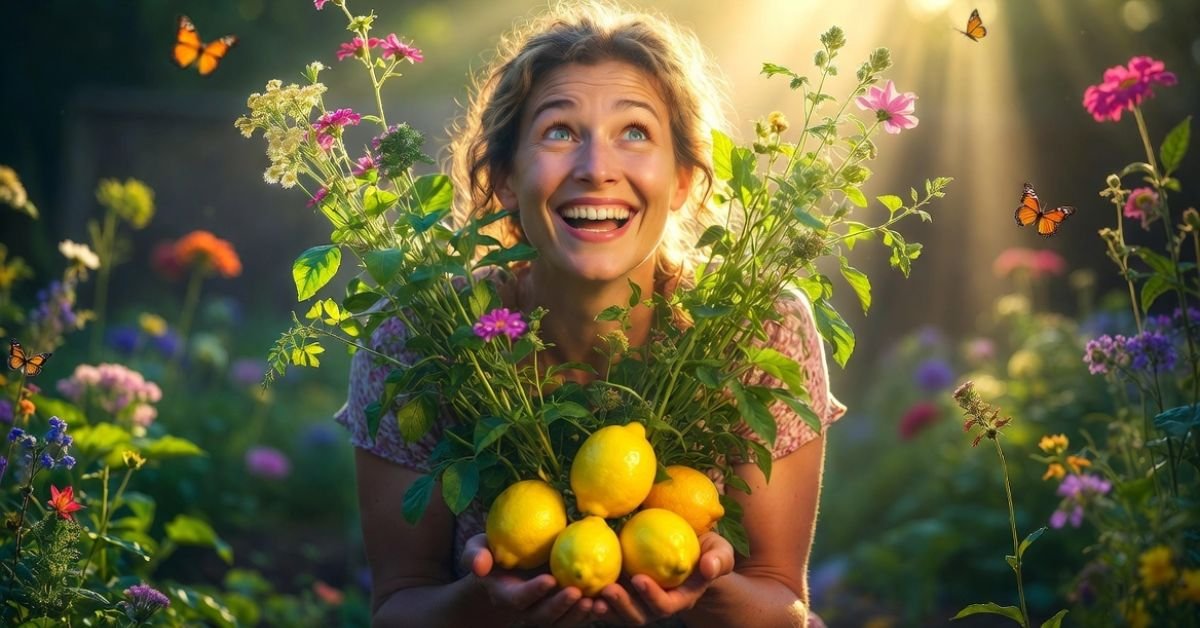
“Native plants like milkweed, coneflower, black-eyed Susan and salvia do not just look beautiful, they create living corridors that help reverse the decline of bees and butterflies across North America.”
The trend aligns perfectly with Earth Day’s call for collective environmental action.
Gardeners are installing small rain gardens, leaving patches of “messy” wild areas, and replacing traditional lawns with diverse native perennial beds.
These gardens require less water and maintenance while delivering stunning seasonal color, a win for both wildlife and busy homeowners.
The movement is especially strong among younger Americans and urban dwellers.
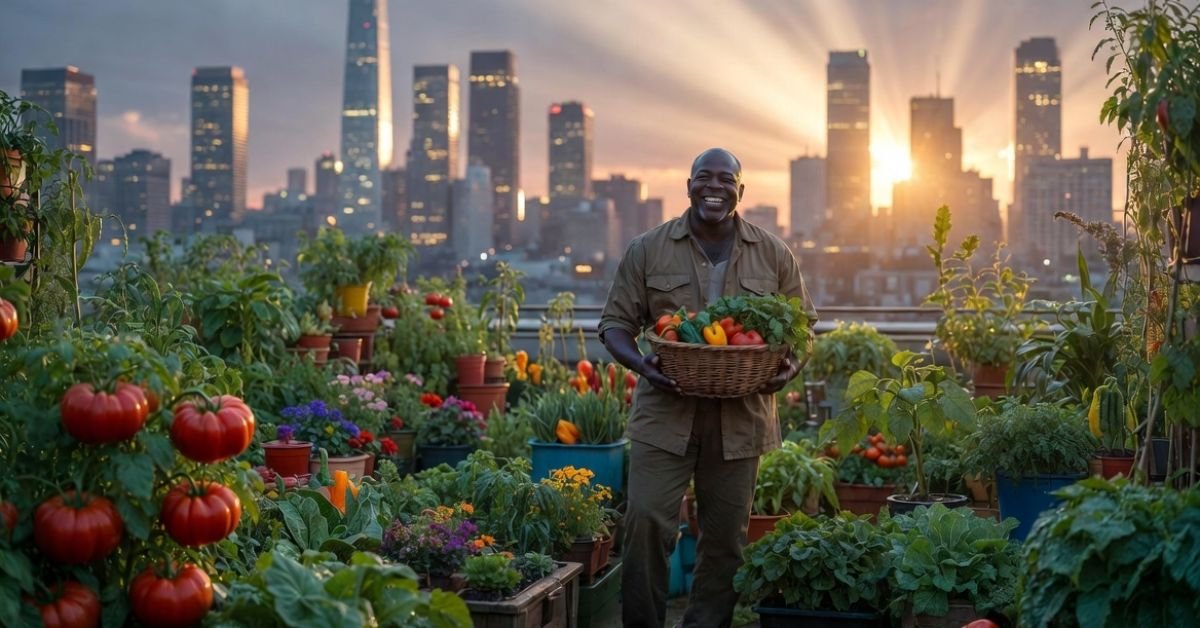
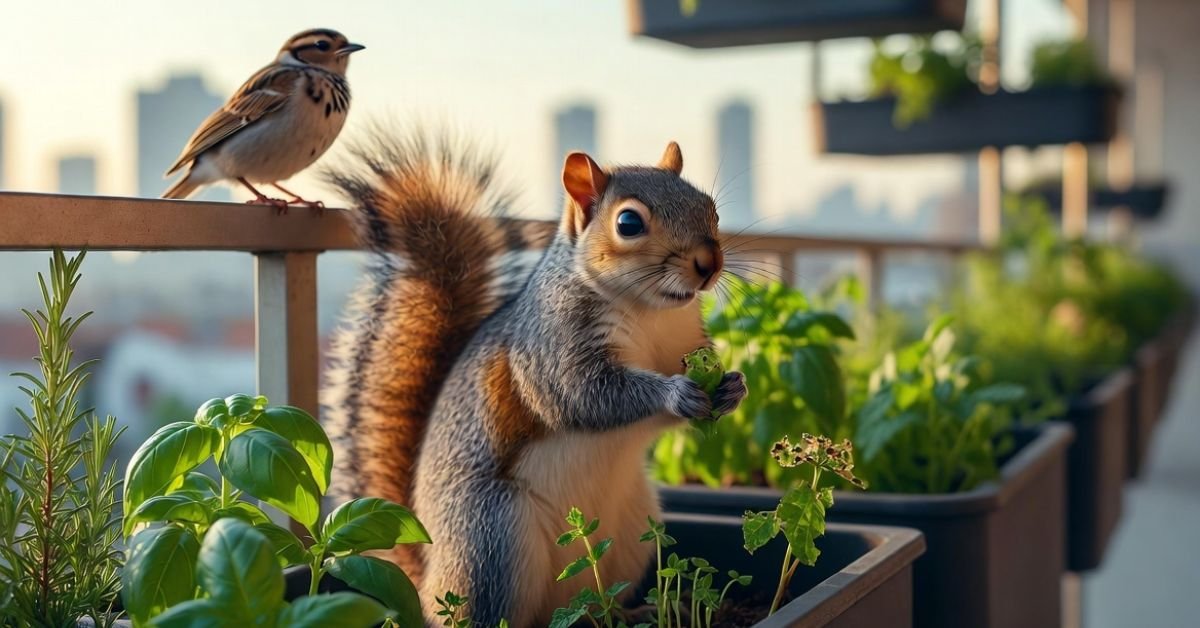
City residents with limited space are turning balconies, windowsills and community gardens into miniature pollinator havens using container-friendly native species.
Many report the simple act of watching bees and butterflies return to their yards as deeply rewarding, a daily reminder of nature’s resilience.
Experts emphasize that even small changes matter.
A single window box filled with native flowers or a backyard border of pollinator plants can make a measurable difference.
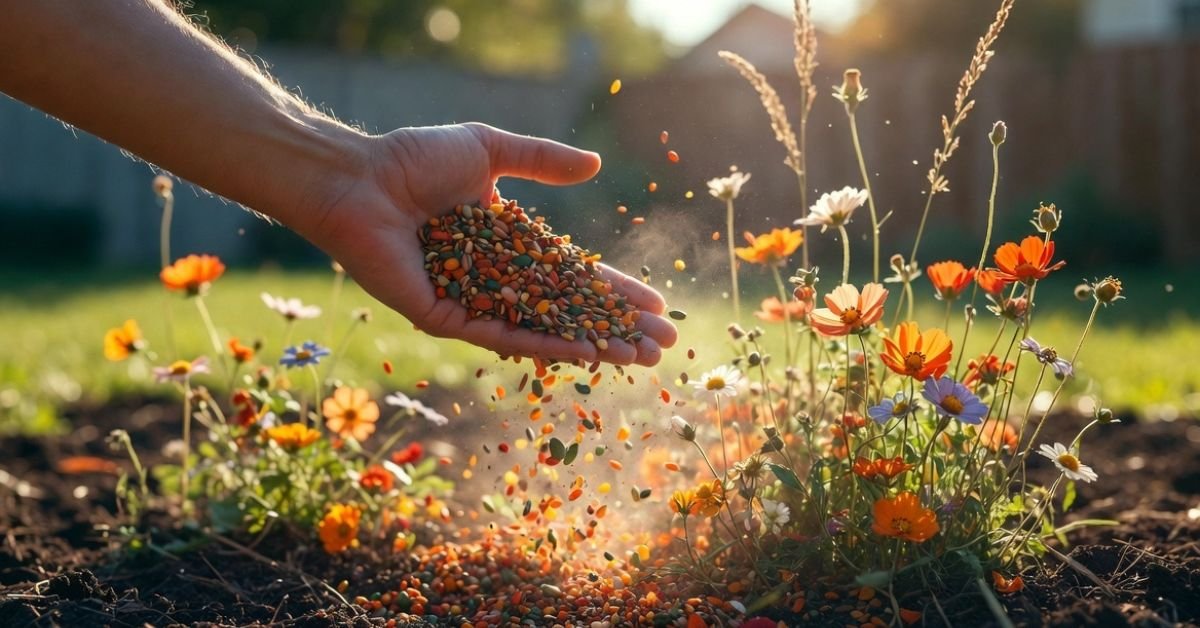
National organizations and local extension services are responding with free seed packets, planting guides, and “Pollinator Pledge” campaigns running throughout Earth Week.
On this Earth Day, as millions step outside to connect with nature, the message is clear: one garden at a time, Americans are turning their outdoor spaces into vital lifelines for the pollinators that sustain our food, our flowers, and our future.
Local garden centers and online native-plant suppliers are reporting record demand for pollinator starter kits this week.
For those ready to join the movement, the advice is simple: choose native plants, plant locally, and watch life return to your garden.
About Author