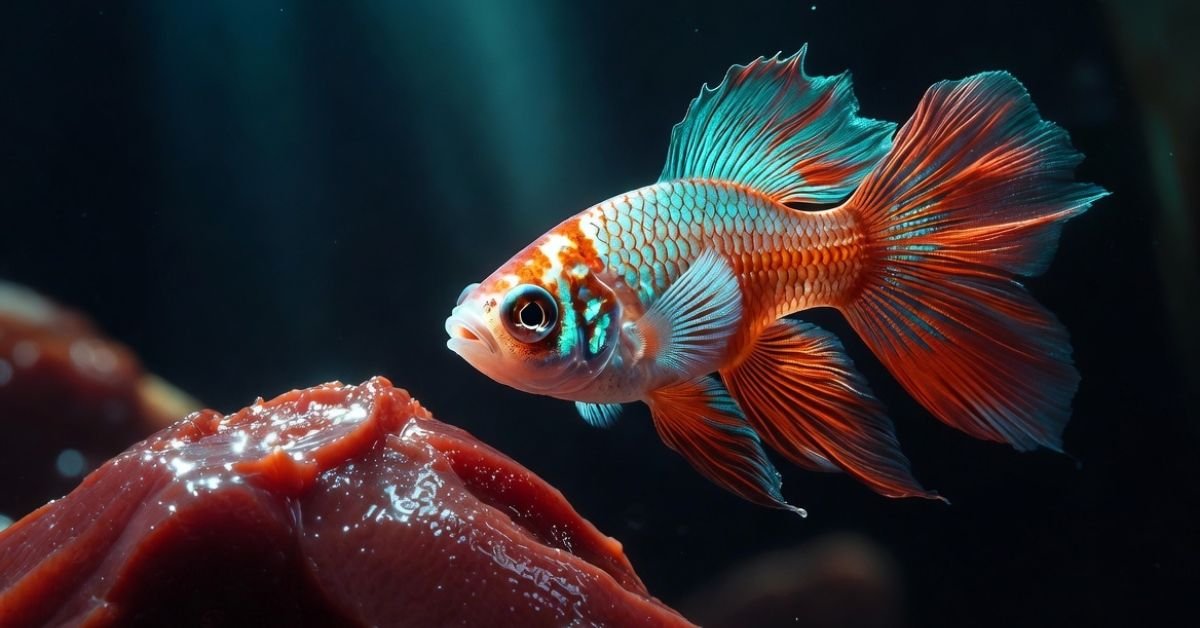

In the world of freshwater aquariums, guppies (Poecilia reticulata) remain among the most popular and prolific livebearers.
Valued for their vibrant colors, resilience, and ease of care, these fish give birth to fully formed fry rather than eggs.
Gestation typically spans 21 to 30 days, depending on water temperature and the female’s overall condition.
For breeders and enthusiasts alike, recognizing the final stages of pregnancy is critical to ensuring the safety and survival of the newborns, which are often at risk of predation by tankmates, including the mother herself.
As delivery nears, usually within 24 to 48 hours, female guppies display a combination of distinct physical changes and behavioral cues.
These reliable indicators allow aquarists to prepare in advance and significantly improve fry survival rates.
Physical Indicators Of Late Stage Pregnancy
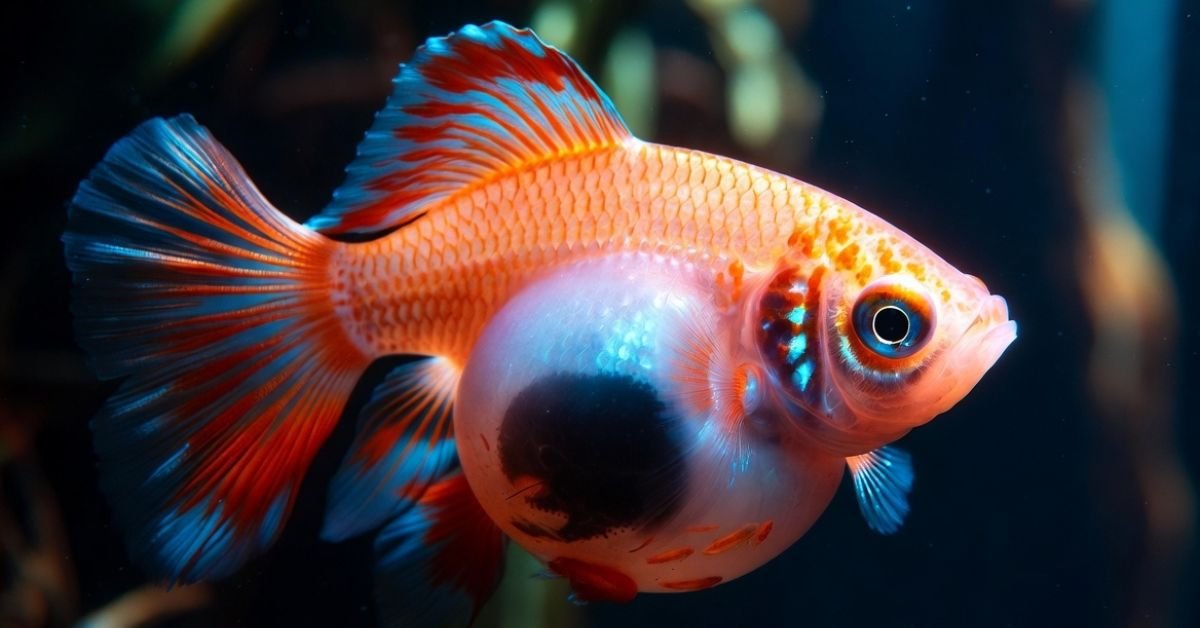
The most dependable sign is the darkening and enlargement of the gravid spot, a triangular or crescent-shaped area located near the anal fin on the underside of the belly.
In the final hours or days before birth, this spot becomes markedly darker, often turning nearly black or deep maroon and more prominent.
In lighter-colored or semi-transparent females, the outlines or tiny eyes of the developing fry may even become visible through the abdominal wall.
Equally significant is the transformation of the female’s abdomen.
The belly, which swells gradually during gestation, assumes a distinctly “boxy” or squared-off appearance, particularly toward the rear.
This angular shape is a clear marker of late-stage pregnancy and differs noticeably from temporary fullness after feeding.
Behavioral Clues Signaling Imminent Labor.
Observable shifts in behavior frequently accompany these physical changes.
Expectant females often seek seclusion, retreating to dense plant cover, tank corners, or the substrate.
Additional indicators include rapid or labored breathing, loss of appetite, and subtle signs of contractions such as tail flicking, shivering, or irregular swimming patterns.
Preparing For A Successful Delivery
When multiple signs appear together, aquarists should take prompt action.
Gently transferring the female to a dedicated breeder box or a separate birthing tank equipped with ample live or artificial plants provides essential shelter for the fry.
While experienced keepers may choose to leave a heavily planted community tank undisturbed, isolation remains the most effective way to protect the next generation.
Newborn guppies emerge individually or in rapid succession and are independent immediately upon birth.
Providing them with infusoria, powdered fry food, or newly hatched brine shrimp ensures optimal nutrition in the early stages.
Delivery is typically completed within a few hours, after which the mother can usually be returned to the main aquarium.
A clear understanding of these signs enables responsible breeding management and helps prevent overpopulation.
For those wishing to limit reproduction, separating males from females or maintaining densely planted tanks offers practical, low-intervention solutions.
With attentive observation, each guppy birth can become a rewarding experience, turning a natural biological event into a highlight of aquarium keeping for enthusiasts worldwide.
About Author