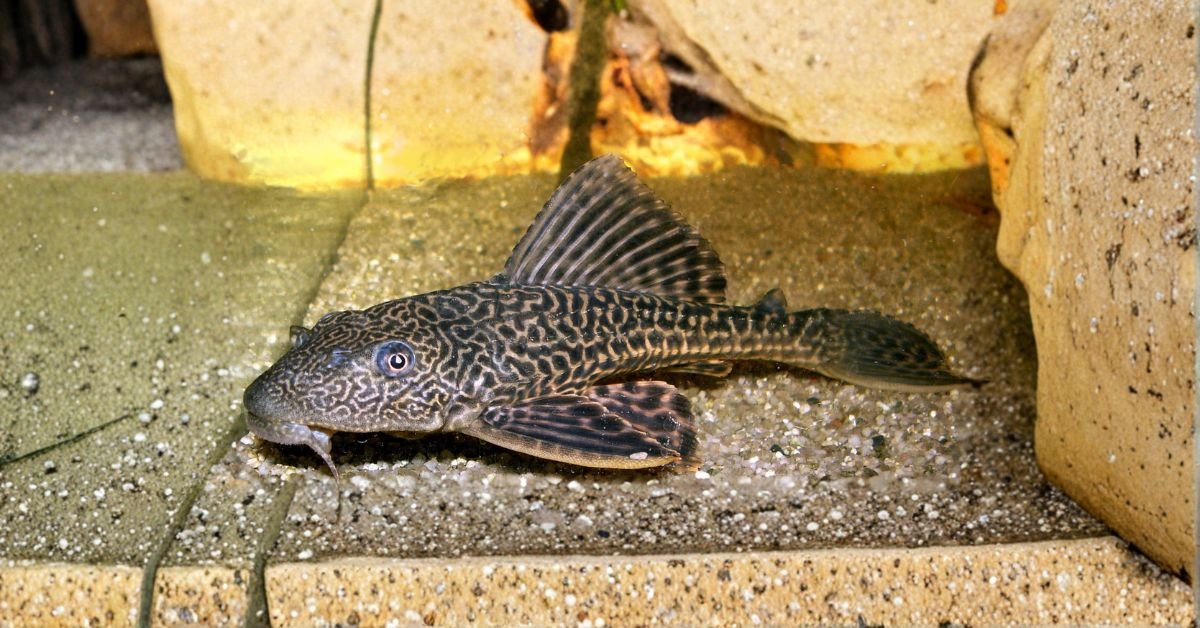

Reports from aquarium hobbyists across the United States indicate that plecostomus, commonly known as plecos, frequently consume chicken when offered in home aquariums.
These South American catfish, long marketed as primary algae eaters and tank cleaners, exhibit opportunistic omnivorous feeding behavior, including poultry-based foods.
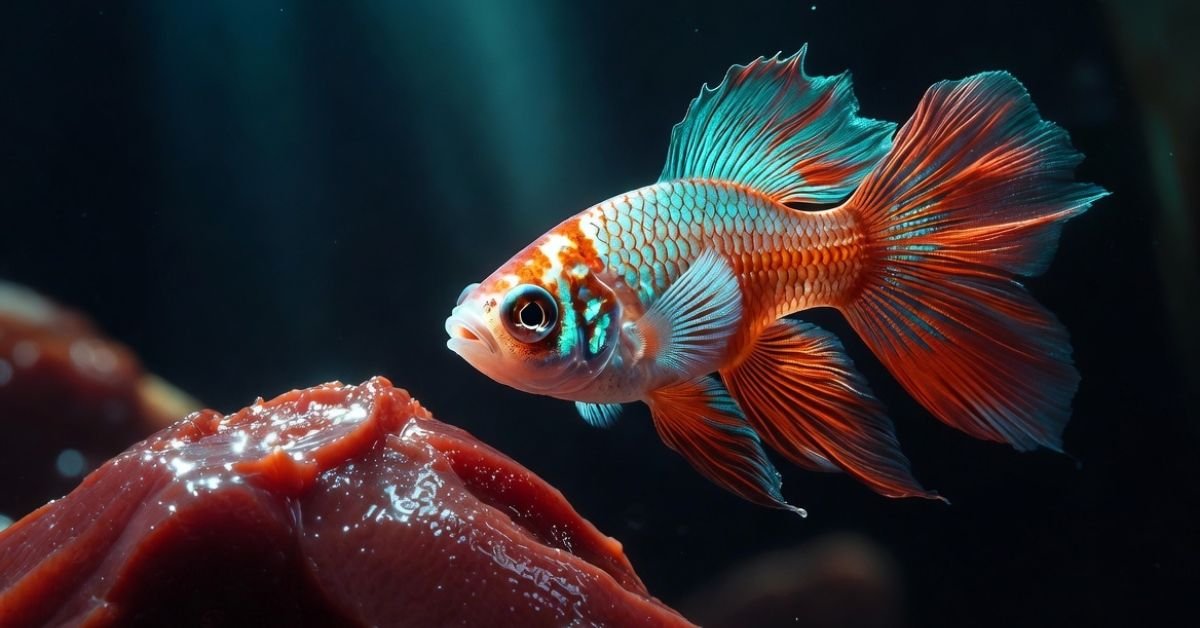
Aquarium forums such as MonsterFishKeepers, Aquarium Co-Op, FishLore, and Reddit communities r/Aquariums and r/pleco document numerous accounts of plecos, including common, clown, and bristlenose varieties, consuming canned chicken breast, gizzards, liver, and other poultry items.
Similar observations are seen in user-generated videos on YouTube and TikTok, where the fish are seen rasping and ingesting chicken pieces introduced into the tank substrate.
According to Petco’s official care guidelines, plecostomus are opportunistic scavengers that can consume a wide range of available foods.
While many species are primarily herbivorous or detritivorous in the wild, relying on algae, driftwood, and plant matter, they readily accept animal proteins in captivity.
Experts emphasize that chicken and other meat products should not be a regular part of the diet.
Such foods are not part of the species’ natural riverine ecology and may contribute to elevated ammonia levels if uneaten portions remain in the tank.
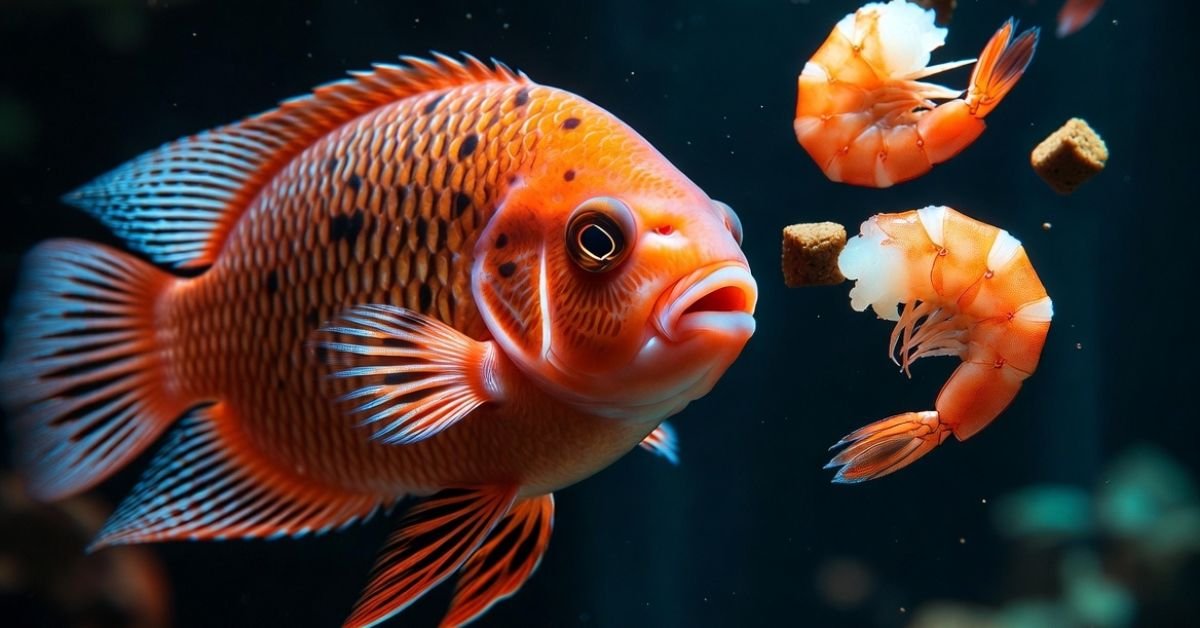
Preferred protein sources include aquatic options such as shrimp, bloodworms, or commercially formulated sinking pellets, supplemented by algae wafers, blanched vegetables, and driftwood for fiber.
Feeding Recommendations For US Aquarists
- Use only plain, unseasoned chicken (boiled or canned in water), thoroughly rinsed to remove any additives.
- Offer in small, finely chopped portions no more than once or twice per month.
- Remove any uneaten food promptly to maintain water quality.
- Maintain a balanced primary diet centered on algae-based and vegetable matter to support long-term health.
Plecostomus belong to the family Loricariidae and originate from South American river systems, where they function as bottom-dwelling scavengers.
Their adaptability in captivity continues to inform aquarium management practices nationwide.
About Author