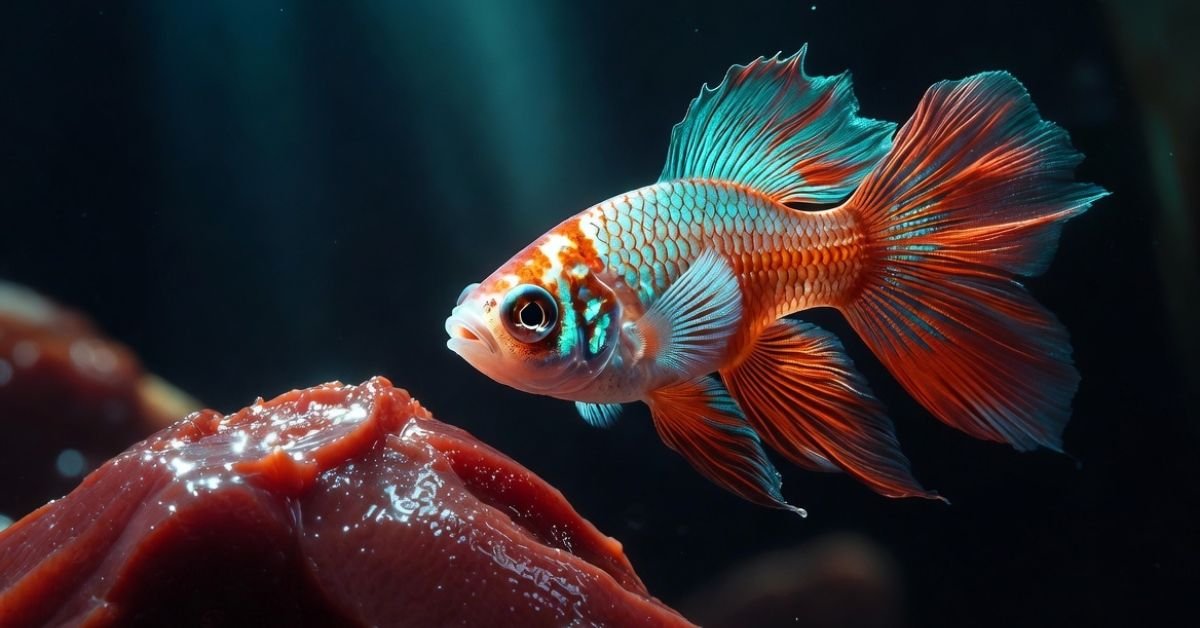

Guppies (Poecilia reticulata) rank among the world’s most popular freshwater aquarium fish, prized for their vibrant colors, hardy nature, and prolific breeding.
From bustling home tanks in Bengaluru and Bangkok to sophisticated show setups in Europe and North America, millions of hobbyists enjoy keeping these lively tropical fish.
However, a long-standing question continues to spark debate among aquarists: is it safe to offer small amounts of chicken, beef, or other animal liver as an occasional treat?
On one side, many aquarium health advisors and experienced keepers warn against the practice.
They point to the high saturated fat content in mammalian and poultry organ meats, which they say can contribute to fatty liver disease (hepatic lipidosis) in guppies.
Symptoms may include a swollen “pot belly” appearance, lethargy, and reduced lifespan, particularly in adult males.
Critics also note that uneaten liver fragments can quickly degrade water quality by raising ammonia levels, a concern in both small beginner tanks and larger community setups.
“Even infrequent feedings add up over time,” say representatives from several online aquarium communities and fish-keeping societies.
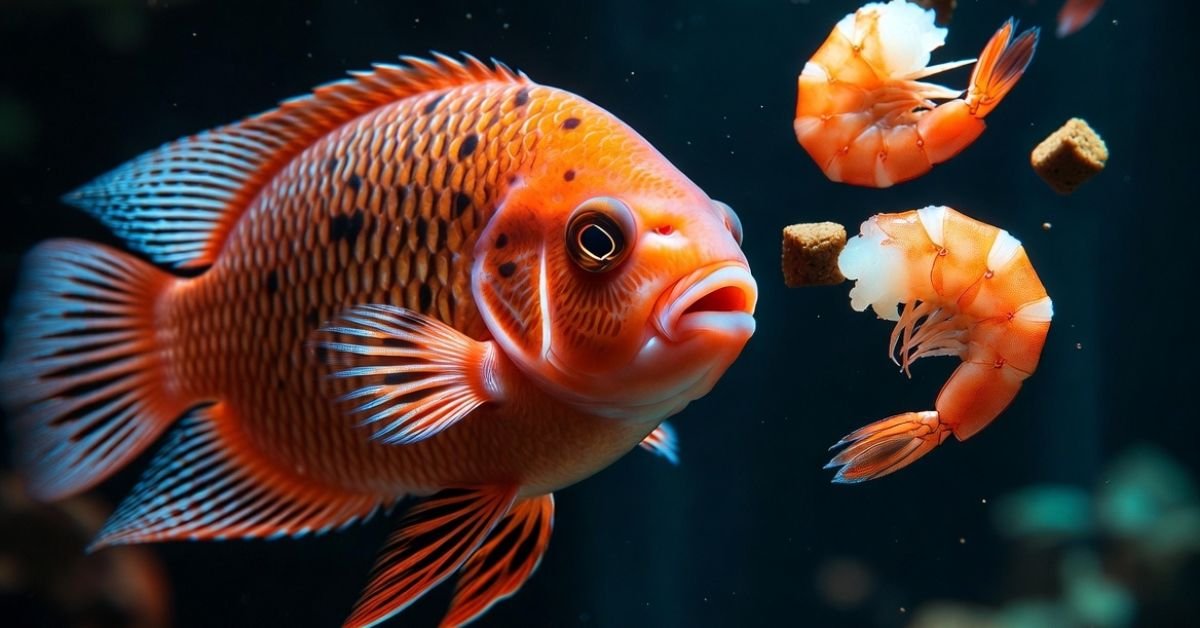
They recommend sticking to commercially formulated guppy flakes, micro-pellets, frozen brine shrimp, daphnia, bloodworms, and blanched vegetables such as zucchini, spinach, or peas.
These alternatives, they argue, provide balanced nutrition without the risks associated with rich land-animal proteins.
Countering this view, a significant number of longtime breeders, especially in regions where high-quality imported fish foods are costly, report successfully using liver for decades.
Many Asian and South American guppy enthusiasts prepare small portions of boiled, finely chopped chicken liver or beef heart, often blending it into a frozen paste and feeding it sparingly to condition fish before breeding shows or to boost growth in fry.
These hobbyists maintain that, when used in strict moderation (once every few weeks or less), liver has not caused noticeable health problems in their lines.
It elicits an enthusiastic feeding response that flakes alone rarely match.
“Thousands of serious breeders worldwide have relied on organ meats as part of a varied diet without seeing widespread issues,” say proponents.
They emphasize that proper tank maintenance, water changes, and portion control appear to mitigate potential risks.
Scientific literature specifically on guppies and liver remains limited, with most guidance drawn from anecdotal experience rather than large-scale veterinary studies.
Both camps agree on one key principle: overfeeding of any food, including liver, is harmful.
The widely accepted rule is to offer only what fish can consume within two minutes and to remove leftovers immediately.
As guppy keeping continues to grow into a global hobby, the conversation highlights broader themes in aquarium care, including balancing tradition and affordability with emerging health insights.
While some experts advocate complete avoidance of liver to err on the side of caution, others view moderate use as acceptable within a diverse feeding regimen.
For aquarium owners unsure of the best approach, the consensus advice remains straightforward: observe your fish closely, maintain excellent water quality, and prioritize variety.
Whether skipping liver entirely or experimenting cautiously, informed decisions help ensure these popular fish thrive in tanks around the world.
About Author