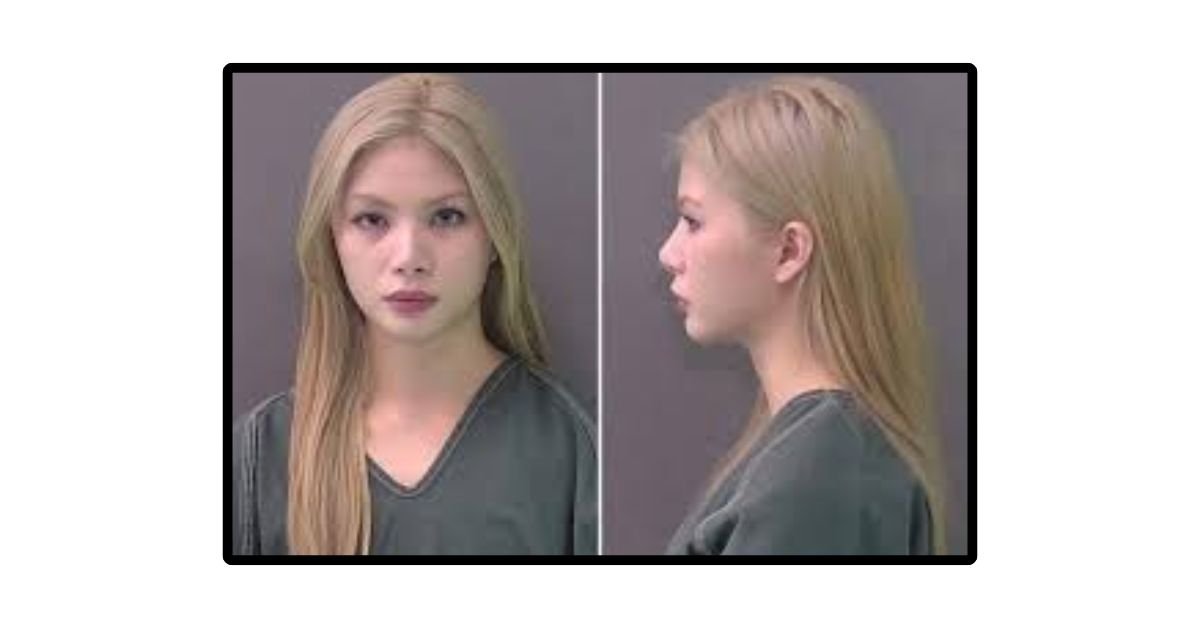

Federal agents quietly took a 44-year-old Woodland Hills resident into custody at Los Angeles International Airport on April 19 as she prepared to board a flight to Istanbul, charging her with helping Iran ship drones, bombs and ammunition to Sudan in violation of U.S. sanctions.
Shamim Mafi, an Iranian national who has lived legally in the United States since 2016, is accused of acting as a middlewoman in multimillion-euro arms deals between Tehran and Sudan’s Defense Ministry.
According to a federal criminal complaint, she used an Oman-based company she controls, Atlas International Business LLC, to coordinate everything from payments and travel arrangements for Sudanese officials to the actual weapons transactions.
Prosecutors say the deals included the sale of Iranian-made Mohajer-6 drones capable of surveillance and precision strikes, along with 55,000 bomb fuses and millions of rounds of ammunition.
One drone contract alone was reportedly valued at more than €60 million (roughly $65 million), and Mafi allegedly received over €6 million in commissions for her role.
The timing is especially stark. Sudan has been gripped by a brutal civil war for more than four years, a conflict that has killed tens of thousands and displaced millions.
U.S. officials argue that the weapons the Mafia is accused of helping deliver have helped prolong the fighting.
First Assistant U.S. Attorney Bill Essayli described the case bluntly after the arrest, saying Mafi “took advantage of our open immigration system to live freely in Los Angeles while simultaneously working to traffic arms on behalf of a country that seeks to destroy us.”
Mafi, who became a lawful permanent U.S. resident in 2016, has not yet entered a formal plea.
She made her initial court appearance in downtown Los Angeles shortly after the arrest and is presumed innocent unless proven guilty.
If convicted on the conspiracy charge under the International Emergency Economic Powers Act, she could face up to 20 years in federal prison.
Neighbors in the quiet, upscale San Fernando Valley community knew her as a polished international businesswoman who traveled frequently.
Court records paint a different picture: investigators from the FBI’s Iran Counterintelligence Squad had been building the case for months, gathering financial records, communications and travel documents before moving in at the airport to prevent her from leaving the country.
The case highlights the challenges of enforcing sanctions against Iran, which has long been accused of using third countries and front companies to move weapons and cash.
Prosecutors say Mafi’s alleged scheme also involved informal financial networks designed to skirt detection.
As the investigation continues, federal authorities are examining whether others were involved.
For now, the focus remains on Mafi and the question of how a seemingly ordinary California resident could allegedly become a key player in an international arms pipeline feeding one of Africa’s deadliest conflicts.
About Author