
Table Of Contents
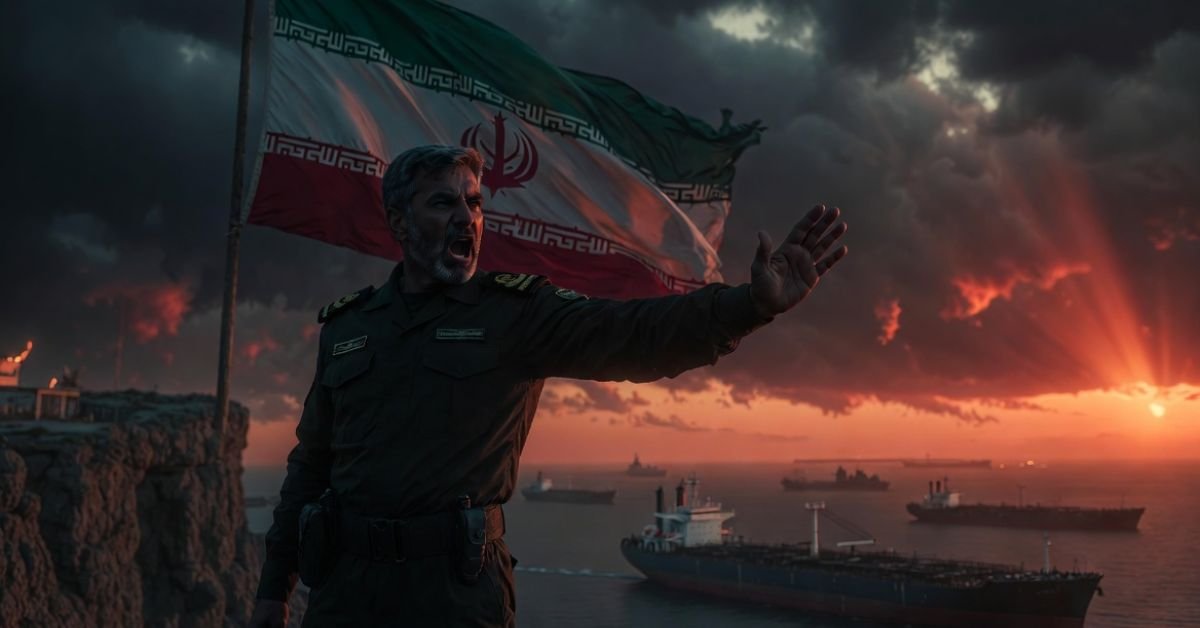
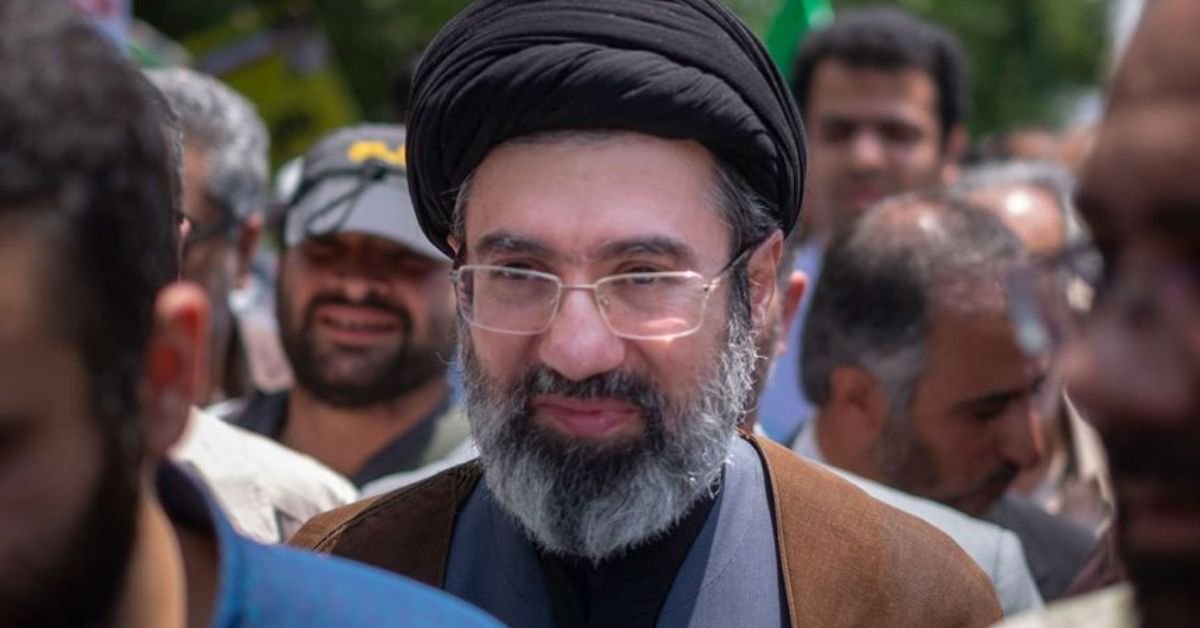
The recent appointment of Mojtaba Khamenei as Iran’s Supreme Leader represents a significant transition in leadership, combining familial continuity with heightened international scrutiny.
The Official Appointment
Iran faced a leadership vacuum after the death of Ayatollah Ali Khamenei in a U.S.-Israeli military operation on February 28, 2026.
On March 8, 2026, the Assembly of Experts, a body of 88 religious scholars, convened and elected Mojtaba Khamenei, Ali’s son, as the new Supreme Leader.
This decision maintains control within the Khamenei family, positioning Mojtaba as the third individual to hold this role since the 1979 Islamic Revolution.
Public reactions in Iran varied, with celebrations reported in several cities where supporters gathered to express approval.
The Islamic Revolutionary Guard Corps (IRGC), a key military institution, promptly affirmed its allegiance to the new leader.
President Masoud Pezeshkian extended congratulations, noting that the appointment would enhance Iran’s sovereignty and resilience.
While the transition appears orderly, it has sparked global debate.
Profile Of Mojtaba Khamenei
Born in 1969 in Mashhad, a prominent religious center in Iran, Mojtaba Khamenei is now 56.
His early life coincided with the lead-up to the 1979 revolution, during which his father played a central role in opposing the former regime.
Following the revolution, the family relocated to Tehran, exposing Mojtaba to the inner workings of power.
He pursued religious studies in Qom, a major hub for Shia scholarship, and achieved clerical status.
Known for operating discreetly, Mojtaba has influenced political and security decisions from behind the scenes, particularly through his father’s office.
His strong connections to the IRGC were instrumental in securing his position.
During the Iran-Iraq War in the 1980s, he briefly served in the military at age 17, an experience that bolstered his credentials.
Mojtaba has also been involved with Iran’s bonyads, large charitable foundations that manage significant economic assets.
Despite his influence, he has avoided public office and prominent appearances, leading some observers to describe him as more conservative than his father in upholding revolutionary principles.
U.S. President Trump’s Response
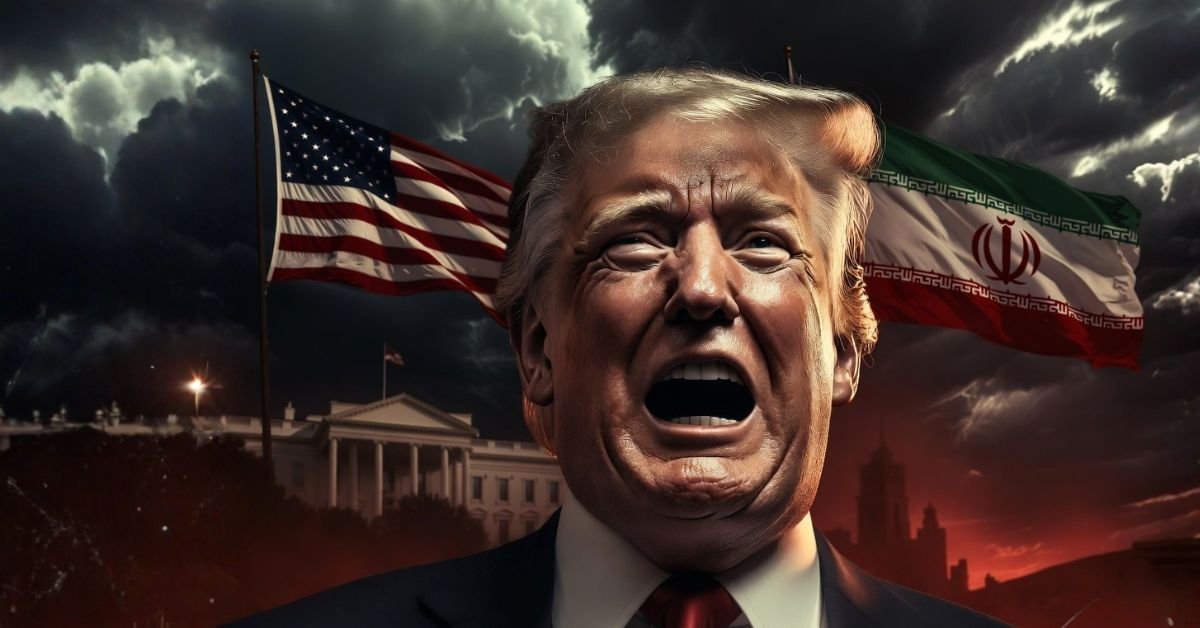
President Donald Trump has strongly opposed the appointment.
He described Mojtaba as “unacceptable” and a “lightweight,” asserting that the United States should have input in selecting Iran’s leader to promote peace and harmony.
Trump warned that without U.S. approval, the new Supreme Leader’s tenure could be short-lived, suggesting the possibility of further interventions amid ongoing conflicts.
This criticism aligns with Trump’s broader policy against Iran’s nuclear activities and regional alliances.
He has referenced the depletion of Iran’s potential successors due to recent strikes.
Israel has similarly issued threats against any leader continuing Ali Khamenei’s policies.
The strikes to date have resulted in over 1,300 Iranian fatalities and numerous injuries, heightening military readiness in Iran as Mojtaba assumes control from an interim council.
Timeline of Iran’s Supreme Leaders
For context, the following table summarizes the succession of Supreme Leaders and notable events, highlighting the pattern of continuity.
| Leader | Tenure | Key Events |
|---|---|---|
| Ayatollah Ruhollah Khomeini | 1979–1989 | Led the 1979 Islamic Revolution; established the Supreme Leader position as the nation’s highest authority. |
| Ayatollah Ali Khamenei | 1989–2026 | Strengthened Iran’s military capabilities; navigated domestic unrest and international sanctions; died in a U.S.-Israeli strike. |
| Ayatollah Mojtaba Khamenei | 2026–Present | Son of Ali Khamenei; endorsed by the IRGC; assumes role during active conflict. |
This overview illustrates how leadership has remained concentrated, with the Khamenei family in power for more than three decades.
Global and Domestic Implications
Mojtaba’s leadership may reinforce Iran’s assertive posture, given his close ties to the IRGC and emphasis on defense against external threats.
Economic challenges, exacerbated by sanctions, could intensify if U.S. pressure increases under Trump.
Internationally, responses differ: China has labeled the appointment an internal affair and cautioned against interference, potentially indicating support.
India’s embassy in Iran has expressed hopes for national unity and integrity.
However, as the conflict expands into areas like Lebanon, the risk of broader escalation remains.
Mojtaba’s reserved approach may allow for strategic maneuvering, but his background suggests a commitment to resistance rather than concession.
For Iran’s citizens, the change introduces uncertainty.
While some celebrate the continuity, others express concerns over potential violence and its impact on daily life.
The focus on sovereignty could foster unity but may also provoke additional external challenges.
Interesting Fact: Early Military Involvement
An intriguing detail about Mojtaba Khamenei is his brief service in the Iran-Iraq War at age 17, where he joined a battalion that later produced prominent intelligence officials. This early exposure to conflict has likely influenced his strategic perspective.
Final Thoughts
The appointment of Mojtaba Khamenei as Supreme Leader marks a pivotal moment for Iran, preserving the family legacy amid international friction, particularly from President Trump’s pointed critiques.
This development underscores ongoing geopolitical tensions in the Middle East.
For more in-depth coverage on global affairs, visit our website at THOUSIF INCORPORATED, where we offer analyses on conflicts and leadership changes.
We welcome your feedback.
Feel free to share your views. Stay informed.
About Author