
Table Of Contents
NASA Launches Artemis II
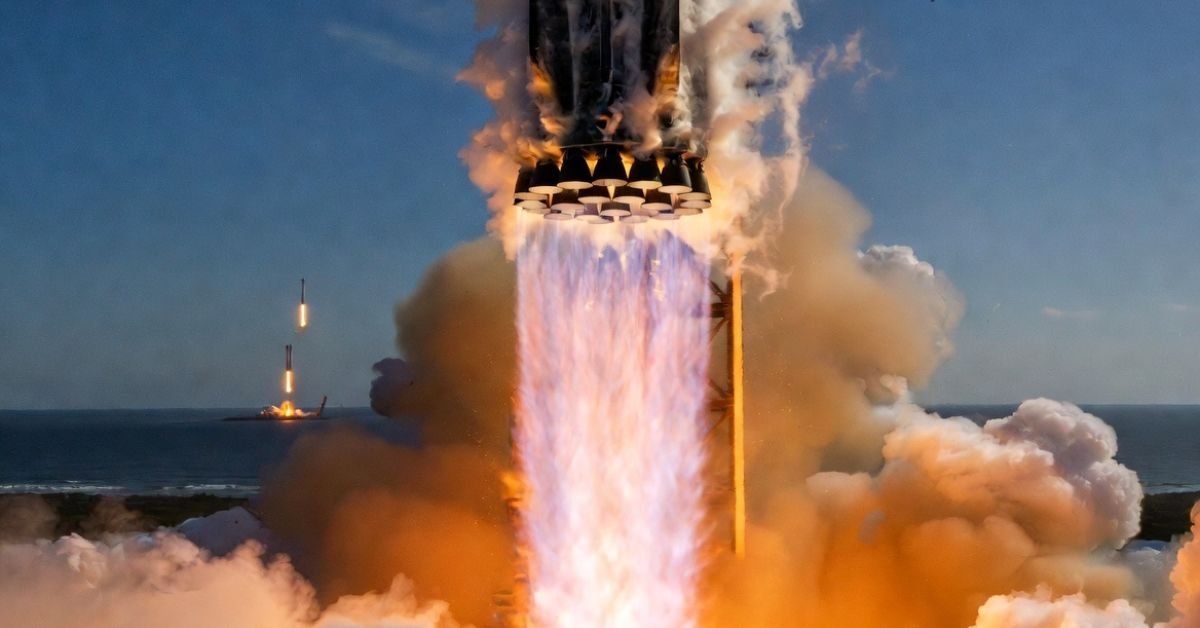
The night sky over Florida’s Space Coast lit up with fire and thunder on April 1, 2026, as NASA’s most powerful rocket yet roared off the pad at exactly 6:35 p.m. EDT.
The Space Launch System (SLS) rocket, taller than the Statue of Liberty and carrying the Orion spacecraft, lifted four astronauts toward the Moon in a moment that felt like a bridge between the Apollo era and a new age of exploration.
The launch was picture-perfect: no delays, no anomalies, and no heart-stopping drama like past missions.
Crowds lining the beaches from Cape Canaveral to Daytona Beach cheered as the 8.8-million-pound-thrust rocket climbed into the twilight.
For the first time in 54 years, humans are once again traveling beyond low Earth orbit.
The Crew Making History
At the helm is Commander Reid Wiseman, a veteran NASA astronaut who once called this flight “the ride of a lifetime.”
Pilot Victor Glover, mission specialist Christina Koch, and Canadian Space Agency astronaut Jeremy Hansen round out the team.
This quartet represents more than skill; it symbolizes progress.
| Astronaut | Role | Agency | Historic First |
|---|---|---|---|
| Reid Wiseman | Commander | NASA | Leading the first crewed Artemis flight |
| Victor Glover | Pilot | NASA | First person of color on a lunar mission |
| Christina Koch | Mission Specialist | NASA | Record-holder for the longest single spaceflight by a woman |
| Jeremy Hansen | Mission Specialist | CSA | First Canadian beyond low Earth orbit |
The astronauts are now safely in space, solar arrays deployed, and the Orion capsule performing flawlessly.
As of April 2, they have completed the perigee raise maneuver and are coasting outbound on their free-return trajectory.
What Artemis II Actually Is, And What It Is Not
This is not a Moon landing.
Artemis II is a rigorous 10-day test flight designed to prove the entire system, rocket, spacecraft, and ground teams, work with humans aboard before the first landing attempt on Artemis III.
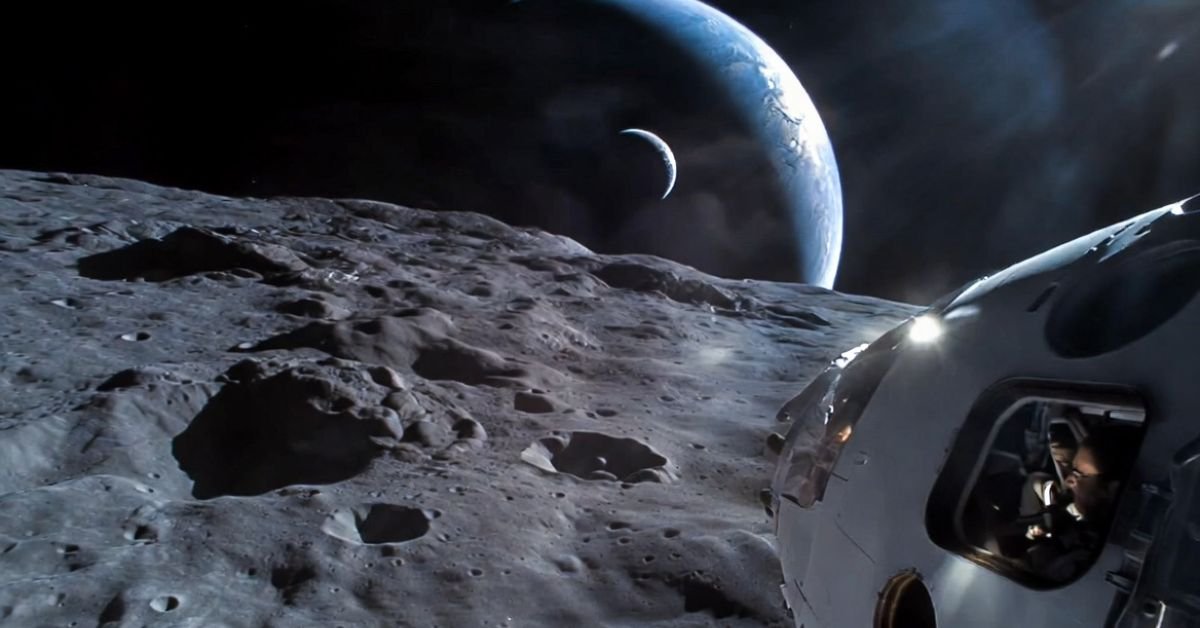
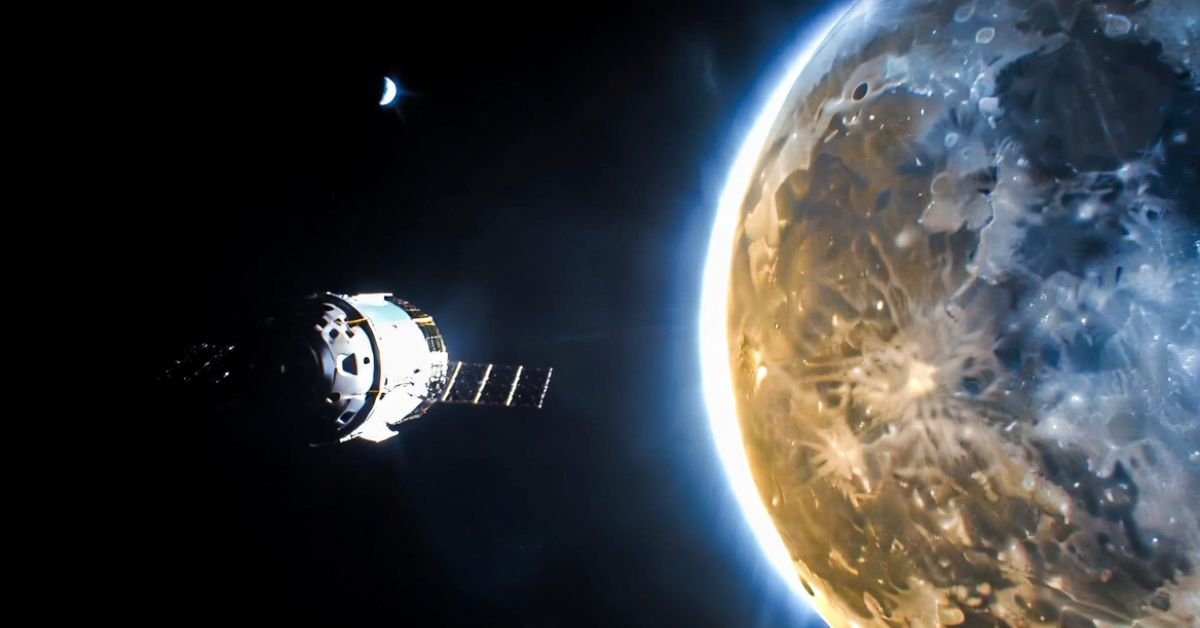
The Orion spacecraft will swing around the far side of the Moon, passing within roughly 4,000 miles of the lunar surface, before looping back to Earth.
During the closest approach, the crew will conduct observations and system checks in an environment no one has experienced since Apollo 17 touched down in December 1972.
Timeline: How Long Does It Take To Reach The Moon?
One of the most common questions is simple: how long will the journey take?
The answer is refreshingly straightforward for such a complex mission.
| Phase | Duration | What Happens |
|---|---|---|
| Outbound Transit | ~3 days | Translunar injection burns; heading toward the Moon |
| Lunar Flyby | Days 4–6 | Closest approach; scientific observations |
| Return Transit | 3–4 days | Course corrections; preparation for re-entry |
| Total Mission | ~10 days | Splashdown in the Pacific Ocean |
The spacecraft reaches speeds above 24,000 mph during key burns, fast enough to cover the distance in days rather than the weeks required by earlier missions.
Where Is Artemis II Right Now?
Right now, on April 2, the crew is well past Earth’s protective magnetosphere and accelerating toward the Moon.
NASA’s live telemetry shows Orion healthy and on course.
The astronauts have begun routine systems checks and are already sharing glimpses of Earth from deep space.
Real-time tracking is available on NASA’s official Artemis tracker.
Why This Mission Matters More Than Ever
After decades of low-Earth-orbit operations, Artemis II answers a simple but profound question: Are we ready to go back? The program’s goal is not nostalgia; it is to build a sustainable presence on the Moon that will serve as a stepping stone to Mars.
Success here clears the path for Artemis III to land the first woman and first person of color on the lunar surface.
It also tests new technologies, deep-space life support, and international cooperation that will define human spaceflight for the next generation.
Interesting Fact
None of these four astronauts was alive when Neil Armstrong stepped onto the Moon in 1969. They grew up watching grainy Apollo footage on television, and now they are living the next chapter in real time. That generational handoff is what makes this flight feel historic on a deeply personal level.
Artemis II is more than a launch.
It is proof that the dream of returning to the Moon is no longer a memory; it is happening right now.
The coming days will bring more milestones, more data, and, if all continues to go well, another giant leap for humanity.
Live updates and video streams remain available on NASA’s website as the crew writes a new chapter in the story of space exploration.
About Author