
Table Of Contents
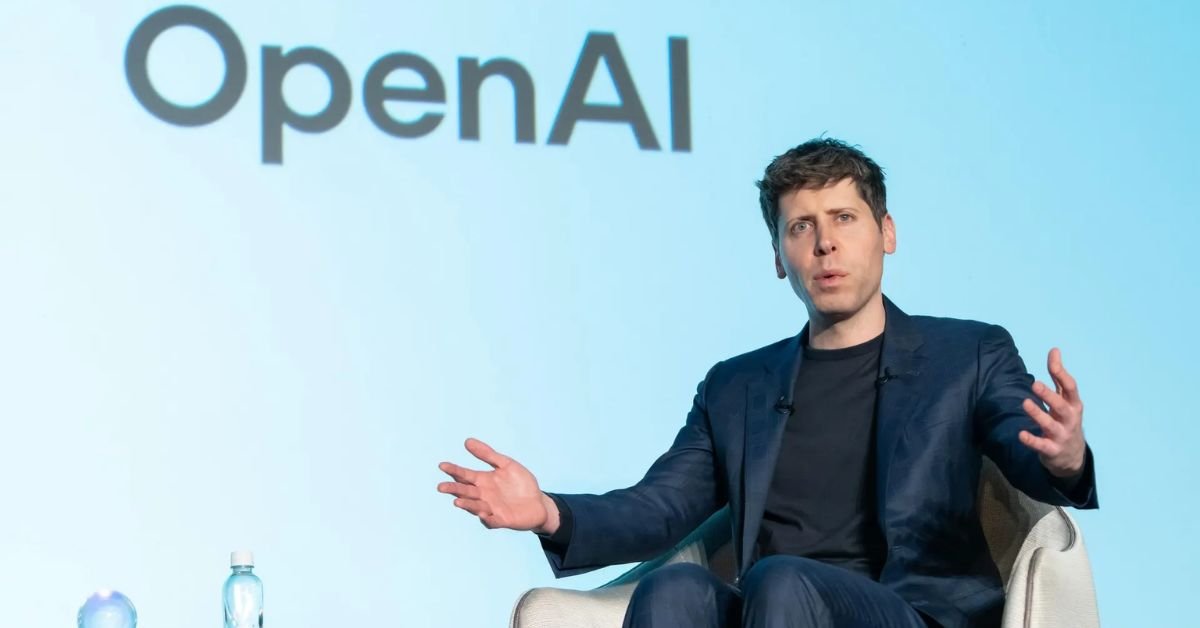
OpenAI CEO Sam Altman has long maintained that artificial intelligence would empower solo entrepreneurs to build companies once thought impossible without large teams and heavy funding.
What many dismissed as optimistic speculation is now becoming reality.
Three standout founders have demonstrated the viability of the one-person AI startup model, achieving remarkable results in record time across different industries.
This emerging trend highlights how advanced AI tools are dramatically lowering barriers to entrepreneurship.
By handling coding, marketing, customer service, and operations, AI allows founders to focus on strategy, product vision, and customer experience.
The Prediction That Sparked A Movement
Sam Altman’s vision was clear: AI would enable individuals to run businesses that could compete with traditionally staffed companies.
He even participated in informal bets among tech leaders about when the first one-person billion-dollar company would emerge.
Recent success stories suggest that the future may arrive sooner than expected.
William Lindholm’s Daymaker: Reinventing Corporate Gifting
Norwegian entrepreneur William Lindholm, who started at age 19, built Daymaker, a platform that automates meaningful workplace celebrations by delivering fresh cakes from local bakeries.
Using no-code AI tools, Lindholm quickly and efficiently created the service.
The company’s unique “cold caking” approach, which replaces generic emails with personalised physical gifts, has proven highly effective.
Daymaker reached $110,000 in monthly revenue while serving over 250 companies.
Its success shows how a lean operation can deliver delightful, human-centred experiences at scale.
Matthew Gallagher’s Medvi: A Telehealth Success Story
One of the most impressive examples comes from Matthew Gallagher.
With just $20,000 and the help of multiple AI tools, he launched Medvi, a telehealth platform specializing in compounded GLP-1 weight-loss medications.
In its first year, Medvi generated $401 million in revenue with only two team members, Gallagher and his brother.
The company maintains strong profit margins while delivering fast, patient-focused service.
Gallagher’s achievement in the highly regulated healthcare sector demonstrates AI’s potential to accelerate complex business operations.
Maor Shlomo’s Base44: From Solo Project To $80 Million Acquisition
Israeli founder Maor Shlomo developed Base44, an AI-powered platform that lets users build applications simply by describing them in plain language.
The innovative tool gained rapid traction and was acquired by Wix for $80 million just six months after launch.
Shlomo’s story stands out as a clear validation of the solo-founder model powered by generative AI.
A Side By Side Look At Their Achievements
| Founder | Company | Sector | Key Result | Team Size |
|---|---|---|---|---|
| William Lindholm | Daymaker | Workplace gifting | $110K monthly revenue | Very small |
| Matthew Gallagher | Medvi | Telehealth | $401M Year 1 revenue | 2 people |
| Maor Shlomo | Base44 | AI app development | $80M acquisition | Solo |
What This Means For Entrepreneurship
These three cases reveal common success factors: identifying genuine market needs, leveraging AI for rapid development and operations, maintaining close customer relationships, and moving quickly and with focus.
Trivia
Sam Altman once ran an informal betting pool with other CEOs on when the first solo AI-powered billion-dollar company would appear. Stories like these suggest that prediction is moving from speculative to probable.
As artificial intelligence continues to advance, the landscape of entrepreneurship is shifting.
One-person or micro-team startups are proving they can compete effectively in multiple industries.
This development could open the door to a more diverse range of founders worldwide.
The success of these three entrepreneurs serves as both inspiration and practical proof that the future of building companies is changing rapidly.
For more insights into AI innovation and entrepreneurial trends, explore our additional articles.
About Author