
Table Of Contents
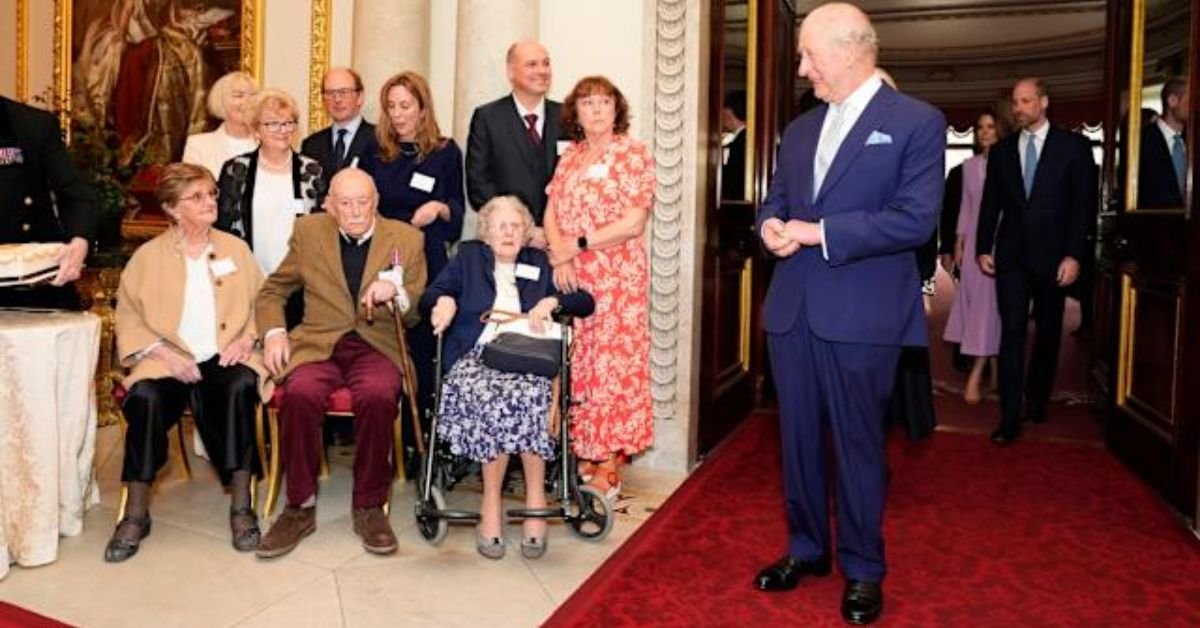
New York City Mayor Zohran Mamdani drew international attention during King Charles III’s state visit to the United States by suggesting the British monarch return the Koh-i-Noor Diamond.
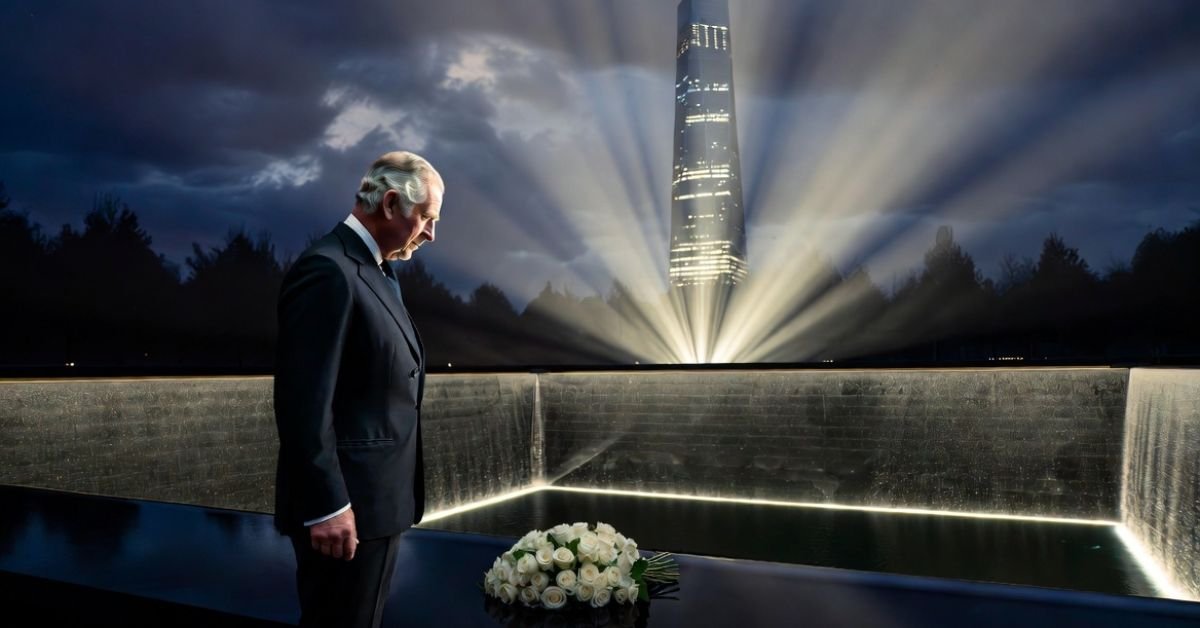
The mayor remarked on April 29, 2026, ahead of a wreath-laying ceremony at the 9/11 Memorial and Museum.
When asked by reporters if he had a personal message for the King, Mamdani replied: “If I were to speak to the king separately from that, I would probably encourage him to return the Koh-i-Noor Diamond.”
The two men met briefly at the memorial event, exchanging handshakes and pleasantries, but the diamond was not discussed.
Context Of The Comment
Mayor Mamdani, who is Indian-American, made the statement in response to questions about the royal visit.
He did not frame it as an official diplomatic demand but as a personal view rooted in his heritage.
British officials have not commented publicly on the mayor’s words, and the Crown Jewels remain under the stewardship of the United Kingdom.
The Koh-i-Noor Diamond: A Brief History
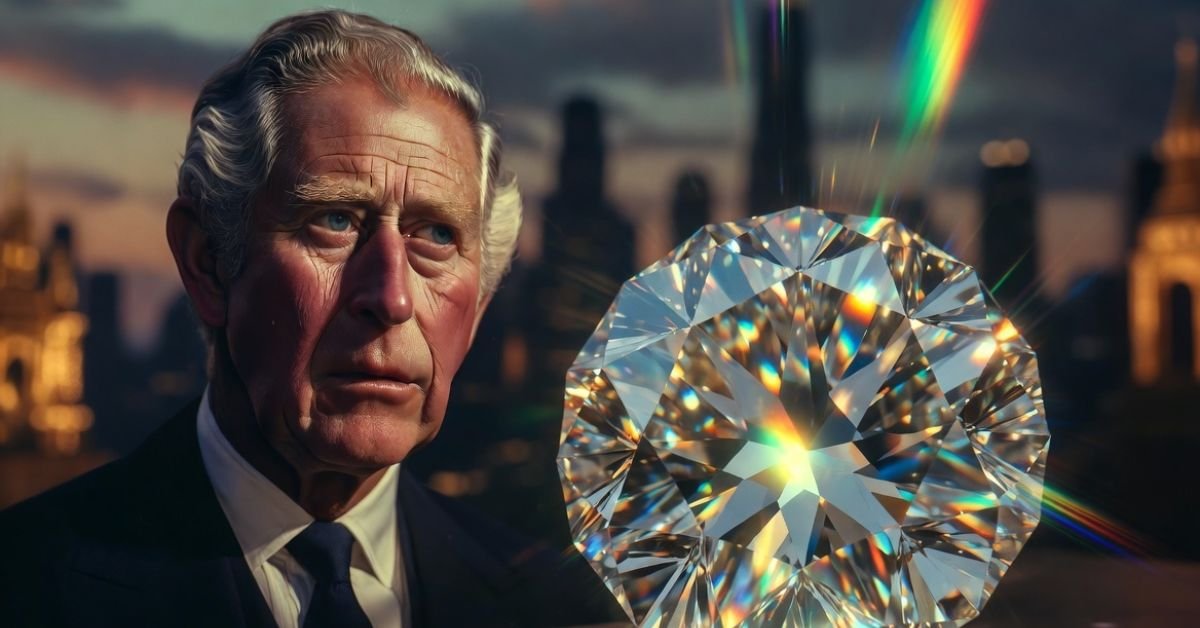
The Koh-i-Noor, meaning “Mountain of Light” in Persian, is a 105.6-carat diamond with a complex and often contentious past.
It is currently set in the Crown of Queen Elizabeth the Queen Mother and displayed as part of the British Crown Jewels at the Tower of London.
| Period | Key Events | Location / Ruler |
|---|---|---|
| Ancient times | Mined in India | Golconda region, India |
| Mughal Empire | Prized possession | Mughal emperors |
| 18th–19th century | Passed through Persian, Afghan, and Sikh rule | Various rulers |
| 1849 | Acquired by the British East India Company | After the Anglo-Sikh War |
| 1850 | Presented to Queen Victoria | United Kingdom |
| Present | Part of Queen Mother’s crown | Tower of London |
Why The Diamond Remains Controversial
India has repeatedly requested the return of the Koh-i-Noor, viewing it as a symbol of colonial-era appropriation.
The diamond was surrendered by the young Maharaja Duleep Singh following the Second Anglo-Sikh War.
Pakistan, Afghanistan, and Iran have also made similar historical claims.
The British government has long maintained that the diamond was obtained legally and forms an integral part of the nation’s cultural heritage.
Returning it, officials have argued, could open the door to countless other repatriation requests worldwide.
What The Request Actually Means
Mayor Mamdani’s comment was symbolic.
The British monarchy does not personally own the Crown Jewels; they are held in trust for the state.
King Charles III has no unilateral authority to transfer the diamond.
The mayor’s statement, however, highlights ongoing global conversations about colonial history, cultural repatriation, and the role of public figures in addressing historical grievances.
Trivia
Legend holds that the Koh-i-Noor carries a curse, bringing misfortune to any male ruler who possesses it. For this reason, it has been worn only by British queens and queen consorts in modern history.
The mayor’s remarks have renewed public interest in the diamond’s future and the broader question of how nations address artifacts acquired during periods of empire.
While the Koh-i-Noor is unlikely to change hands anytime soon, such discussions keep important historical and cultural debates alive in the public sphere.
About Author