
Table Of Contents
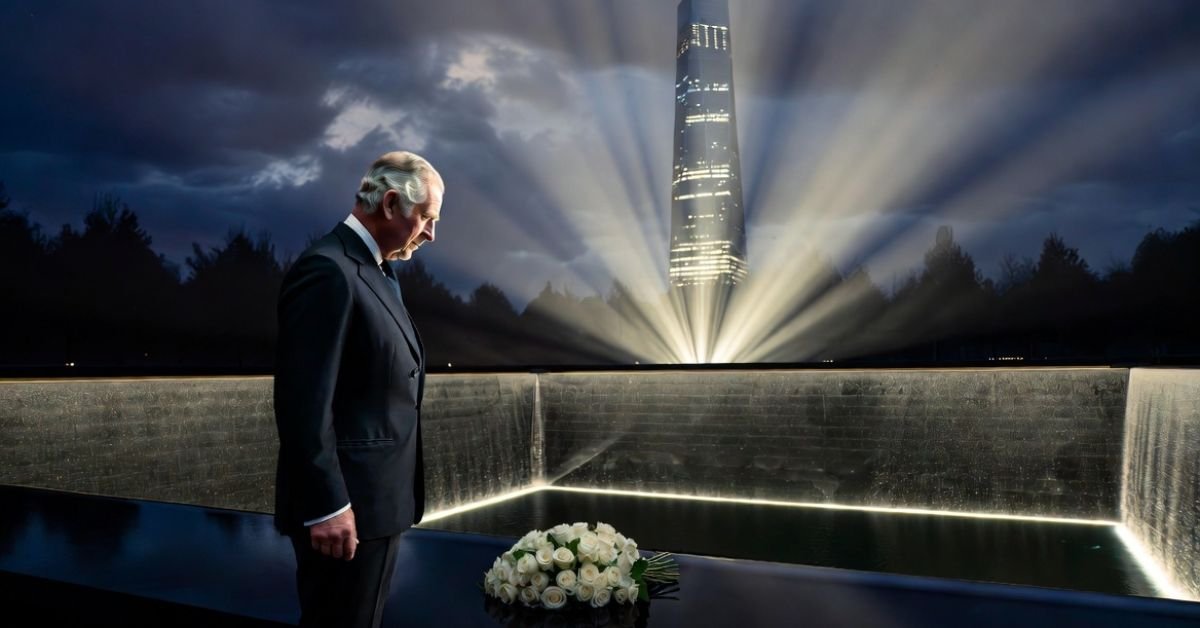
King Charles III and Queen Camilla began their New York City visit on April 29, 2026, with a solemn stop at the National September 11 Memorial and Museum.
The site was not merely one stop among many during the four-day state visit; it was deliberately positioned as the monarch’s most significant engagement in America.
In his address to a joint session of Congress the previous day, the King had foreshadowed the visit’s importance, stating, “We stood with you then, and we stand with you now in solemn remembrance of a day that shall never be forgotten.”
The Significance Of The 9/11 Memorial Visit
The appearance at the memorial marked the first time any British monarch had visited the site since its opening in 2014.
The choice carried clear symbolic weight, reflecting shared history, sacrifice, and the enduring transatlantic alliance.
The September 11, 2001, attacks claimed the lives of 67 British citizens, the highest number of foreign victims after the United States.
In response, the United Kingdom immediately invoked NATO’s Article 5 collective defense clause for the first and only time in the alliance’s history and committed troops alongside American forces in the subsequent military operations.
By prioritizing the 9/11 Memorial, King Charles emphasized that the relationship between the two nations extends far beyond diplomacy and economics; it is rooted in mutual support during moments of profound national loss.
The royal couple laid white roses at the memorial’s twin reflecting pools and held private meetings with first responders and families of victims.
The interactions were conducted with quiet dignity and respect, offering a deeply human counterpoint to the formal events of the preceding days.
Strategic Context Within The State Visit
The four-day royal visit, the first official state visit by a British monarch to the United States in 19 years, was timed to coincide with preparations for America’s 250th anniversary of independence.
However, rather than focusing exclusively on celebration, King Charles chose to open the New York segment with an act of collective remembrance.
This decision reflected several layers of intent:
- Honoring the victims and heroes of the September 11 attacks
- Reaffirming the unbreakable UK-US partnership
- Demonstrating the monarchy’s continuing role in providing continuity and comfort during periods of national reflection
Subsequent engagements in Harlem and a gala for The King’s Trust followed later that day, but the 9/11 Memorial remained the emotional centerpiece of the New York program.
| Date | Location | Event | Significance |
|---|---|---|---|
| April 28 | Washington, D.C. | Address to Congress | Established theme of shared history |
| April 29 | New York City | 9/11 Memorial visit | Most symbolically important stop |
| April 29 | Harlem | Community urban farm project | Focus on a future-oriented partnership |
A Reflection Of The Monarch’s Approach
This was King Charles III’s first visit to the United States as reigning monarch.
His decision to place the 9/11 Memorial at the heart of the New York itinerary aligned with his long-established emphasis on public service, quiet diplomacy, and genuine respect for historical ties between the two nations.
Trivia
In the immediate aftermath of the 9/11 attacks, Queen Elizabeth II ordered the American national anthem to be played at the Changing of the Guard at Buckingham Palace, a rare break from royal tradition that underscored Britain’s solidarity with the United States.
King Charles’s visit to the 9/11 Memorial served as a powerful reminder that the strength of international alliances is often measured not only in moments of triumph but in shared remembrance and steadfast support through times of adversity.
About Author