
Table Of Contents
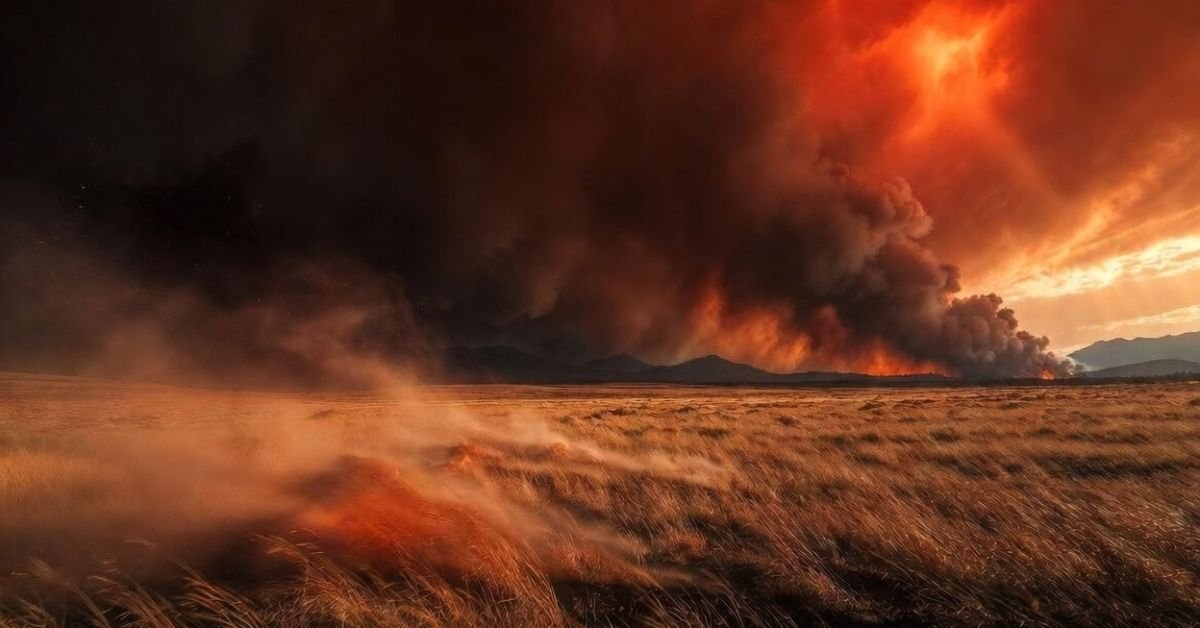
In March 2026, an unusually high number of red-flag fire weather warnings were issued across the western and central United States.
Southern Colorado is experiencing the highest activity on record, according to the National Weather Service.
These warnings indicate conditions that are highly favorable for the rapid start and spread of wildfires.
What Is A Red Flag Fire Weather Warning?
A red flag warning is the most serious fire weather alert issued by meteorologists.
It is declared when a dangerous combination of low humidity, strong winds, and dry fuels creates extreme wildfire potential.
These warnings are typically triggered when relative humidity drops below 25 percent, and winds sustain 20 miles per hour or more, with frequent gusts above 25 mph.
Under these conditions, fires can ignite easily and spread rapidly.
Record Breaking March In Southern Colorado
By the middle of March 2026, southern Colorado had already logged 25 days under red flag warnings.
This pace is significantly above the 20-year average and marks a new record for the region. Ten warning days have occurred in March alone.
The alerts have also extended to other states, including Texas, Kansas, and Nebraska, as a large-scale pattern of warm, dry, and windy weather persists across the Plains and Rocky Mountains.
Regions Under Warning
Current and recent red flag warnings have affected:
- Southern Colorado, particularly around Pueblo and Colorado Springs
- Central Texas along the I-35 corridor and near Houston
- Western Kansas and southern Nebraska
- Northeastern Colorado near Denver
Key Triggers Explained
| Factor | Warning Threshold | Impact |
|---|---|---|
| Relative Humidity | Below 25% | Fuels become extremely dry |
| Wind Speed | 20 mph sustained, gusts 25+ mph | Rapid fire spread and spotting |
| Temperature | Above seasonal average | Accelerates drying of vegetation |
Important Safety Measures
Authorities recommend the following steps during red flag warnings:
- Refrain from all outdoor burning and spark-producing activities
- Avoid parking vehicles on dry grass
- Clear leaves and debris from around buildings
- Stay updated through local emergency alerts
- Prepare an emergency go-bag with essentials
The modern red flag warning system has evolved since the 1960s to help communities respond faster to fire threats.
With fire season gaining momentum early this year, experts advise heightened awareness and preparation in the coming months.
Stay safe by remaining informed and taking preventive action.
About Author