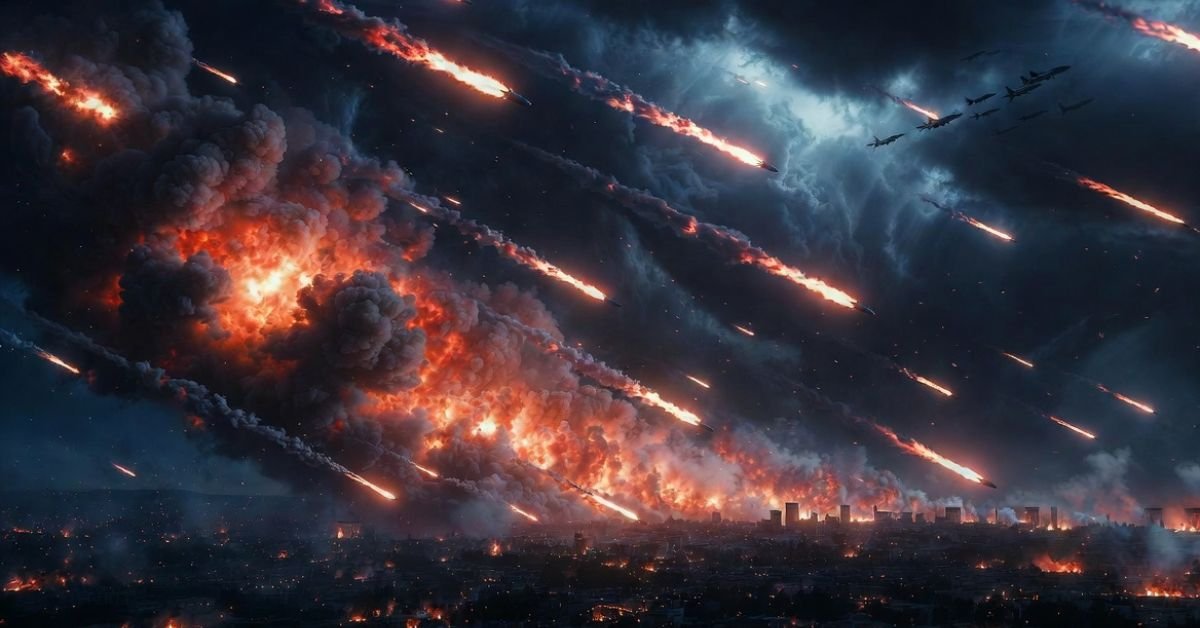

Three weeks after the United States and Israel launched a massive military campaign against Iran, the conflict shows no immediate signs of ending, with fresh assassinations, retaliatory missile strikes, and firm positions from all sides blocking any quick resolution.
The war erupted on February 28 with the start of Operation Epic Fury, a sweeping series of US and Israeli airstrikes that killed Iran’s Supreme Leader Ayatollah Ali Khamenei along with dozens of top military commanders and political figures.
Since then, American and Israeli forces have repeatedly hit Iranian missile factories, air-defense systems, naval bases, and command centers.
In the latest escalation, Israel confirmed the targeted killings of two more senior Iranian officials, security chief Ali Larijani and Basij commander Gholamreza Soleimani, in overnight operations.
Iran acknowledged the deaths and responded within hours with waves of missiles and drones.
At least two people were killed in central Israel today, while additional attacks struck US positions in Iraq and targets in Gulf nations.
US President Donald Trump has repeatedly expressed confidence that the fighting will wrap up quickly.
“There is practically nothing left to target,”
He said in recent remarks.
“The war will end very soon. Any time I want it to end, it will end.”
However, Trump added that a full conclusion is not expected this week.
Israeli Defense Minister Israel Katz took a harder line, declaring there is “no time limit” on the campaign.
“We will continue striking until all our strategic objectives are achieved,” he stated.
Iran has flatly rejected any short-term ceasefire.
Senior Iranian officials insist they will only consider talks after receiving ironclad security guarantees, reparations for damage, and assurances that such attacks will never be repeated.
“We are defending our sovereignty and will not accept dictated terms,” Iran’s foreign minister said.
No formal negotiations are currently underway.
The fighting has also spilled over into Lebanon, where Israeli forces have stepped up raids against Hezbollah, triggering more rocket exchanges along the northern border.
The broader fallout is already being felt globally.
Disruptions in the Strait of Hormuz have sent oil prices surging, raising fears of economic ripple effects worldwide.
While some analysts believe the intense phase could wind down in the next two to four weeks if the US chooses to de-escalate, today’s retaliatory strikes and the determination shown by all three parties suggest the conflict could easily drag on longer.
The situation remains extremely fluid, with developments possible at any moment.
About Author