
Table Of Contents
Introduction To Agriculture In The USA
Hey there!
If you have ever wondered what keeps grocery shelves stocked and supports millions of jobs across the country, look no further than agriculture in the USA.
It is not just about planting seeds and harvesting crops; it is a massive engine that feeds families, powers rural communities, and even helps feed people around the world.
In 2026, with Secretary Brooke Rollins at the helm of the US Department of Agriculture, farmers are navigating a mix of record-breaking production and real-world hurdles.
Whether you are a curious reader or someone who wants to understand where your food comes from, this straightforward guide breaks it all down.
The Current Landscape Of Agriculture In The USA
Agriculture in the USA remains one of the strongest pillars of our economy.
There are about 1.865 million farms spread across the nation, with an average size of around 469 acres.
These operations produce everything from grains to fresh produce and livestock, contributing roughly $1.5 trillion (about 5.5 percent) to the country’s GDP when related industries like food processing and transportation are included.
In 2025, we saw some impressive milestones, including a record corn harvest of roughly 17 billion bushels.
Looking ahead to 2026, net farm income is expected to hold steady at $153–154 billion, thanks in part to government support programs that help offset tighter margins.
However, many farmers report that only about half expect to turn a profit without that extra boost.
Family-owned farms still make up the vast majority, over 99 percent, which shows how deeply rooted this industry is in American tradition.
Major Crops Powering Agriculture In The USA
Corn and soybeans are the undisputed stars of American fields.
Corn alone brought in around $70 billion in value recently, while soybeans followed closely at more than $43 billion.
Other big players include hay, wheat, and cotton.
These crops do not just fill dinner plates; they fuel livestock, create biofuels, and support exports that strengthen trade relationships.
Farmers are also shifting planting plans for 2026.
Many are slightly reducing corn acres and boosting soybean acres to pursue better market opportunities.
This kind of smart adjustment helps keep agriculture in the USA resilient even when prices fluctuate, or input costs (like fertilizer and fuel) climb.
Top States Leading The Way
Different regions shine in their own specialties, which is what makes US agriculture so diverse and strong.
Here is a quick look at the leaders:
| Rank | State | Contributions | Highlights |
|---|---|---|---|
| 1 | California | Fruits, nuts, vegetables, dairy | Tops the nation in total crop value |
| 2 | Iowa | Corn and soybeans | Heart of the Midwest grain belt |
| 3 | Illinois | Corn, soybeans, and grains | Major exporter of row crops |
| 4 | Texas | Cotton, cattle, and diverse crops | Huge scale and resilience |
| 5 | Nebraska | Corn, soybeans, and livestock feed | Strong grain and animal production |
These states show how US agriculture adapts to local climates, soils, and markets while delivering consistent results year after year.
Challenges Facing Farmers In 2026
No story about agriculture in the USA would be complete without acknowledging the tough spots. Input costs for everything from labor to equipment remain high.
Some regions are dealing with labor shortages, trade uncertainties, and the lingering effects of past tariffs on exports such as soybeans.
Farmer bankruptcies have ticked up, and many worry about long-term profitability if prices stay low.
On top of that, weather patterns and shifting global demand add pressure.
However, the industry’s track record of innovation gives plenty of reason for optimism.
Secretary Rollins has emphasized practical solutions, expanding markets, supporting biofuels, and cutting unnecessary red tape to help farmers focus on what they do best: growing food.
Innovations Transforming Agriculture In The USA
The good news?
Technology is stepping up in a big way.
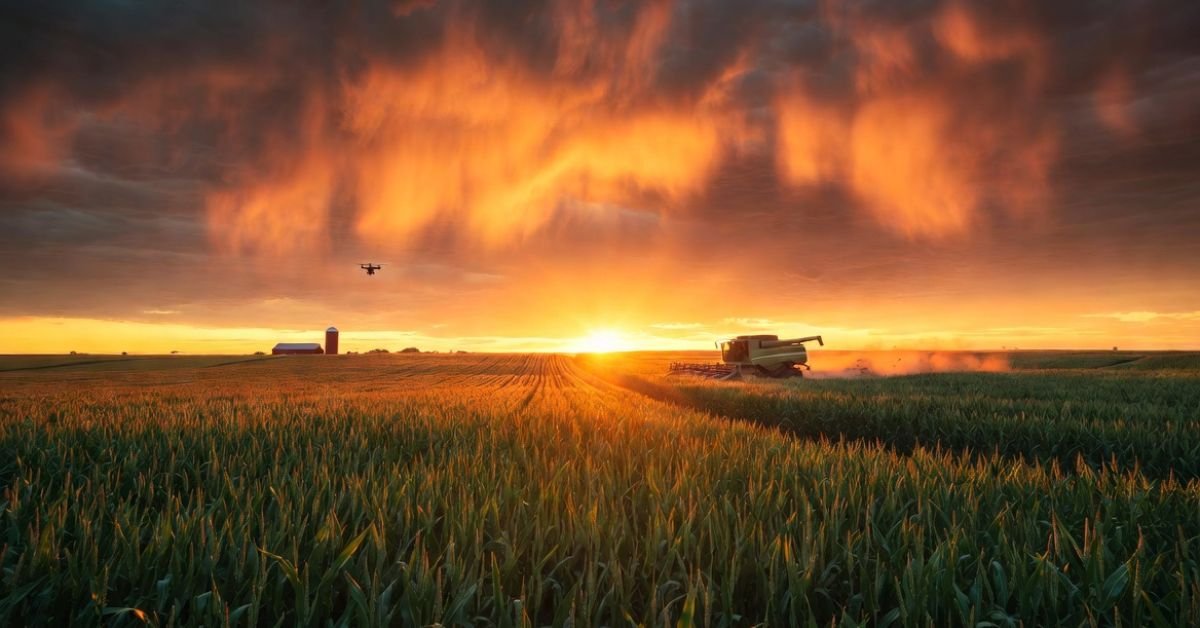
Precision agriculture uses drones, sensors, and data analytics to help farmers apply water, fertilizer, and pesticides exactly where needed, cutting waste and boosting yields.
Autonomous tractors and AI-driven decision tools are becoming more common, especially on larger operations.
Sustainability is another bright spot.
Many growers are adopting cover crops, no-till farming, and improved soil health practices to protect the land for future generations.
These advances not only make farms more efficient but also help US agriculture meet growing demand while remaining environmentally responsible.
An Interesting Trivia Fact
Here is a fun one to share at your next dinner table: Did you know that the average American farmer produces enough food to feed approximately 166 people, both here at home and abroad? That is the power of modern techniques, hard work, and a little ingenuity packed into every acre!
Wrapping Up
From bustling fields in California to vast Midwest plains, agriculture in the USA continues to be a story of resilience, innovation, and quiet dedication.
With leaders like Secretary Brooke Rollins pushing for practical policies and farmers embracing smarter ways to grow, the future looks promising even amid today’s challenges.
Thanks for joining me on this tour of one of America’s most vital industries.
Whether you are a student, a parent, or just someone who appreciates a good meal, understanding agriculture in the USA helps us all appreciate the hard work that goes into it.
If you enjoyed this piece, swing by the THOUSIF INCORPORATED website for more easy-to-read articles on business trends, technology, and everyday topics that matter.
We love keeping things clear, helpful, and human.
Drop by anytime!
About Author